2026 Best Manufactured Windows for Global Buyers
In 2026, global buyers are examining manufactured windows beyond appearance and purchase price. They want measurable energy performance, stable supply, and dependable installation support. That shift reflects a larger building challenge. The 2024 Global Status Report for Buildings and Construction, published by UNEP and GlobalABC, reports that buildings consume about 32% of global energy. Windows influence this burden through heat transfer, air leakage, solar gain, and daylight control.
The U.S. Department of Energy states that windows can cause 25% to 30% of residential heating and cooling energy use. This figure makes glazing selection commercially important, especially in regions with extreme summers or cold winters. Low-emissivity glass, insulated frames, warm-edge spacers, and tested seals can improve comfort near a window. However, performance depends on the complete unit, not one impressive specification. NFRC ratings, EN 14351-1 documentation, and ISO 10077-1 calculations can help buyers compare products across markets. Local climate data still matters.
This guide evaluates the 2026 best manufactured windows for global buyers using practical and technical criteria. These include U-factor, solar heat gain coefficient, visible transmittance, acoustic performance, durability, warranty clarity, and certification quality. Factory production can improve consistency, but it does not eliminate risk. Transport damage, incorrect measurements, and poor installation may reduce real-world results. No ranking is perfect. A premium window may underperform when installers lack training or replacement parts arrive slowly. Buyers should question marketing claims, request test reports, inspect sample corners and hardware, and confirm regional compliance before ordering. The strongest choice is not always the most expensive. It is the window that performs reliably in its actual climate, building, and supply chain.
Manufactured Windows: Definition, Types, and Core Components
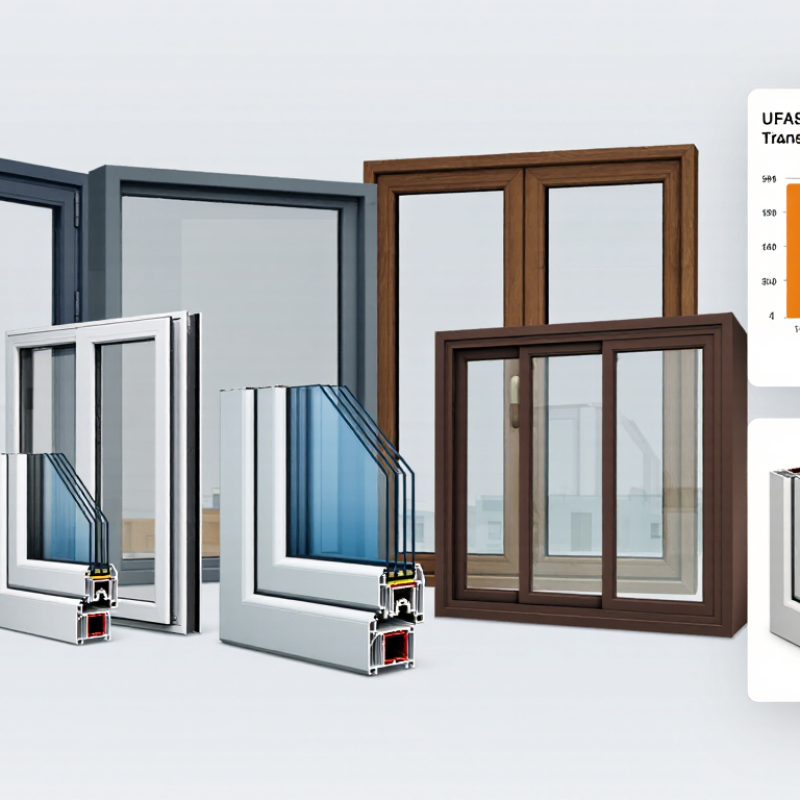
Manufactured windows are factory-assembled units made for repeatable installation in residential, commercial, and industrial buildings. Unlike site-built glazing, they arrive with tested frames, glass, seals, and operating hardware. Their controlled production can improve consistency, but factory quality does not remove installation risks.
Common types include fixed windows, casement windows, sliding windows, awning windows, and tilt-and-turn windows. Materials also vary. Vinyl offers low maintenance, aluminum supports slim profiles, wood provides a warm appearance, and composite frames balance durability with insulation.
A practical selection should consider climate, wind exposure, humidity, solar heat, and local building requirements. One design rarely fits every region.
Core components deserve close inspection. The frame supports the unit, while the sash holds movable glass. Insulating glass may use two or three panes, low-emissivity coatings, and gas-filled cavities. Spacers reduce heat transfer around the glass edge. Weather seals limit air and water leakage, while hinges, locks, rollers, and handles control operation. Factory-applied drainage paths and perimeter flashing also matter.
Small details matter.
For global purchasing, request verified performance data, installation instructions, material declarations, and test reports suited to the destination market. A window can perform well in a laboratory and fail on site through poor shimming or sealing.
That uncomfortable gap deserves attention. Specifications should be reviewed with local professionals before ordering large quantities.
How to Evaluate Window Materials, Energy Ratings, and Durability
For global buyers, manufactured windows should be judged by climate performance, not appearance alone. The U.S. Department of Energy estimates that windows can cause 25%–30% of residential heating and cooling energy use. That figure makes glass selection commercially important. In cold regions, choose a low U-factor to reduce heat loss. In hot climates, a lower solar heat gain coefficient can limit indoor heat.
Materials also shape long-term reliability. Vinyl frames resist moisture and usually need limited maintenance. Aluminum offers strength, but thermal breaks are essential in extreme climates. Fiberglass provides strong dimensional stability, although availability and cost may vary. NFRC rating data helps buyers compare U-factor, solar heat gain coefficient, visible transmittance, and air leakage under consistent procedures. Numbers matter.
Do not treat the lowest U-factor as the universal winner. That approach can create overheating, glare, or weak daylight performance. A darker room is not automatically efficient. The International Energy Agency reports that buildings represent about 30% of global energy demand, so small envelope decisions can scale across large projects. For durability, request test evidence for water penetration, wind pressure, forced entry, and repeated operation. Standards such as ISO 10077 and regional fenestration testing methods improve comparability, but they do not erase installation risks. Poor flashing can defeat an excellent window. This is where many specifications remain too optimistic.
Key Standards and Certifications for International Window Buyers
2026 Best Manufactured Windows for Global Buyers
For international buyers, certification should guide the shortlist, not decorate it. The IEA’s Buildings 2023 report states that buildings consume about 30% of global final energy. Window performance therefore affects operating costs, comfort, and carbon exposure. Ask for tested U-values, solar heat gain coefficients, air leakage, water penetration, and wind resistance. These figures must match the target climate and calculation method.
European projects commonly reference EN 14351-1, while North American specifications may require AAMA or CSA-based testing. ISO 9001 supports controlled manufacturing, but it does not prove window performance. An ISO/IEC 17025-accredited laboratory offers stronger evidence because it validates test competence. For insulated glass, request seal durability data, spacer details, and condensation resistance. A clear serial number helps trace production batches.
CE marking may apply under the European Construction Products Regulation, depending on the product and market route. Other countries may require local energy labels, safety testing, or impact resistance documentation. The IEA also reports that building-sector emissions remain a major global concern, so thermal performance deserves careful review. Still, certificates can be incomplete. I have seen attractive test sheets omit installation limits. That gap matters. A window rated for a mild coastal site may fail expectations in high wind, severe heat, or poorly drained masonry openings.
Global Purchasing: Pricing, Shipping, Installation, and Warranty Factors
2026 Best Manufactured Windows for Global Buyers
Global Purchasing: Pricing, Shipping, Installation, and Warranty Factors
For global buyers, the quoted window price is only the visible part of the budget. Ask for a line-item pro forma invoice covering glazing, frames, packaging, inland haulage, duties, and destination fees. Energy performance also changes lifetime value. The U.S. Department of Energy reports that windows can cause 25–30% of household heating and cooling energy use. Request whole-window U-values, solar heat-gain coefficients, air leakage, and applicable ISO or EN test standards, not only center-glass claims.
Shipping deserves a separate calculation. According to UNCTAD’s Review of Maritime Transport 2024, ships carry over 80% of global merchandise trade by volume. Windows need corner protection, moisture barriers, pallet limits, and documented arrival inspections. Compare FOB, CIF, and delivered-duty-paid quotations carefully. The cheapest factory offer can become expensive after port storage or damage. Photograph crates before opening. That evidence helps with claims.
Installation is not a minor service. Department of Energy guidance emphasizes sealing, flashing, drainage, and correct shimming around the opening. Budget for trained local installers, temporary weather protection, disposal, and site tolerance checks. Warranty language needs equal attention. Confirm coverage periods for frames, sealed glass, hardware, finishes, labor, and replacement freight. Ask whether coverage applies across borders and who handles diagnosis. Long warranties sound reassuring, but exclusions can be broad. A useful, imperfect rule: certification does not prove installation quality. That assumption deserves revision.
2026 Best Manufactured Windows for Global Buyers
Indicative planning ranges for standard manufactured windows, shown in USD per m².
The stacked bars combine factory pricing, international shipping and customs allowance,
and professional installation. Actual costs vary by order volume, destination, glazing,
packaging, local labor, import duties, and project specifications. Warranty figures show
common planning ranges for comparable product categories and should be confirmed in the
purchase contract.