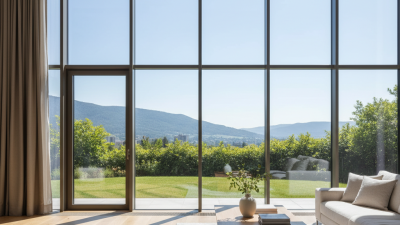
2026 Top Green Windows Trends for Global Buyers?
As the demand for energy-efficient solutions grows, "green windows" are emerging as a vital element in sustainable architecture. Experts are optimistic about the trends shaping this industry. David Green, a renowned expert in eco-friendly building materials, once stated, “Green windows are not just a trend; they’re a necessity for sustainable living.”
With an increasing focus on reducing carbon footprints, green windows offer innovative designs and materials. These windows utilize advanced technologies that provide insulation, reduce noise, and enhance natural light. They can significantly lower energy costs while supporting environmental goals. However, many buyers still find it challenging to choose the right options. Some products do not meet the expected standards for durability and efficiency.
The future of green windows looks promising but also requires critical evaluation. Buyers must consider the trade-offs in design and cost-effectiveness. Industry experts agree that awareness and education are key. Green windows can greatly impact energy savings and sustainability, but the journey to fully embracing them is ongoing.
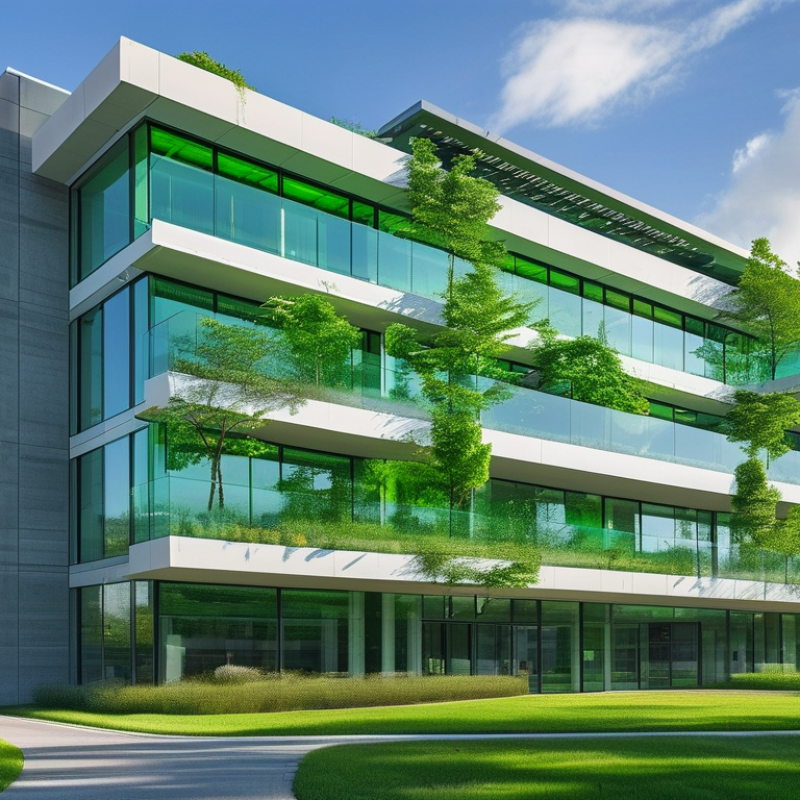
Emerging Technologies in Green Window Manufacturing for 2026
As we look towards 2026, emerging technologies in green window manufacturing are set to revolutionize the industry. One significant trend is the integration of smart glazing technologies. These windows adjust their transparency based on sunlight intensity, optimizing energy efficiency. According to the International Energy Agency, smart windows can reduce energy consumption in buildings by up to 30%. This innovation highlights the growing focus on sustainability in construction.
Another noteworthy development is the use of recycled materials in window production. Many manufacturers are adopting post-consumer glass and plastics, minimizing waste and lowering the carbon footprint. A report from the Green Building Council states that using recycled materials can cut emissions by 50% during the manufacturing process. However, challenges remain, such as ensuring the structural integrity and performance of these recycled products.
Lastly, advancements in manufacturing techniques like 3D printing are gaining traction. This technology not only streamlines production but also allows for customization of designs. It can lead to reduced material waste, yet questions persist about the long-term durability of 3D-printed windows. The potential benefits are substantial, but the industry must tread carefully to ensure reliability in performance.
Sustainable Materials: Innovations in Eco-Friendly Window Frames
Sustainable materials are paving the way for innovative eco-friendly window frames in 2026. As more consumers prioritize sustainability, manufacturers are focusing on materials that minimize environmental impact. Recycled aluminum and reclaimed wood are gaining popularity. These materials not only reduce waste but also enhance the aesthetic appeal of homes.
There are practical benefits to using eco-friendly frames. They improve energy efficiency, leading to better insulation and lower utility costs. However, it is essential to consider the longevity of these materials. Some reclaimed options might need more maintenance over time. Buyers should assess their climate and whether certain materials will withstand prolonged exposure to the elements.
Explore local suppliers who focus on sustainability. They can provide insights into the most suitable materials for your area. Conduct research on certifications that indicate environmental responsibility. This will ensure you make informed choices. Remember, the right window frames can benefit your home while supporting a greener planet.
2026 Top Green Windows Trends for Global Buyers
Energy Efficiency Trends in Window Glazing and Insulation
As the demand for energy-efficient solutions rises, window glazing and insulation are crucial. Modern windows are more than just glass. They are key players in energy conservation. Technologies like triple-pane glazing enhance insulation. This reduces heat loss significantly, promoting warmth indoors during winter.
Choosing the right materials matters. Insulated frames, for example, block heat transfer effectively. Yet, not all options meet high standards. Some manufacturers lack transparency about their products. Buyers must research to ensure they choose reliable options for their homes.
Installation also requires attention. Even the best windows will fail if not installed correctly. Gaps can lead to air leaks, increasing energy bills. Proper sealing and framing are essential. Reflecting on these factors can guide global buyers toward smarter choices in sustainable window technology.
Impact of Green Certifications on Window Purchasing Decisions
Green certifications play a crucial role in window purchasing decisions amid the growing emphasis on sustainability. Consumers today are much more informed about energy efficiency and environmental impacts. They often seek out products bearing green certifications. These labels provide assurance that windows meet specific environmental standards. For many buyers, this assurance is essential.
The impact of green certifications extends beyond consumer trust. Certified windows can significantly lower energy bills, a considerable factor in budgeting. Buyers often consider the long-term savings versus the initial investment. However, there's room for confusion. Not all certifications hold the same weight. Some buyers may struggle to differentiate between various certifications. They may feel overwhelmed by the choices available.
Incorporating green certified windows can enhance a property's resale value, attracting eco-conscious buyers. However, the journey towards choosing energy-efficient windows can be daunting. It’s vital for consumers to research and understand the certifications. This empowers them to make informed choices. The complexity can lead to missteps, as not all certifications guarantee the same quality or performance. Hence, understanding the nuances and implications of these certifications is key for global buyers.
Consumer Preferences Shaping the Future of Eco-Friendly Windows
As consumers become more environmentally conscious, their preferences greatly influence the market for eco-friendly windows. Many buyers are leaning towards materials that are both sustainable and durable. Window frames made from recycled plastics or responsibly sourced wood are gaining popularity. These choices not only reduce waste but also help in conserving natural resources. Innovative designs that increase energy efficiency are also in demand.
The push for energy-efficient windows reflects consumers' desire to reduce energy bills. Double or triple-pane glass is favored for its insulation properties. This shift has led manufacturers to rethink their strategies, often struggling with the balance between aesthetics and functionality. Additionally, buyers are increasingly interested in the life cycle of windows, wanting products that minimize environmental impact throughout their entire lifespan. Not everyone is aware of the various certifications available, leading to confusion in choices and buying decisions.
Eco-friendly windows are evolving, yet challenges remain. Some consumers may find high upfront costs a barrier. They need better education about long-term savings and environmental benefits. This disconnect indicates that while there is a shift towards green windows, awareness and understanding must catch up to consumer demand. Manufacturers, therefore, have a responsibility to provide clearer information about their products.
2026 Top Green Windows Trends for Global Buyers
| Trend |
Description |
Percentage of Consumers Preferring This Trend |
Projected Growth Rate (2026) |
| Energy Efficiency |
Windows designed to minimize heat loss and gain. |
78% |
15% |
| Sustainable Materials |
Use of recycled and responsibly sourced materials. |
65% |
20% |
| Smart Windows |
Windows that adjust opacity based on sunlight. |
55% |
25% |
| Noise Reduction |
Windows designed to reduce outside noise infiltration. |
70% |
10% |
| Low Maintenance |
Windows that require minimal upkeep and cleaning. |
62% |
18% |