Blog.

Blog2024-04-08T12:48:33+02:00

2026 Top Trends in Architecture with Large Glass Windows?

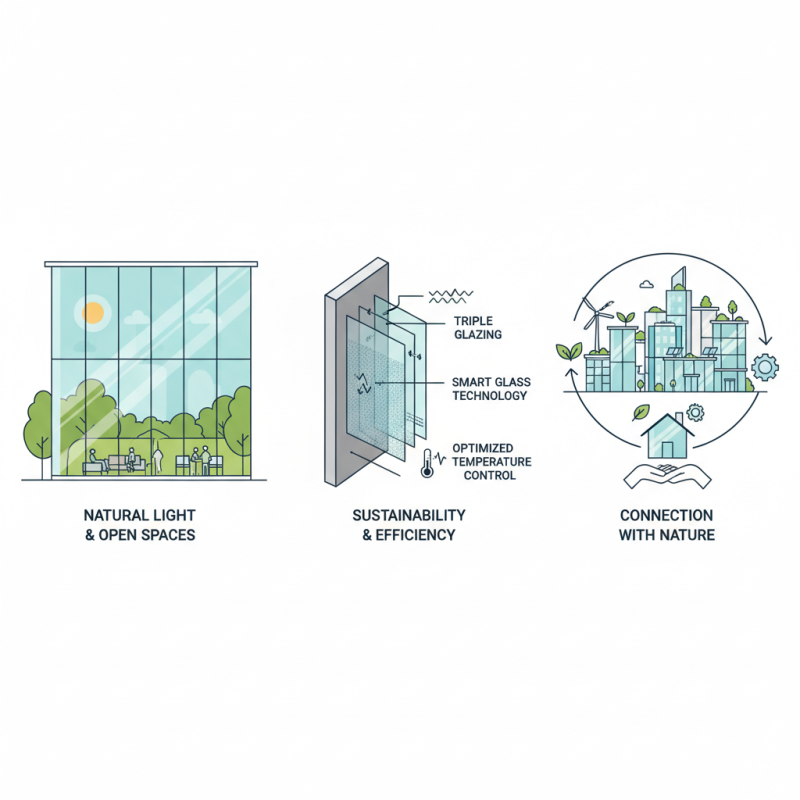
In recent years, architecture has evolved to prioritize natural light and open spaces. Large glass windows are at the forefront of this trend. They transform ordinary buildings into vibrant, inviting structures. These expansive windows blur the lines between indoor and outdoor environments. They allow sunlight to flood in, creating warm and welcoming interiors.

However, there are challenges to consider. While large glass windows offer stunning views, they can also lead to energy loss. In some climates, excessive sunlight can overheat spaces. Architects must balance aesthetics with functionality. Innovative solutions, such as triple glazing, address these issues. Smart glass technology could further optimize temperature control.

As we look ahead to 2026, the role of large glass windows will be crucial. They will shape how we interact with our surroundings. This design choice encourages a connection with nature. Yet, continuous reflection on sustainability and efficiency is essential. The future demands a responsible approach to architectural beauty.
2026 Top Trends in Architecture with Large Glass Windows?

Future Demand for Large Glass Windows in Sustainable Architecture

The future demand for large glass windows in sustainable architecture is growing rapidly. According to a report by the World Green Building Council, buildings with large glass facades can lead to a 30% reduction in energy consumption. This is due to increased natural light, which reduces reliance on artificial lighting. However, not all glass is equal. It’s crucial to choose energy-efficient glazing options to maximize benefits.

Large glass windows can enhance aesthetic appeal. They create a seamless connection between indoor and outdoor spaces. This feature can improve occupants' well-being but often comes with challenges. For instance, excessive heat gain can lead to uncomfortable indoor environments. Proper shading techniques and window placement are essential strategies to combat this issue.

Tips for success:
1. Utilize low-emissivity glass to improve insulation.
2. Consider window treatments to manage heat and light.
3. Conduct a thorough energy analysis before installation to assess potential impacts.

Balancing aesthetics with function is key. Larger windows can mean higher costs and potential structural changes. Designers must reflect on these aspects to create truly sustainable buildings. The dialogue between beauty and practicality must be continuous in architectural practices.

2026 Top Trends in Architecture with Large Glass Windows

Trend Description Projected Demand Growth (%) Sustainability Impact Rating (1-5)
Increased Use of Smart Glass Integration of technology to control light and heat efficiency. 35 5
Biophilic Design Incorporating natural elements and views into architectural design. 30 5
Energy-Efficient Glazing Use of advanced glazing solutions to enhance energy performance. 40 4
Indoor-Outdoor Fluidity Designs that connect indoor spaces with outdoor environments. 25 5
Sustainable Materials Use of eco-friendly materials in large glass window frames. 28 5

Impact of Large Glass Windows on Energy Efficiency and HVAC Systems

2026 Top Trends in Architecture with Large Glass Windows?

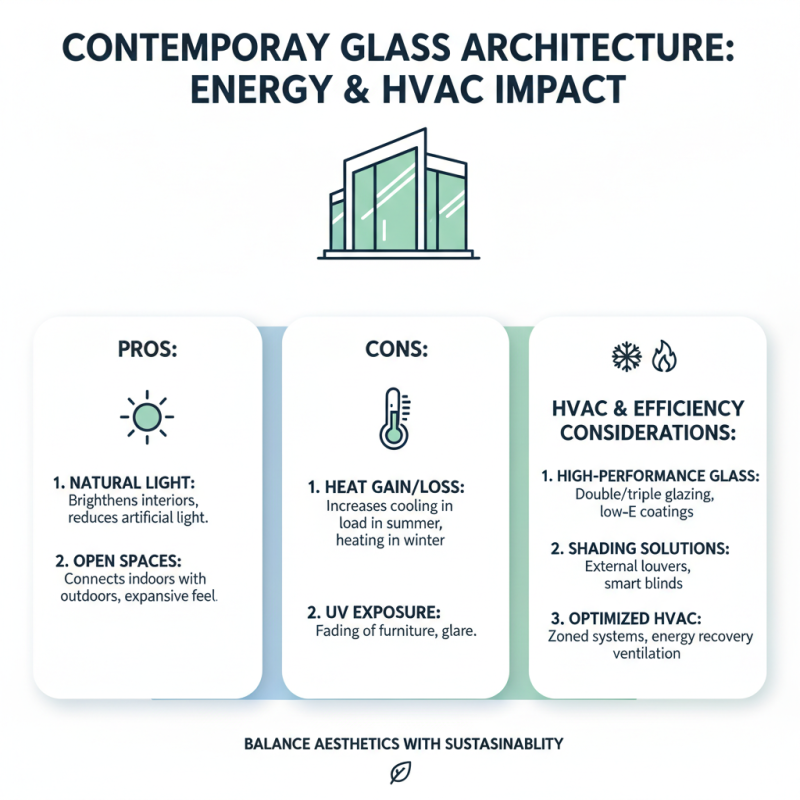
Large glass windows are becoming increasingly popular in contemporary architecture. They allow natural light to flood interiors, creating open and inviting spaces. However, there are significant implications for energy efficiency and HVAC systems that need to be considered.

Buildings with extensive glazing can lose heat in winter and gain heat in summer. According to a 2021 report from the International Energy Agency, energy consumption in buildings could be reduced by 30% with better window technologies. Properly designed systems are essential. Oversized windows can lead to increased reliance on heating and cooling systems, raising energy costs.

Moreover, large glass windows can challenge HVAC systems to maintain comfortable temperatures. This could lead to overworked systems and higher maintenance costs. Many architects are now exploring dynamic glazing and thermal performance strategies. These solutions aim to balance aesthetics with functionality. There is still room for improvement in finding innovative materials and designs that enhance energy efficiency without sacrificing style.

Design Innovations: Integrating Smart Technology with Glass Facades

The integration of smart technology with glass facades is reshaping modern architecture. This trend is rapidly evolving. According to a recent industry report, smart glass sales are projected to reach $5.75 billion by 2026. This reflects a rising demand for energy-efficient buildings.

Architects are now embracing dynamic glass solutions. These materials can adjust their opacity based on sunlight. This capability enhances comfort for occupants while reducing energy costs. In residential buildings, large glass windows flood interiors with natural light. However, managing heat gain can be a challenge. It raises questions about sustainability.

Moreover, smart technology enables more than just control over light. It can seamlessly integrate heating and cooling systems. Sensors monitor temperature and occupancy, optimizing energy usage. Yet, reliance on technology can create vulnerabilities. System failures might lead to discomfort or increased costs. Designers must balance innovation with practical considerations.

2026 Trends in Architecture with Large Glass Windows

Aesthetics vs. Functionality: The Role of Large Windows in Modern Design

2026 Top Trends in Architecture with Large Glass Windows?

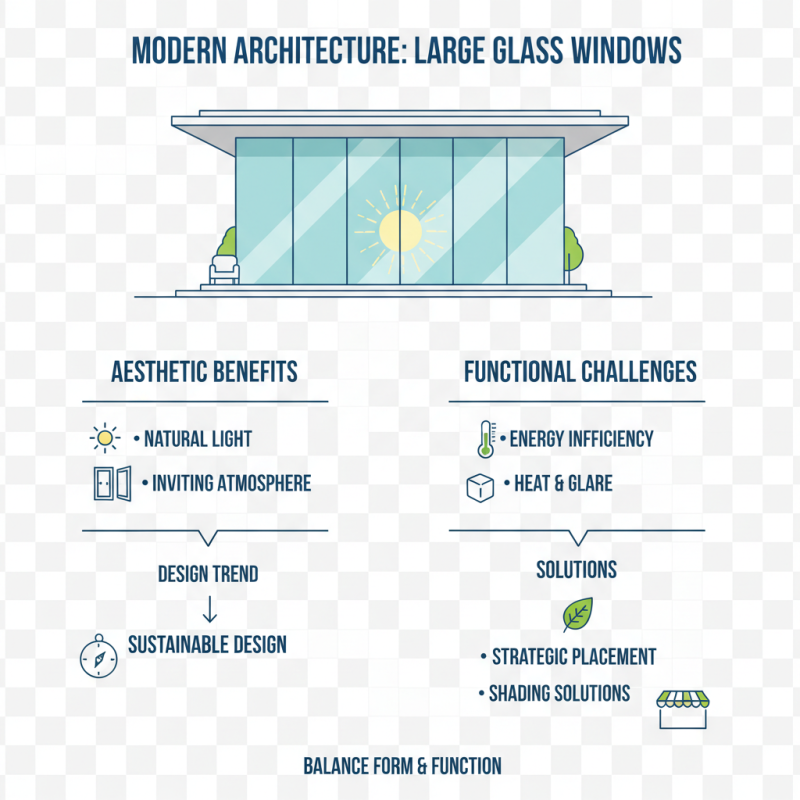
Large glass windows are becoming a defining feature in modern architecture. They allow natural light to flood into spaces, creating an inviting atmosphere. However, this aesthetic appeal must be balanced with functionality. Large windows can lead to energy inefficiencies that need addressing. Glare and heat gain are common issues. Thoughtful placement and shading solutions must be considered.

The integration of these windows changes the dynamics of the interior. Open-plan living becomes more connected to nature. Yet, privacy can become a concern with such expansive glass. Designers must navigate the challenge of maintaining personal space while enhancing views. Are there solutions that ensure beauty without compromising comfort?

Architects often face dilemmas when choosing window sizes. Oversized glass can dominate a facade, altering proportions. This choice may inspire awe but may also feel overwhelming. There’s room for reflection on how these windows affect overall balance. Each project poses unique challenges that require a careful response. Striking a harmony between aesthetics and practicality is crucial in contemporary design.

Building Codes and Regulations Shaping Large Glass Window Usage in 2026

In 2026, large glass windows are becoming increasingly popular in architectural design. However, building codes and regulations are evolving to address safety, energy efficiency, and structural integrity. For instance, many regions are enforcing stricter standards for window installations due to climate concerns. According to the International Energy Agency, buildings are responsible for 36% of global energy use. This data drives policymakers to ensure that large glass windows meet energy performance benchmarks.

Manufacturers must balance aesthetics with compliance. The use of high-performance glazing is often mandated by local regulations. This enhances insulation and minimizes heat loss. Furthermore, more regulations are introducing mandates for shatter-resistant materials, especially in high-rise constructions. As architects embrace this trend, they must navigate these regulations carefully.

Tips: Always stay updated with local building codes. Collaborate closely with engineers and local authorities. Understand the implications of non-compliance. Engaging in workshops about energy-efficient designs can also provide vital insights. Ultimately, the growing trend of large glass windows is not without challenges. Balancing beauty with functionality requires ongoing vigilance and adaptation.