What Are the Benefits of Aluminum Doors and Windows?
In today’s construction industry, aluminum doors and windows are becoming increasingly popular. They offer numerous advantages over traditional materials. John Smith, a leading expert in architectural design, states, “Aluminum doors and windows combine durability with aesthetic appeal.” This quote highlights the key appeal of these materials.
One benefit of aluminum doors and windows is their resistance to weathering. They don’t warp or expand with moisture, which is crucial in fluctuating climates. Moreover, they require minimal maintenance. Some homeowners might hesitate, fearing they can look cold or industrial. However, modern designs have made them stylish and versatile.
Energy efficiency is another significant advantage. Properly insulated aluminum frames can minimize heat loss. This feature can lead to lower energy bills. However, not all aluminum doors and windows are created equal. Buyers should research and choose high-quality options. Inadequate insulation can still lead to a chilly home environment. Overall, understanding the benefits of aluminum doors and windows can guide homeowners towards better choices.
Benefits of Aluminum Doors and Windows: An Overview
Aluminum doors and windows offer numerous advantages that make them a popular choice for homeowners and builders alike. Their lightweight nature makes installation easier, reducing labor costs. Additionally, aluminum resists harsh weather conditions, meaning less maintenance over time. You won’t have to worry about warping or rotting, unlike wooden frames. This durability also contributes to their longer lifespan.
Another key benefit is energy efficiency. Modern aluminum windows often come with thermal breaks that help regulate indoor temperatures. This means your heating and cooling systems won’t work as hard, potentially lowering energy bills. However, if not handled properly, condensation may occur. Homeowners should be mindful of proper ventilation to mitigate any moisture issues.
Additionally, the aesthetic appeal of aluminum doors and windows cannot be overlooked. They come in various finishes and colors, allowing for customization that complements any architectural style. Yet, it’s essential to consider personal preferences. Not everyone may appreciate the sleek, modern look of aluminum. Balancing design choices with functionality is crucial for achieving the desired outcome in your space.
Durability and Longevity of Aluminum in Architectural Applications
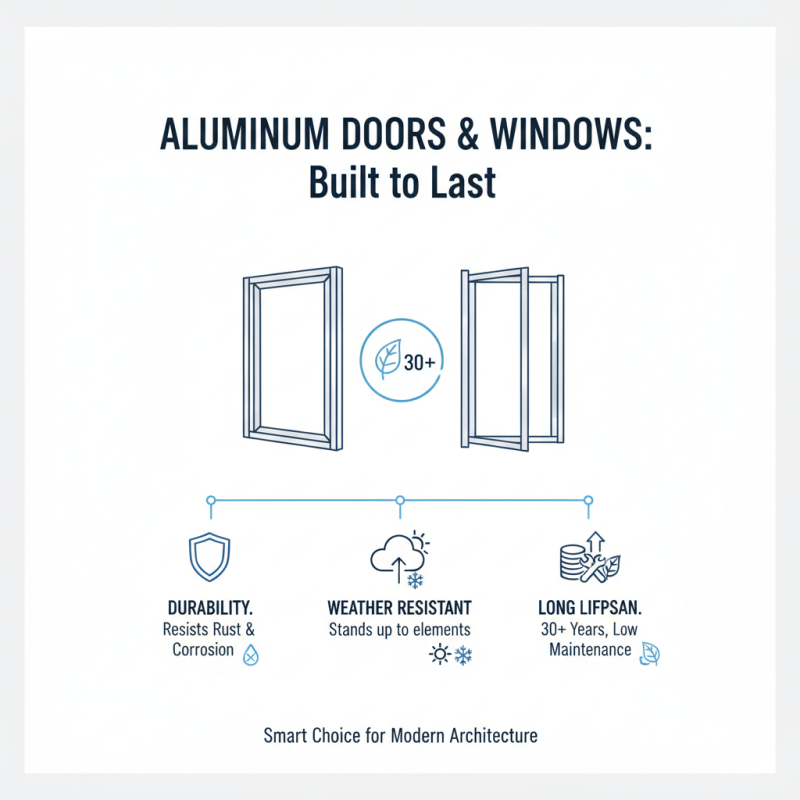
Aluminum doors and windows are increasingly popular in architectural designs. One of their key advantages is durability. According to industry studies, aluminum can last over 30 years with minimal maintenance. It resists rust, corrosion, and adverse weather conditions better than many materials. This longevity can translate to lower replacement costs over time.
However, some architects raise concerns about thermal performance. Although modern aluminum can be thermally broken to improve insulation, earlier models didn't perform well. An industry report noted that poorly insulated aluminum structures could lead to increased energy bills. It's a detail that shouldn't be overlooked in varying climates.
Additionally, the malleability of aluminum allows for creative designs. Complex shapes can enhance aesthetic appeal. A 2022 survey found that 75% of architects prefer aluminum for its versatility. But, despite its advantages, balancing durability with design and efficiency remains a challenge in aluminum architecture. As with any material, there are trade-offs to consider in every project.
Energy Efficiency: How Aluminum Enhances Insulation
Aluminum doors and windows are becoming popular for their energy efficiency. They are designed to provide excellent thermal insulation. This means they help keep homes warm in winter and cool in summer. The insulation properties of aluminum significantly reduce energy costs. People often notice a dip in their heating bills after installation.
The tight seals found in aluminum frames prevent drafts. Even small gaps can lead to energy loss. This is a common concern for homeowners. While aluminum is durable, it can be prone to heat transfer. Thoughtful design can minimize this issue. Double or triple glazing increases insulation quality. Choosing the right thermal breaks can enhance performance too.
Overall, aluminum's advantages are clear. They are lightweight, strong, and long-lasting. However, not all installations are perfect. Proper maintenance is necessary to ensure longevity. Homeowners should regularly check seals and frames. This ensures maximum efficiency throughout the years.
What Are the Benefits of Aluminum Doors and Windows? - Energy Efficiency: How Aluminum Enhances Insulation
| Benefit |
Description |
Energy Efficiency Rating |
| Thermal Insulation |
Aluminum doors and windows utilize insulated frames, which significantly reduce heat transfer. |
Up to 30% more efficient |
| Durability |
Resistant to rust, corrosion, and warping, ensuring long-term performance. |
N/A |
| Low Maintenance |
Requires minimal maintenance compared to wood and vinyl. |
N/A |
| Aesthetic Flexibility |
Available in a variety of colors and finishes to match any architectural style. |
N/A |
| Recyclable |
Aluminum is 100% recyclable, making it an environmentally friendly option. |
N/A |
Aesthetic Versatility: Design Options with Aluminum Frames
Designing with aluminum frames offers remarkable aesthetic versatility. Homeowners can choose from a wide array of colors and finishes. This allows for seamless integration with various architectural styles. Sleek, modern homes benefit from the minimalist appeal of aluminum. On the other hand, traditional designs can enhance their charm with textured finishes.
Aluminum frames also lend themselves well to customization. Unique shapes can be crafted to meet specific design needs. This can be vital for projects requiring non-standard sizes. However, while there are endless possibilities, choosing the right combination can overwhelm some. The risk lies in picking styles that may clash with a home's existing decor. Careful consideration is key.
Additionally, the lightweight nature of aluminum facilitates grand designs. Large windows and doors become achievable without compromising structural integrity. Yet, this strength also invites challenges. Homeowners must balance strength with energy efficiency. Finding the right insulation measures when using aluminum is crucial. It's tempting to prioritize aesthetics, but function should not be neglected.
Low Maintenance Requirements for Aluminum Doors and Windows
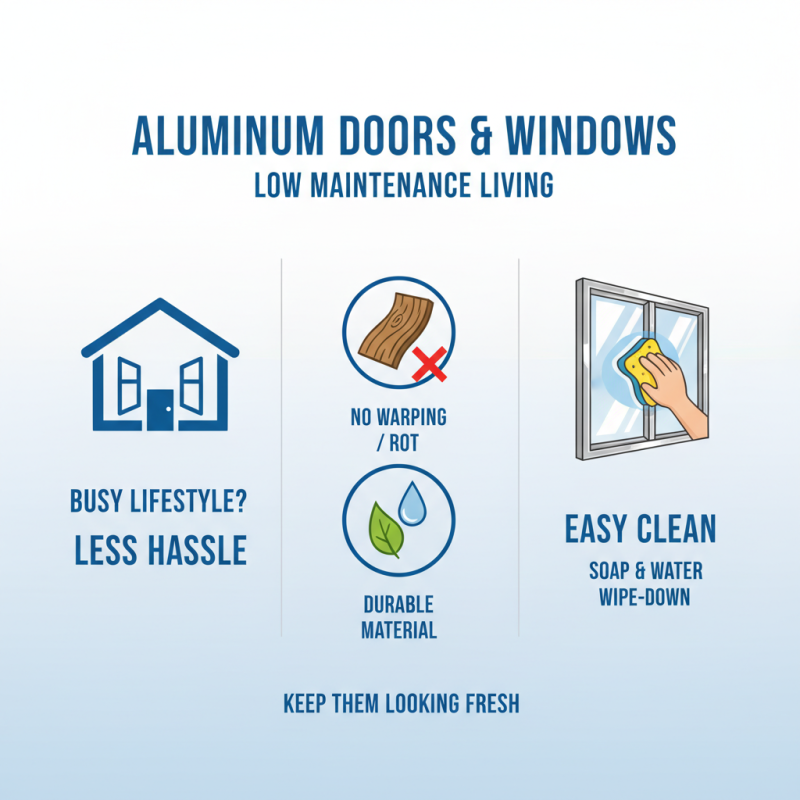
Aluminum doors and windows stand out for their low maintenance requirements. Homeowners appreciate this feature, especially those with busy lives. Unlike wood, aluminum does not warp or rot over time. This means less hassle for upkeep. A simple wipe-down with soap and water keeps them looking fresh.
Additionally, aluminum does not require painting. This aspect saves both time and money. Some people worry about scratches or dents. While they are durable, minor damages can occur. Small scratches may need attention. However, most imperfections do not affect their performance. Regular checks can help catch any issues early on.
Overall, the ease of care is a significant advantage. This benefit allows homeowners to enjoy their spaces without constant worry. However, it’s essential to remain vigilant. Overlooked maintenance can lead to problems in the long run. Balancing convenience and care is crucial for lasting beauty and functionality.