Blog.

Blog2024-04-08T12:48:33+02:00

What Are the Best Collapsible Gazebo Types in 2026?

Outdoor living has become a substantial market, but broad industry figures do not tell buyers which shelter will work in their yard. Grand View Research valued the global outdoor furniture market at US$50.79 billion in 2023 and projected 5.6% annual growth through 2030. The U.S. Bureau of Economic Analysis also reported that outdoor recreation generated US$1.2 trillion in economic output in 2023. These figures show the scale of outdoor activity; they do not measure Collapsible Gazebo sales directly.

That distinction matters. A folding shelter must suit its actual job: weekend shade, market-day cover, or a more frequent gathering space. This guide compares pop-up canopies, compact folding gazebos, and heavier commercial-style models for setup effort, frame materials, roof coverage, portability, and replacement parts. Look closely at joints and feet. Those small details can affect stability and repairability more than a flashy product photo suggests. Check the maker’s wind guidance, too; no portable shelter should be treated as storm protection. No single frame wins every test. A lighter model may be easier to carry, while a sturdier one can take more effort to transport and assemble. Price alone is a poor shortcut. Specifications vary, and advertised coverage may not reflect usable shade once the sun shifts. The comparisons ahead focus on practical trade-offs, while recognizing that real-world performance depends on setup, upkeep, and conditions. One detail is easy to miss: convenience still needs a little planning.
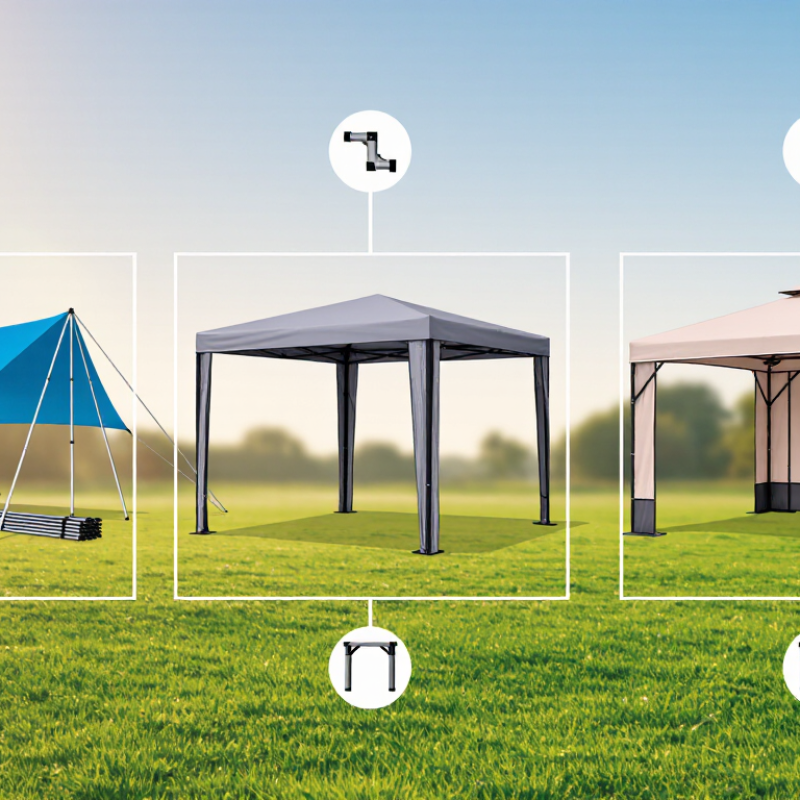
What Are the Best Collapsible Gazebo Types in 2026?

How Collapsible Gazebos Work and What Defines Their Design

Collapsible gazebos use a folding frame to support a fabric roof without permanent posts. Most have linked metal bars that expand when the frame is pulled open. Sliding hubs and locking pins hold the structure in position. Telescoping legs adjust the height, while the canopy attaches with sleeves, straps, or hook-and-loop fasteners. Setup is easier with two people; one person may find the frame awkward to control.

Design differences affect stability, coverage, and portability. A straight-leg frame is simple to pack, while angled legs can provide a broader footprint. Steel frames often feel sturdy but weigh more. Aluminum frames are lighter, though their strength depends on tube thickness and joint quality. Roof shape matters, too: a peaked canopy can shed rain better than a flat one, but it still needs proper tension and drainage. Small details count. Check that locks engage fully and seams show no gaps. I once underestimated how much ground slope mattered; a level-looking lawn was not quite level.

Tips: Set the gazebo on firm, level ground, then secure each leg using suitable weights or anchors. Keep the canopy clear of sharp branches, and follow the maker’s guidance for wind and rain. Before packing, dry the fabric and inspect joints for looseness or bent parts. These steps take a few extra minutes. They can prevent frustrating wear.

The Main Types of Collapsible Gazebos Available in 2026

Collapsible gazebos mainly come in pop-up, telescopic-frame, and more robust event-style designs. Pop-up models use linked scissor frames that open quickly, often with two people. They suit market stalls, garden gatherings, and short outdoor events. Setup is simple. But thin frames may flex, so check joint quality and secure the legs.

Telescopic designs use sliding or adjustable supports to change the canopy height. This helps on uneven patios or when extra headroom matters. Some use lighter metal frames, which are easier to carry but may feel less rigid. Look for locking pins that engage cleanly and fabric seams that lie flat. Small details matter.

Heavier collapsible gazebos often pair reinforced steel or aluminum frames with thicker canopy fabric. They can be more stable for repeated use, though heavier to transport. Side panels add shade and privacy, but can catch gusts like a sail. No collapsible type is automatically safe in strong wind; follow the maker’s setup guidance and use suitable weights or anchors. Still, product labels can be vague. Compare packed weight, frame thickness, replacement-part availability, and the space needed for storage before choosing.

How Frames, Canopies, and Sizes Affect Performance

A collapsible gazebo performs well when its frame, canopy, and footprint suit the job. Steel frames often feel steadier and handle repeated setup, but they are heavier to carry. Aluminum is easier to lift and resist corrosion, though thin tubing can flex under pressure. Check the joints, not just the legs: loose sliders and narrow connectors may wobble after frequent use. A small shake test can reveal more than a polished product photo. That matters.

Canopy fabric affects shade, rain handling, and upkeep. A tightly woven, coated canopy can block more sun and shed light rain, but seams and fit still matter. Water may pool on a sagging roof. Keep the fabric stretched and follow the maker’s setup guidance; no pop-up shelter should be treated as a permanent storm structure. Size is a trade-off, too. A compact 8-by-8-foot model can suit a market stall or patio table, while a larger footprint gives guests room to move but needs more carrying space and secure anchoring. Measure the setup area, including clearance for legs and doors. I might choose the bigger one for a gathering, then regret hauling it alone. Check packed weight and frame locks before deciding.

Which Gazebo Types Suit Different Uses and Weather Conditions

A pop-up gazebo suits brief shade at markets, picnics, and backyard gatherings. Its folding frame opens quickly, and a polyester canopy is easy to carry. Look for reinforced joints and adjustable legs on uneven grass. Setup is simple. But lightweight frames can shift in gusts, so secure each leg with suitable weights or stakes.

For frequent use, a collapsible steel-frame gazebo often feels steadier than a very light model. Aluminum frames are easier to move and resist rust, though thin tubing may flex. Check the frame thickness, roof fabric, and anchoring instructions rather than relying on appearance alone. Side panels help block drizzle and low sun, but they can catch wind like a sail. Remove them when gusts pick up.

Soft-top models work well for seasonal shade, while hardtop folding designs can offer better rain protection if their panels and frame are rated for it. No portable gazebo should be assumed safe in severe wind or heavy snow. Weather ratings vary. I would also check how water drains; a shallow roof can collect puddles, even when the fabric seems sturdy. That detail is easy to overlook.

What Are the Best Collapsible Gazebo Types in 2026? - Which Gazebo Types Suit Different Uses and Weather Conditions

Collapsible gazebo type Typical configuration Best suited to Weather suitability Key limitations and setup notes
Straight-leg pop-up canopy Scissor-frame design; commonly available in footprints such as 10 × 10 ft (about 3 × 3 m); steel or aluminum frame. Markets, parties, garden gatherings, and general-purpose shade where a square covered area is useful. Good for sunny, calm conditions. A water-resistant canopy may handle light rain, depending on its fabric and construction. Secure every leg with suitable weights or stakes. Do not use in strong or gusty winds, and do not allow water to pool on the roof.
Slant-leg pop-up canopy Angled legs create a smaller footprint at the ground than the roof; often designed to be relatively light and portable. Casual backyard use, short outings, and situations where low packed weight or a compact base matters. Best in fair weather and light shade use. Wind and rain performance depends on the specific frame, cover, and anchoring system. The usable space beneath the canopy can be smaller than the roof dimensions suggest. Check the leg spacing before placing tables or equipment.
Heavy-duty folding-frame canopy Reinforced folding frame with heavier components; commonly offered in event-sized footprints such as 10 × 10 ft or 10 × 20 ft. Frequent setup, organized outdoor events, and users who prioritize a sturdier frame over minimum carrying weight. Generally more stable than lightweight designs when correctly assembled and anchored, but it is not a substitute for a permanent structure in severe weather. Usually heavier to transport. Follow the manufacturer’s wind guidance, use proper anchors, and take the canopy down if conditions exceed its stated limits.
Vented-roof pop-up canopy A roof with an upper vent or layered opening that lets some warm air escape while retaining the main covered area. Warm-weather gatherings and outdoor work where improved airflow is desirable. Useful in hot, calm weather. The vent may reduce trapped heat; actual shade and rain protection depend on the roof design. An open vent does not make a canopy safe in high winds. Check that the vent design directs rain away from the occupied area.
Canopy with detachable sidewalls A folding roof frame with removable fabric panels on some or all sides; panels may include doors or windows. Events needing privacy, a windbreak in mild conditions, or temporary separation from nearby activity. Sidewalls can block light breezes and some wind-driven rain, but enclosing the sides can increase wind load on the structure. Use panels only as directed and remove them if wind rises. This type is not a weatherproof room or a safe shelter during storms.
Screened pop-up canopy A folding canopy with mesh walls, often with zippered entry panels, to create a more enclosed shaded area. Picnics, camping, and outdoor meals where airflow and a barrier against many flying insects are useful. Best in dry or mildly breezy conditions. Mesh allows airflow but does not provide a solid barrier against wind or rain. Mesh screening does not guarantee protection from all insects. Keep clear of open flames and follow the product’s ventilation and safety instructions.
Compact personal pop-up shelter Small, lightweight folding shelter for one or a few people; designs and footprints vary considerably. Personal shade at the beach, children’s activities, or short stops where fast packing and carrying are priorities. Suitable for shade in calm conditions. Beach and open-ground locations can be especially exposed to gusts. Use anchors appropriate to the surface, such as sand anchors on suitable beaches. Do not leave it unattended in changing weather.

Weather and safety note: Wind and rain capability varies by model, fabric, frame, anchoring, and setup. Check the product’s instructions and stated limits; secure the structure on every leg, prevent roof water from pooling, and take it down when conditions become unsafe. A collapsible gazebo is temporary shade, not storm shelter.

How to Choose the Best Collapsible Gazebo Type in 2026

Choosing a collapsible gazebo starts with where and how often you will use it. A pop-up scissor-frame model opens quickly and folds into a carry bag, making it useful for markets, gardens, and short trips. Lightweight aluminum frames are easier to carry, while steel frames often feel steadier but add weight. Check the frame joints, locking pins, and replacement-part availability; these details matter after repeated setup. That matters. Measure the packed length, too, not just the canopy footprint.

Match the roof and frame to local conditions, rather than choosing by appearance. A vented roof can ease heat buildup. Coated fabric may handle brief showers, but a portable canopy is not a storm shelter. Ground anchors and guy lines can improve stability on suitable ground; follow the setup instructions and take the canopy down when winds rise. Sidewalls offer extra shade and privacy, though they can catch wind. For uneven lawns, check for adjustable legs and avoid forcing the frame into position. Not always. A slightly heavier model may be the more practical choice if it stays stable and gets used often.