What Are the Best Ready Made Windows in 2026?
In 2026, choosing ready made windows is less about finding a universal winner and more about matching a product to your home. A window that suits a sheltered new build may disappoint in an exposed, draughty room. Frame material, glazing, dimensions, and installation all matter.
“A building is a system,” says Dr. Joseph Lstiburek, a building scientist known for his work on building performance. That idea applies to window shopping: glass, frame, seals, and wall opening work together. A low advertised price can look appealing, but the final cost may change once delivery, fitting, and finishing are included.
Look closely at the details. Check the stated thermal and acoustic ratings, the available sizes, and what comes with the product. A north-facing room may benefit from different glazing choices than a sunny living room. A busy street brings another concern: noise. Fit matters. Even a well-rated window can underperform if the opening is measured poorly or installation is rushed.
This guide compares ready made windows by performance, practical options, and value, while noting where specifications vary between brands. Some comparisons are imperfect; product labels do not always make like-for-like choices easy. Treat the shortlist as a starting point, then verify measurements and product details with the supplier before buying.
What Ready-Made Windows Are and How They Differ from Custom Units
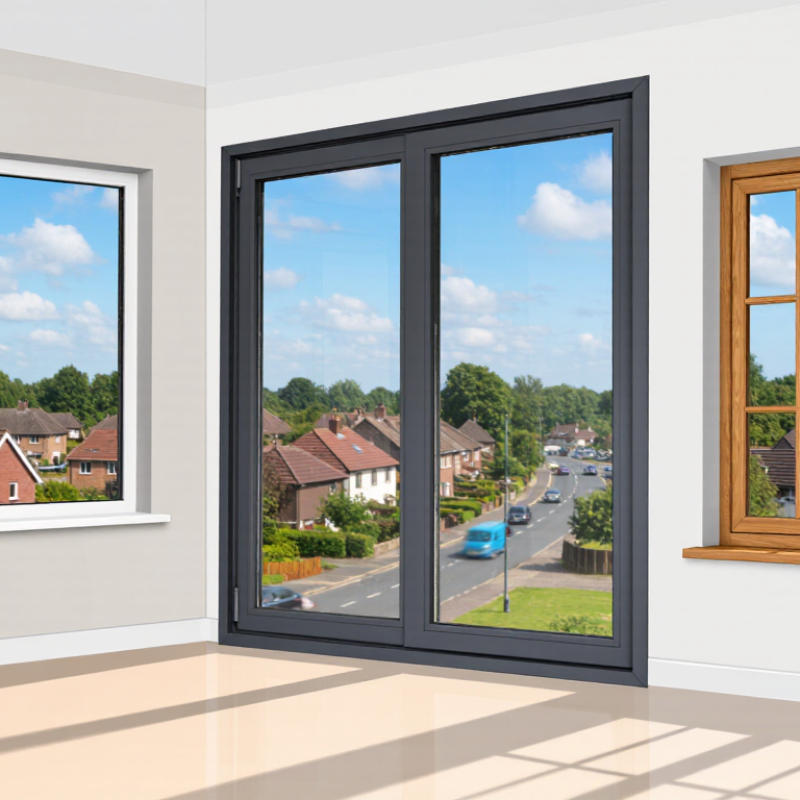
Ready-made windows are built in common dimensions and configurations, then sold as stocked units or through short production runs. They are designed to fit typical openings, not every opening. You may find familiar choices such as sliding, single-hung, or casement styles, with standard frame colors and glazing options. Measure the rough opening, not just the old sash. A tape measure, level, and a careful check for square can reveal problems before purchase.
Custom windows are made to specific opening dimensions or design requirements. They can suit unusual shapes, deep frames, or a renovation where preserving a particular sightline matters. That flexibility usually brings a longer lead time and a higher price. Ready-made units can be quicker to source, but the opening may need adjustment—or the window may not fit at all. Measure twice. It is easy to assume an older opening is square.
For either type, compare the full specifications: frame material, glass performance, operating style, and installation details. A well-made unit can still leak air or water if flashing and sealing are poor. Check the manufacturer’s installation instructions and ask a qualified installer to assess uncertain openings. Standard sizes are convenient, not universally convenient. That distinction is worth keeping in mind when choosing a window for a specific room.
What Are the Best Ready-Made Windows in 2026?
Ready-made windows are manufactured in standard sizes, while custom units are made to fit specific measurements. The chart compares the approximate glass-area footprint of four commonly listed nominal stock sizes. Stock availability and actual unit dimensions vary by supplier; measure the opening and check product specifications before buying.
Area is calculated from the nominal width and height shown. These examples illustrate standard-size options, not a universal stock-size list.
Common Ready-Made Window Types and Frame Materials in 2026
Ready-made windows commonly come as double-hung, sliding, casement, and fixed units. Double-hung sashes move vertically, making them practical for many bedrooms. Sliders open sideways and suit wide openings, though their tracks need regular cleaning. Casement windows crank outward and can catch breezes well. Fixed units do not open. They often bring in more daylight, but offer no ventilation.
Frame materials affect comfort, maintenance, and price. Vinyl resists moisture and needs little upkeep, while fiberglass is stable through temperature changes. Wood offers a warm interior finish but needs periodic care. Aluminum is strong and slim, though it can conduct heat unless thermally improved.
The U.S. Department of Energy estimates that windows account for 25–30% of residential heating and cooling energy use; actual results vary by climate, installation, and the home itself.
Check the National Fenestration Rating Council label for U-factor and solar heat gain coefficient, not just the frame material. A low U-factor limits heat transfer, but the best balance depends on local weather and orientation.
It is easy to overfocus on appearance. That trade-off deserves a second look.
How to Compare Ready-Made Windows for Performance and Value
Ready-made windows are easiest to compare when every quote covers the same size, glazing, frame, and installation scope. Measure each opening in several places; older frames are not always square. A small sizing error can turn an attractive price into extra trimming, gaps, or delays. Check whether the quote includes removal, flashing, sealing, and disposal. These details affect both cost and performance.
The U.S. Department of Energy estimates that windows account for about 25–30% of residential heating and cooling energy use (Energy Saver, “Update or Replace Windows”). That figure makes ratings worth checking, but it is not a promise of equal savings in every home. Compare NFRC-certified U-factor and solar heat gain coefficient (SHGC) ratings for your climate and room exposure. Lower U-factor generally reduces heat transfer; SHGC needs balancing, since winter sun can help in cold regions but increase summer cooling loads. A lower number is not always better.
Not always. Compare installed cost against the expected service life, not just the sticker price. Ask for the same written specifications from each supplier, including glass package, frame material, and warranty terms. NFRC labels provide standardized performance ratings, while air leakage and installation details may need separate confirmation. For a windy room, inspect seals and ask how the unit will be anchored. I would hesitate to rank windows by one rating alone; comfort also depends on the existing wall and the quality of the fit.
Which Ready-Made Window Options Stand Out in 2026
Ready-made windows stand out in 2026 when their standard sizes suit the opening and their ratings suit the climate. Vinyl models are often budget-friendly and need little upkeep. Fiberglass frames can feel sturdier through temperature swings, while wood interiors offer a warmer finish but need more care. Double-pane glass with low-emissivity coating is a practical upgrade in many homes. The U.S. Department of Energy estimates that windows account for 25–30% of residential heating and cooling energy use. That figure makes glass performance worth checking, not just frame style. Still, a showroom sample can make any option look simpler than installation really is.
Tips: Measure the frame opening in several places, and use the smallest measurement when checking stock sizes. Compare certified National Fenestration Rating Council labels. Lower U-factor generally means less heat transfer; solar heat gain needs vary by climate and window direction. Ask what the warranty covers.
A ready-made unit may cost less and arrive sooner than a custom one, but a poor fit can leave drafts around the edges. Check that the opening is square, and budget for proper sealing. Small details matter: a cold corner beside the sill is hard to ignore.
How to Choose the Right Size, Style, and Installation Method
Ready-made windows can save time, but the right fit begins with careful measuring. Measure the opening at the top, middle, and bottom, then compare the smallest width and height with the manufacturer’s sizing instructions. Measure twice. A listed window size may not match the exact frame dimensions, so leave room for the required installation clearance. If the opening is out of square, note the difference before ordering; a standard window may not solve it neatly.
Choose a style that suits how the room is used. A sliding sash can work well where outdoor space is limited, while a casement window may offer a wider opening for ventilation. Consider the direction the window faces, too. Strong afternoon sun can make a room noticeably warmer, so glazing and energy-performance details deserve attention. The most attractive style is not always the easiest to clean or operate.
Installation depends on the condition of the existing frame. An insert installation can preserve sound trim, but it may reduce the glass area slightly. A full-frame replacement exposes more of the opening and allows inspection for dampness or decay. No perfect shortcut. DIY installation requires precise leveling, sealing, and flashing; small gaps can invite drafts or water. If the opening shows damage, or the fit remains uncertain, ask a qualified installer to assess it before purchasing.