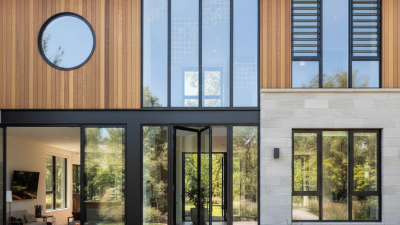
How to Choose the Best Green Windows for Energy Efficiency in 2025
As the demand for energy-efficient solutions continues to rise, selecting the best green windows has become a critical consideration for homeowners and builders alike. According to the U.S. Department of Energy, windows account for about 25-30% of residential heating and cooling energy use. By investing in green windows—those that enhance energy efficiency and reduce environmental impact—homeowners can significantly lower their energy bills while contributing to sustainability efforts.
John Smith, a noted expert in sustainable building practices, emphasizes the importance of choosing the right windows for energy efficiency, stating, "The right green windows not only reduce energy consumption but also improve comfort and indoor air quality." This insight speaks to the growing trend of integrating energy-efficient technologies into residential construction. Industry reports indicate that by 2025, green windows are expected to dominate the market, driven by advances in materials and technology that allow for better insulation and lower carbon footprints.
When considering green windows, factors such as frame material, glazing options, and energy ratings should all be taken into account. By evaluating these components, consumers can make informed decisions that align with their sustainability goals, while also enhancing the value and performance of their homes in an increasingly eco-conscious marketplace.
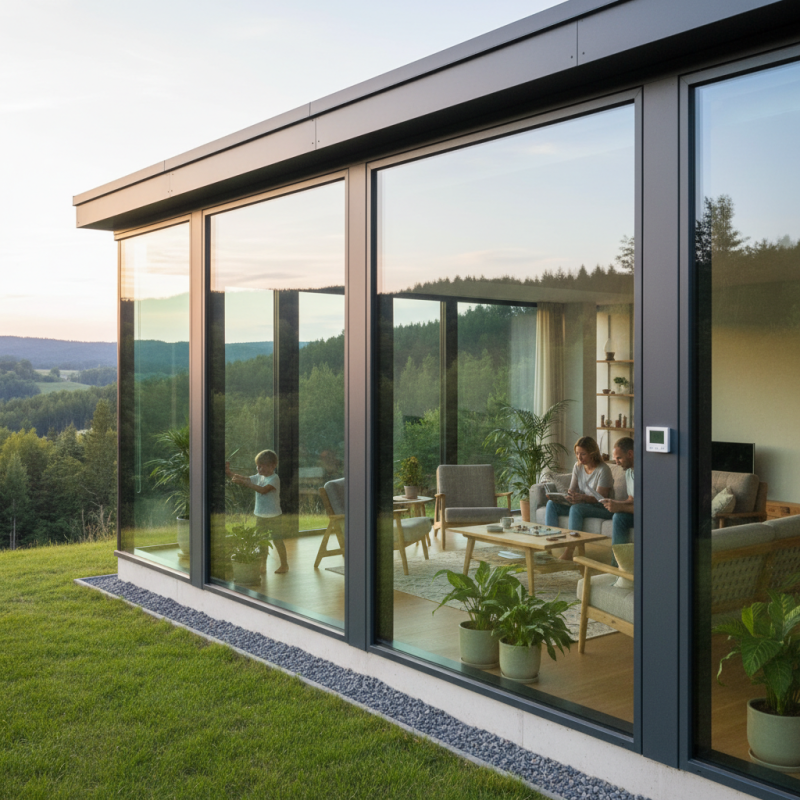
Understanding Energy Efficiency Standards for Windows in 2025
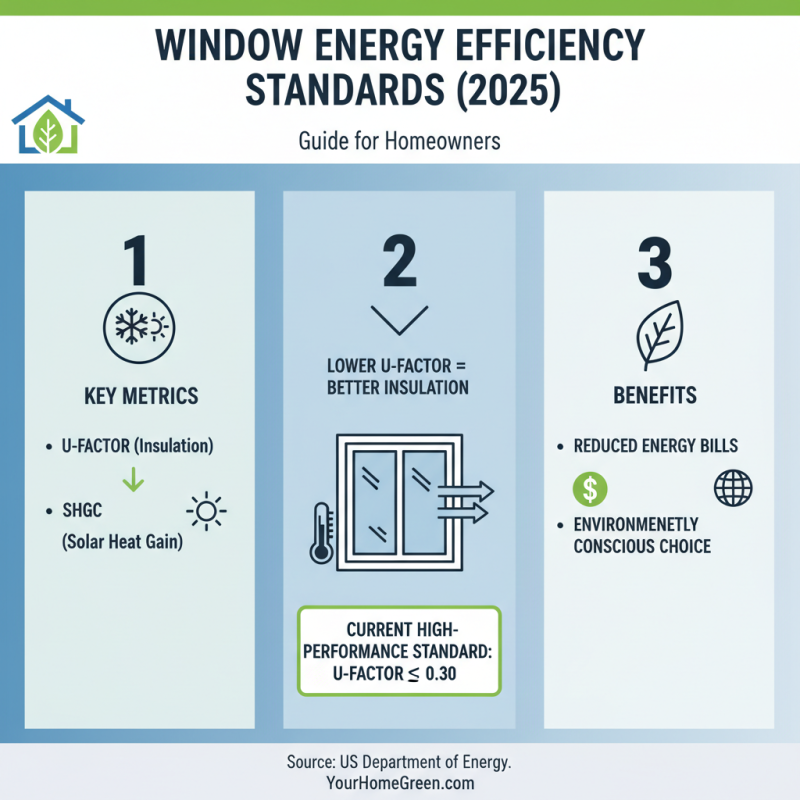
In 2025, understanding energy efficiency standards for windows is crucial for homeowners looking to make environmentally conscious choices. The energy performance of windows is measured by their U-factor, Solar Heat Gain Coefficient (SHGC), and visual transmittance. According to the U.S. Department of Energy, windows with a lower U-factor provide better insulation, reducing the need for heating and cooling. The current standard for high-performance windows is a U-factor of 0.30 or lower, which can contribute to significant energy savings over time.
When selecting green windows, it's essential to consider these standards in tandem with local climate conditions. For instance, in warmer climates, a lower SHGC is preferable as it minimizes unwanted heat gain. Homeowners should look for windows certified by reputable organizations, such as the National Fenestration Rating Council (NFRC), which provides reliable ratings and performance metrics.
**Tips:** To maximize energy efficiency, consider choosing triple-pane windows and low-emissivity (low-E) coatings that reflect heat while allowing light to enter. Additionally, ensure proper installation with insulated frames to prevent air leaks, further enhancing the energy performance of your windows. Familiarizing yourself with the latest standards and advancements can provide significant long-term savings and contribute to a more sustainable home.
Key Materials to Consider for Green Windows
When selecting green windows for energy efficiency in 2025, the choice of materials is crucial. One of the most effective options is triple-glazed glass, which offers superior insulation compared to traditional double-glazed windows. The gaps between the panes can be filled with noble gases like argon or krypton, enhancing thermal performance. Additionally, low-emissivity (low-E) coatings can minimize heat transfer while allowing natural light to flow in, significantly reducing heating and cooling costs over time.
Frame materials also play an essential role in the energy efficiency of green windows. Vinyl and fiberglass are becoming increasingly popular due to their excellent insulating properties and durability. They require less maintenance than wood, which can suffer from rot and warping. Furthermore, recycled aluminum frames provide a strong alternative while minimizing environmental impact. By prioritizing these advanced materials, homeowners can not only improve their energy efficiency but also contribute to a more sustainable future.
How to Choose the Best Green Windows for Energy Efficiency in 2025 - Key Materials to Consider for Green Windows
| Material Type |
Energy Efficiency Rating (U-value) |
Durability (Years) |
Recyclability |
Cost (per window) |
| Vinyl |
0.30 |
30+ |
Moderate |
$300 |
| Fiberglass |
0.25 |
50+ |
High |
$400 |
| Wood |
0.35 |
20-30 |
Moderate |
$450 |
| Aluminum |
0.50 |
25+ |
Moderate |
$350 |
| Composite |
0.28 |
40+ |
High |
$500 |
Evaluating Window Performance Ratings for Energy Efficiency
When selecting green windows for energy efficiency in 2025, a crucial aspect to consider is the window performance ratings. These ratings provide valuable insights into how well a window will perform in terms of thermal insulation, solar heat gain, and air leakage. The National Fenestration Rating Council (NFRC) is a key organization that provides standardized ratings, allowing consumers to compare window products easily. Look for windows that feature low U-factors, which indicate better insulation properties that keep heat inside during winter and outside during summer.
Another important aspect is the Solar Heat Gain Coefficient (SHGC), which measures how much solar radiation enters through the window. A lower SHGC is preferable for regions with hot climates, while a higher rating may be beneficial in cooler areas where solar heat can offset heating costs. Additionally, the air leakage rating should be taken into account, as windows that allow significant air infiltration can dramatically decrease energy efficiency. By evaluating these performance ratings, homeowners can make informed choices that lead to better energy savings and contribute to a more sustainable living environment.
Complementary Features to Enhance Window Energy Efficiency
When selecting green windows for energy efficiency in 2025, focusing on complementary features can dramatically enhance a window’s performance. To effectively improve energy conservation, consider windows with low emissivity (low-E) coatings. These coatings minimize the amount of ultraviolet and infrared light that pass through the glass without compromising visible light, which can reduce heating costs by up to 30% according to the U.S. Department of Energy.
Additionally, double or triple-pane gas-filled windows provide superior insulation compared to single-pane windows, offering significant reductions in heat loss and helping maintain comfortable indoor temperatures year-round.
Tips for enhancing window energy efficiency include examining the framing materials. Opt for window frames made of vinyl or fiberglass, which not only have excellent insulation properties but also resist heat transfer more effectively than aluminum frames. Furthermore, investing in windows with integrated solar control features can significantly lower heating and cooling demands. According to the National Fenestration Ratings Council, such advancements can improve energy savings by approximately 15% compared to standard window solutions.
Another essential feature to consider is the window's solar heat gain coefficient (SHGC), which measures how much solar radiation is admitted through a window. A lower SHGC is advantageous in hotter climates, as it reduces cooling demands. For optimal performance, select windows with a SHGC rating appropriate for your region’s climate, ensuring you maximize energy efficiency while reaping long-term savings on energy bills.
Cost-Benefit Analysis of Investing in Green Windows
Investing in green windows is increasingly becoming a pivotal decision for homeowners focusing on energy efficiency. According to a 2023 report by the National Fenestration Rating Council (NFRC), energy-efficient windows can reduce heating and cooling costs by up to 30%. When assessing the cost-benefit ratio, it's essential to consider both the initial investment and the long-term savings.
The average cost of high-quality green windows can range from $300 to $1,000 per window, depending on materials and specifications. However, the potential savings on energy bills, often amounting to $100 to $500 annually, provide a compelling argument for this upfront expenditure.
Moreover, green windows contribute to increased property value, with studies from the American Council for an Energy-Efficient Economy (ACEEE) indicating that homes with energy-efficient features can sell for about 10-15% more than similar homes without these updates. As energy prices continue to rise, the payback period for investing in green windows may shorten significantly. Additionally, tax incentives and rebates for energy-efficient home improvements can further enhance the financial viability of such projects, creating a favorable environment for homeowners to upgrade their windows while benefiting both their wallets and the environment.