How to Choose the Perfect Window and Door for Your Home?
Choosing the right Window & Door for your home is a crucial decision. A well-selected window or door not only enhances curb appeal but also improves energy efficiency significantly. According to a report by the American Architectural Manufacturers Association, better windows can reduce energy bills by up to 25%. This aspect is vital for homeowners looking to cut costs and reduce their carbon footprint.
Industry expert, John Smith, emphasizes the importance of proper selection: "The right Window & Door can transform a space and improve the comfort of a home." However, many homeowners overlook the long-term benefits of quality materials and energy-efficient designs. Without thorough research, it’s easy to choose poorly and regret the decision later.
Navigating the options for Window & Door solutions may feel overwhelming. Styles, materials, and functionality all play a role in making the best choice. Although you might be drawn to the latest trends, practicality should guide your decisions. Your home deserves thoughtful selections that reflect both style and sustainability.
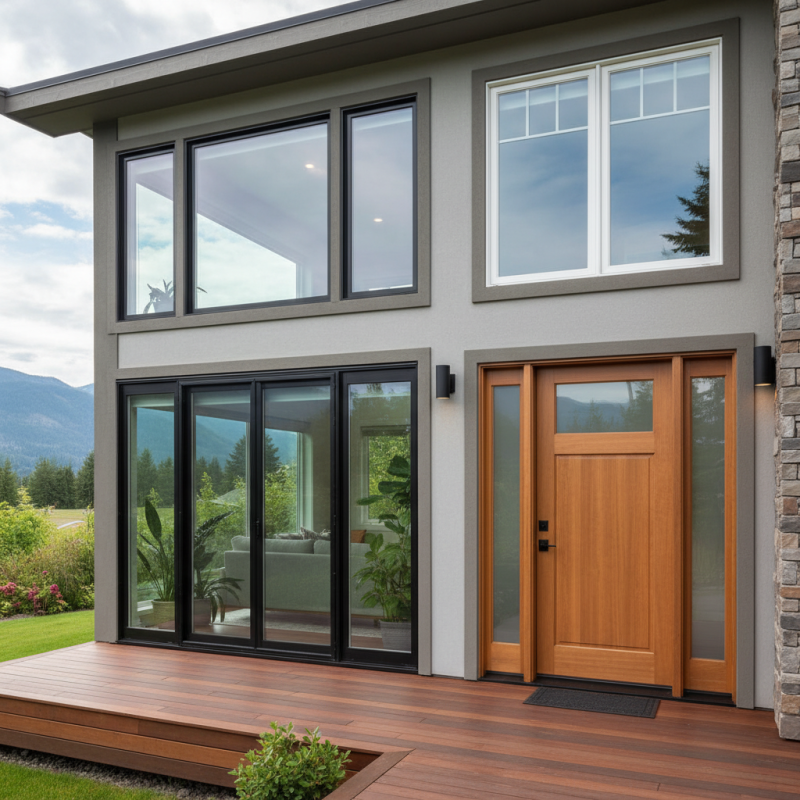
Understanding the Different Types of Windows and Doors Available
Choosing the right windows and doors can significantly influence your home's appearance, comfort, and energy efficiency. Understanding the different types available is crucial. For example, vinyl windows are popular due to their durability and low maintenance. According to the U.S. Department of Energy, energy-efficient windows can save homeowners up to 15% on their energy bills.
When looking at doors, consider both style and functionality. Fiberglass doors offer excellent insulation and can mimic the look of wood without the upkeep. Many homeowners undervalue the impact of door style on curb appeal. A well-chosen door can enhance the overall aesthetics of your home.
Tips: Always measure your existing openings before shopping. Inaccuracies can lead to costly errors. It’s wise to ask for recommendations from neighbors or friends. Often, they’ll share experiences that can save you time.
Explore different materials. Wood, aluminum, and composite all have unique features. Do your homework to understand the pros and cons of each. The wrong choice can leave you frustrated. Don’t rush the decision-making process; it’s a key part of home improvement.
Key Factors to Consider When Choosing Windows for Your Home
Choosing windows for your home is a crucial decision. A study by the National Association of Home Builders indicates that high-quality windows can enhance energy efficiency by about 15-30%. Improper selection can lead to energy loss and increased bills. It's essential to assess your climate. For warmer areas, selecting double-glazed windows can reduce heat gain.
Consider the frame materials carefully. Wood offers aesthetic charm but requires maintenance. Vinyl frames are low-maintenance and energy-efficient but might not suit all styles. Additionally, pay attention to the U-factor. This measurement indicates insulation effectiveness. A lower U-factor is generally better.
Don't overlook natural light needs. Large windows can brighten a space but may compromise privacy. Balancing light and privacy is vital. Always consult local regulations and building codes. Overlooking these can lead to costly misunderstandings. Remember, the goal is a harmonious blend of function and style.
How to Choose the Perfect Window and Door for Your Home? - Key Factors to Consider When Choosing Windows for Your Home
| Factor | Description | Importance | Energy Efficiency Rating |
| Material | Choose between wood, vinyl, aluminum, or fiberglass for durability and maintenance. | High | A-rated |
| Style | Consider architectural style and personal preference to enhance aesthetic appeal. | Medium | B-rated |
| Energy Efficiency | Look for windows with low U-values and high Solar Heat Gain Coefficient. | Very High | A-rated |
| Maintenance | Assess how much effort you want to put into upkeep, as some materials require more care. | High | C-rated |
| Cost | Evaluate your budget as windows and doors can be a significant investment. | Medium | B-rated |
Essential Criteria for Selecting the Right Doors for Your Home
When selecting the right doors for your home, several essential criteria should guide your decision. First, consider energy efficiency. According to the U.S. Department of Energy, replacing old doors with energy-efficient models can reduce energy bills by 10-15%. Look for doors with low U-factors and high R-values to maintain temperature and comfort.
Another crucial factor is material selection. Common choices include wood, fiberglass, and steel. Each material has its pros and cons. Wood offers aesthetic appeal but requires maintenance. Fiberglass resists dents and scratches but may lack the warmth of wood. Steel is durable and secure but can be prone to rust if not properly coated.
Tips:
Check local building codes to ensure compliance. This can prevent costly mistakes or delays during installation. Remember, the door should reflect your home’s style too. A mismatched door can detract from curb appeal.
Finally, consider security features. About 34% of burglars enter through the front door, according to a 2021 study by the FBI. Deadbolts, strong frames, and quality hinges can enhance safety. Test door operation before purchase; it should open and close smoothly without resistance. Don't overlook these details; they can greatly impact your home's security and efficiency.
Energy Efficiency and Sustainability in Windows and Doors
When selecting windows and doors for your home, energy efficiency is crucial. According to the U.S. Department of Energy, windows can account for 25-30% of residential heating and cooling energy use. Choosing the right type can significantly reduce energy bills. Look for products that offer a low U-factor and high R-value. These metrics indicate how well a window insulates against heat loss.
Sustainability is also an essential factor. Many materials used in windows and doors are recyclable. For instance, vinyl frames have a long lifecycle and are often reclaimed. However, one must consider the carbon footprint generated during production. The National Fenestration Rating Council states that an energy-efficient window can save an average home up to $465 annually in energy costs. Yet, this does not mean all energy-efficient products are created equal. It’s wise to research and ask about certifications.
While aesthetics matter, focus on functionality. Stylish designs can sometimes lead to compromises on energy efficiency. This is a common pitfall. A beautiful window that doesn’t insulate well can lead to more significant long-term costs. Homeowners must balance their desire for elegance with practicality. Aim for a design that meshes well with the environment while minimizing environmental impact.
Aesthetic Considerations and Style Compatibility for Your Home Design
When selecting windows and doors, aesthetic compatibility with your home design is crucial. According to the National Association of Home Builders, around 70% of homeowners deem style more important than energy efficiency. A window's shape, size, and material should reflect the architectural style of your home. For example, modern homes often benefit from large, streamlined windows, while traditional homes might use more ornate designs. The right choice can enhance curb appeal and potentially increase property value.
Considering color is equally important. A survey by the American Society of Interior Designers found that 52% of designers believe color choice impacts mood significantly. Dark shades can provide a sophisticated touch but may absorb heat. Lighter colors reflect sunlight but might look underwhelming. It’s essential to think about how these decisions align with your overall design vision. While striving for perfection, remember that balancing style and functionality is key. Not every choice will make you happy long-term, but thoughtful selection will pay off when reflecting on how your windows and doors contribute to your home's character.

