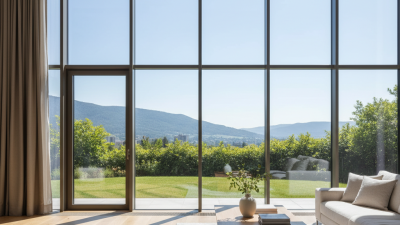
How to Choose the Best Doors and Windows for Your Home?
Choosing the right doors & windows for your home is crucial. These elements impact aesthetics, energy efficiency, and safety. The global doors and windows market size was valued at over $200 billion in 2021. This indicates their importance in home design and construction.
An effective choice of doors & windows can offer significant energy savings. A report from the U.S. Department of Energy suggests that up to 30% of a home's heating and cooling energy can be lost through inefficient windows. Selecting energy-efficient models can greatly reduce utility costs. However, the market is flooded with options, making it hard to choose wisely.
Many homeowners may overlook the long-term benefits of investing in quality doors & windows. While cheaper options save initial costs, they often lead to higher expenses in the future. Reflecting on quality versus cost is essential. Your choices should align not only with style but also with durability and energy performance. Prioritizing these aspects leads to a more sustainable and secure home environment.
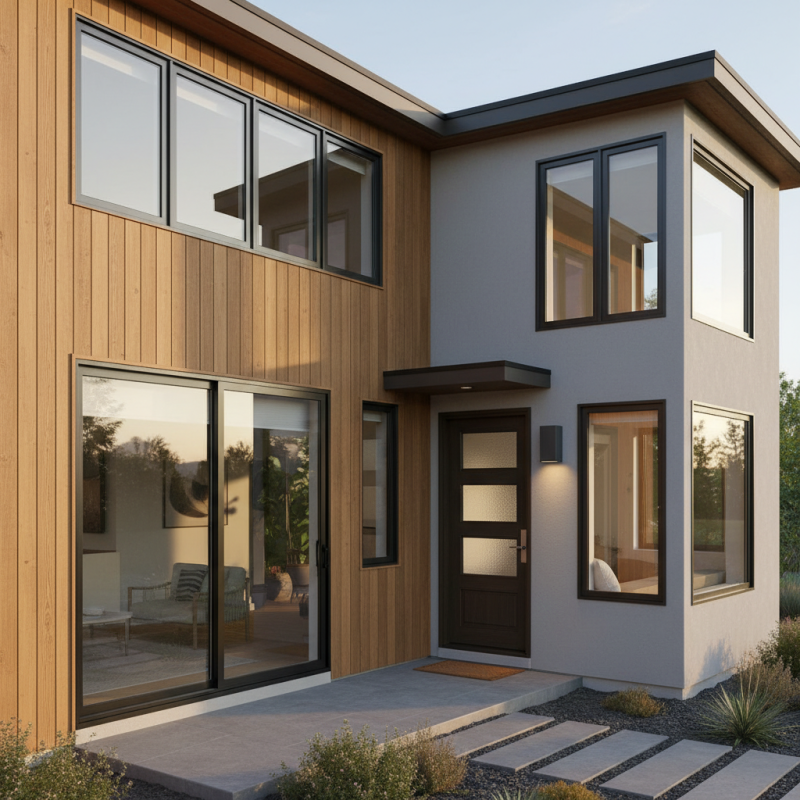
How to Assess Energy Efficiency Ratings for Doors and Windows
When choosing doors and windows, energy efficiency is crucial. The energy ratings indicate how well a product can insulate your home. Look for labels that meet ENERGY STAR standards. Products with low U-factors, typically under 0.3, can reduce energy loss. These ratings help in understanding how much heating and cooling costs you can save.
Assessing the energy efficiency rating requires attention to details. Pay special consideration to the Solar Heat Gain Coefficient (SHGC). A lower SHGC means less heat from the sun enters during the summer. This can significantly reduce cooling costs. According to the U.S. Department of Energy, upgrading windows can save homeowners between $126 to $465 annually on energy bills. This is a considerable factor to reflect on when investing.
Tips: Always compare the energy ratings before making a purchase. Visualize your home’s energy performance over time. Consider a professional energy audit for personalized solutions. Make sure to review materials used in the frames and glazing. Choosing the right options can lead to long-term savings and comfort.
Understanding Materials: Wood, Vinyl, Fiberglass, and Aluminum Options
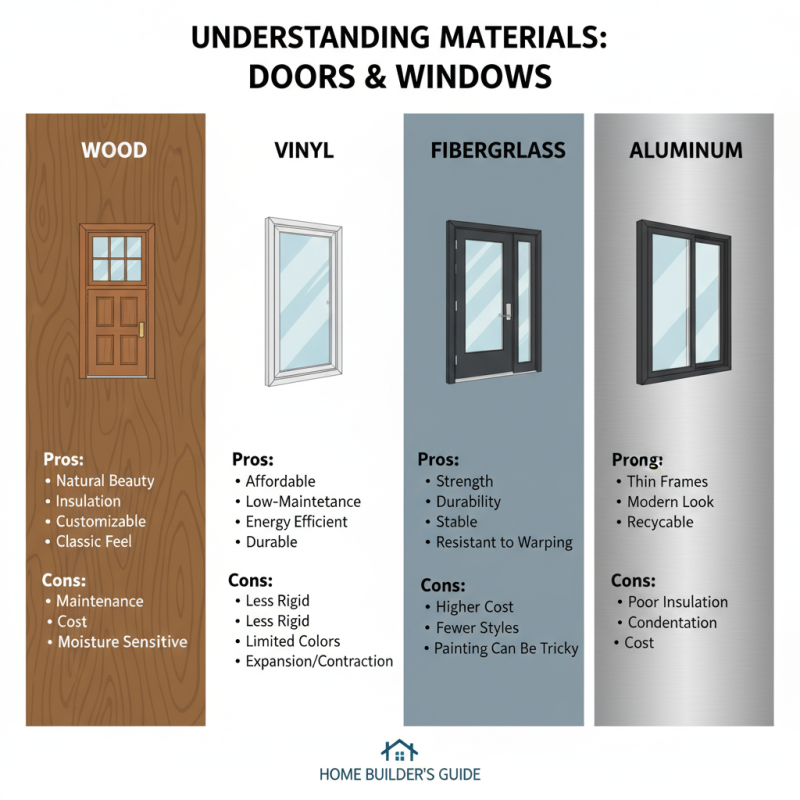
When choosing doors and windows, material selection plays a crucial role. Common options include wood, vinyl, fiberglass, and aluminum. Each material has its distinct advantages and challenges.
Wood offers a classic, warm appearance but requires regular maintenance. It can warp in humid conditions, leading to leaks. Vinyl is low-maintenance and energy-efficient but may fade over time. While fiberglass provides durability and insulation, it is often pricier. Aluminum is strong and lightweight but can conduct heat and cold easily.
Tips: Consider your local climate when choosing materials. In humid areas, opt for vinyl or fiberglass to avoid warping. For regions with extreme temperatures, ensure proper insulation with your selections. Pay attention to energy ratings, which can impact long-term costs. Choose materials that harmonize with your home’s architectural style. Keep in mind that each option has its trade-offs, so weighing long-term benefits is vital.
Evaluating Aesthetic Appeal and Architectural Compatibility for Your Home
When selecting doors and windows for your home,
aesthetic appeal and architectural compatibility are crucial. These elements can elevate your home’s style and
increase its value. Studies show that homes with cohesive design elements can see a value increase by up to
10% (National Association of Realtors). This means making
the right choices can profoundly impact your investment.
Consider the architectural style of your home when choosing windows and doors. Traditional homes pair well with wooden frames and detailed moldings. Meanwhile, modern designs may benefit from sleek, minimalistic options. An interesting finding notes that 73% of buyers prefer homes that align with their personal style. Assessing your surroundings plays a vital role here as well.
Tips: Look at the color palette and textures in your neighborhood. Think about how the sunlight hits different angles of your exterior. Choosing colors that complement your home’s facade can enhance its overall beauty. Before finalizing your decision, consider the long-term maintenance involved. Some materials may require regular treatment, which could affect your daily life.
Incorporating unique architectural details can set your home apart. However, beware of overcomplicating the design. Too many contrasting elements can create a sense of chaos. A harmonious design should be your aim, making aesthetic appeal easier and thoughtful.
Considering Security Features: Locks, Frames, and Impact Resistance
When selecting doors and windows, security features should be a top priority. Locks are the first line of defense. Opt for deadbolt locks on doors. They provide a robust barrier against forced entry. For windows, consider sash locks and window pins. These additions can deter intruders effectively. Make sure the locks are easy to operate but tough to breach.
Frames are equally important. Look for solid materials like fiberglass or wood. They offer excellent strength and resistance. Metal frames can also enhance security but may lack aesthetic appeal. Ensure that your frames fit snugly. Gaps can be vulnerable points. Impact resistance is crucial in areas prone to extreme weather or potential break-ins. Choose impact-rated glass for your windows. It can withstand significant force and protects against shattering.
Installing security features might seem straightforward, but it requires careful assessment. Some homeowners overlook small details. For instance, poorly installed locks can render them useless. Regular maintenance is essential to keep these features effective. Reflecting on your home's vulnerabilities can guide better choices. Are your doors and windows as secure as they could be?
How to Choose the Best Doors and Windows for Your Home? - Considering Security Features: Locks, Frames, and Impact Resistance
| Feature |
Description |
Importance |
| Locks |
High-security deadbolt locks provide enhanced protection against forced entry. |
Essential for preventing unauthorized access. |
| Frames |
Strong and durable frames made from materials like steel or reinforced fiberglass.
Helps withstand impact and resist breakage. |
Crucial for structural integrity and security. |
| Impact Resistance |
Manufactured to resist shattering from impacts.
Glass rated for safety reduces the risk of injury and break-ins. |
Highly important for homes in hurricane-prone areas. |
| Multi-Point Locking System |
Locks at multiple points on the door frame, distributing force and increasing security. |
Enhances overall door security. |
| Security Screens |
Reinforced screens that allow ventilation while preventing break-ins. |
Provides an additional layer of security without sacrificing airflow. |
Budgeting for Quality: Cost Analysis of Different Door and Window Types
When selecting doors and windows for your home, understanding costs is crucial.
Budget constraints often dictate choices. Different types of windows have varying prices based on material, style, and energy efficiency. For instance,
wood frames offer a classic look but come with higher upkeep.
Vinyl windows are budget-friendly and require less maintenance.
The cost of doors varies significantly as well. Entry doors made from fiberglass provide enhanced security and insulation, which justifies their higher cost.
In contrast, hollow-core doors are lighter and cheaper but may not match the durability you need. It's essential to weigh the long-term benefits against the initial investment.
Installation costs should also factor into your budget. A professional installation can add substantial expenses.
Consider whether you have the skills to DIY, which could save money yet might present challenges.
Each choice reflects your style, efficiency needs, and financial limits.
Balancing these elements leads to decisions that align with your home's requirements.