How to Choose the Best Manufactured Windows for Your Project?
When choosing manufactured windows for your project, considerations go beyond mere aesthetics. According to a report by the U.S. Department of Energy, windows can account for 25-30% of a home's heating and cooling energy use. This data underscores the importance of selecting efficient manufactured windows that enhance energy performance.
Manufactured windows offer benefits like cost efficiency and durability. However, not all manufactured windows are created equal. A National Association of Home Builders report highlights that homeowners can save up to 30% on energy bills with high-quality windows. This emphasizes the need for careful evaluation and selection.
Many tend to overlook details like U-factor and solar heat gain coefficients. These technical aspects significantly impact comfort and energy efficiency. Investing time in understanding these factors can lead to better long-term savings. Reflecting on your project's specific needs will guide you toward the best decision in manufactured windows.
Understanding Different Types of Manufactured Windows Available
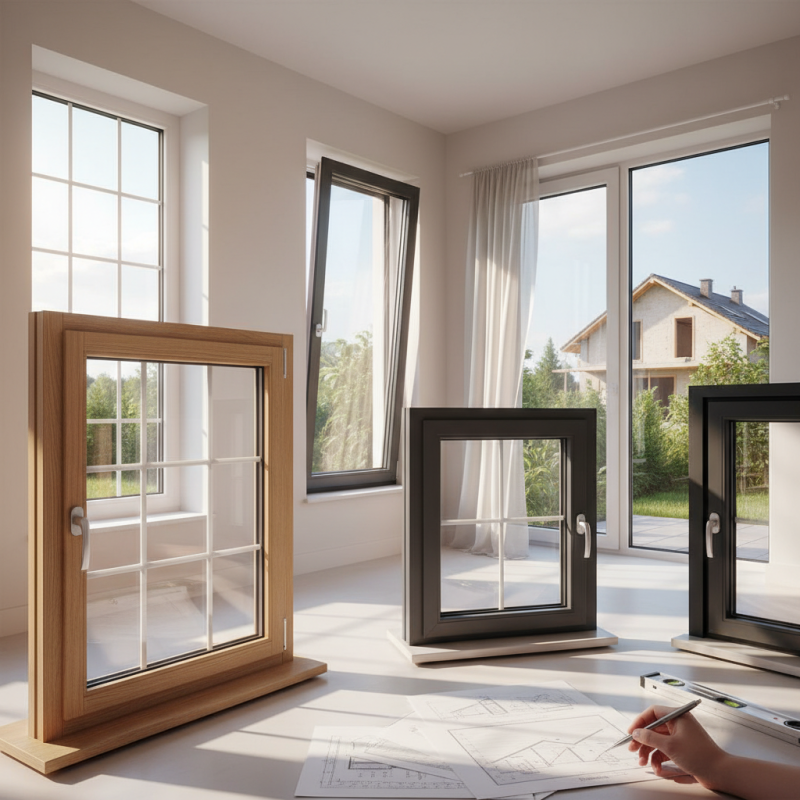
When selecting manufactured windows, understanding the different types available is crucial. There are various styles tailored to meet specific needs. Common categories include single-hung, double-hung, and sliding windows. Single-hung windows have one fixed pane and one that opens. This can save space. Double-hung windows, on the other hand, offer flexibility, allowing both panes to move.
Sliding windows are popular for patio areas or where space is limited. They glide smoothly and provide ample natural light. Each type has its unique benefits. Yet, they might not suit every architecture. It's important to consider the overall design of your home or building. Window types affect both aesthetics and functionality.
Beyond styles, materials play a critical role. Vinyl windows provide durability and energy efficiency, while wood windows offer classic beauty. However, wood requires maintenance to prevent decay. Each choice carries advantages and drawbacks. Reflecting on specific project needs can guide your decision-making process. Understanding these variations leads to more informed choices.
Key Factors to Consider When Choosing Manufactured Windows
When selecting manufactured windows, several key factors come into play. Energy efficiency is paramount. Windows account for nearly 25% to 30% of residential heating and cooling energy use. Choosing windows with low U-factors can significantly reduce energy consumption. Look for products that meet ENERGY STAR standards, as they are tested for performance across different climates.
Material choice also impacts durability and maintenance. Vinyl, fiberglass, and wood all offer unique benefits. Vinyl is low-maintenance and affordable, while fiberglass provides superior strength. Wood, though beautiful, requires regular upkeep. The choice of material should align with project goals and local climate conditions, as the wrong material can lead to high replacement costs.
Finally, installation quality is critical. Poorly installed windows can negate the benefits of energy-efficient designs. According to the National Association of Home Builders, improper installation can lead to air leaks, reducing energy savings by up to 30%. Research local contractors’ reviews and check credentials. Proper installation hinges on their expertise, reflecting the importance of reliable labor in the overall performance of your windows.
How to Choose the Best Manufactured Windows for Your Project?
| Feature |
Description |
Importance Level |
| Energy Efficiency |
Look for windows with high energy ratings to reduce heating and cooling costs. |
High |
| Material |
Consider materials like vinyl, wood, or fiberglass which affect durability and appearance. |
Medium |
| Warranty |
Check the warranty duration and coverage to ensure long-term performance. |
High |
| Installation |
Choose windows that are easy to install or consider professional installation services. |
Medium |
| Style |
Select a style that complements the architectural design of your building. |
Low |
Assessing Energy Efficiency Ratings of Manufactured Windows
When selecting manufactured windows, energy efficiency ratings play a crucial role. These ratings indicate how well a window can insulate your home. Look for labels that outline U-factor and Solar Heat Gain Coefficient (SHGC). The U-factor measures heat transfer, while SHGC measures solar heat. Lower numbers are better, indicating high performance.
Many homeowners overlook the importance of these ratings. A window might look appealing but may not perform well in energy savings. Even a slightly higher U-factor can lead to increased energy bills over time. This is why it’s vital to assess all options carefully.
Consider the climate of your area. In colder regions, double or triple-pane glass might be necessary. For warmer areas, Low-E coatings can help manage heat gain. You might discover that energy-efficient windows save you money in the long run. Reflect on your priorities: aesthetic versus efficiency, initial cost versus long-term savings. Each project requires a balance of these factors for optimal results.
Materials and Durability: Selecting the Right Window Frame
Choosing the right materials for window frames is crucial for durability and performance.
Vinyl, wood, and aluminum are common choices. According to the American Architectural Manufacturers Association, vinyl windows have a life expectancy of over 30 years.
This option often provides great energy efficiency and low maintenance.
Wood offers an excellent aesthetic but requires regular upkeep to prevent rot.
Aluminum frames are highly durable but have lower insulation properties.
This can lead to increased energy costs. A report from the U.S. Department of Energy notes that improper framing can lead to energy losses of 20% or more in homes.
Understanding these materials helps in making an informed decision for your project.
Consider these tips: prioritize energy efficiency in your selection.
Look for Energy Star-rated windows. Evaluate local climate conditions.
If moisture is a concern, wood frames may not be the best choice. Test samples before making a purchase.
Visualizing how materials suit your property can prevent future regrets.
Make data-driven decisions to enhance the longevity of your investment.
Budgeting for Manufactured Windows in Your Project
Budgeting for manufactured windows is essential for any construction project. A clear budget helps you avoid overspending and ensures that you get quality products. Start by assessing how many windows you need and their sizes. This initial step can significantly impact the overall cost. It is crucial to factor in both material and labor costs.
While it’s tempting to choose the cheapest windows, consider durability and energy efficiency. Cheaper options often lead to higher long-term costs due to energy loss and maintenance needs. Striking a balance between price and quality is vital. Take time to evaluate the long-term benefits of energy-efficient windows. These may require a higher upfront investment but pay off over time.
Always leave some room in your budget for unexpected costs. Projects often encounter surprises, such as installation challenges or design changes. By anticipating these potential issues, you prepare for necessary adjustments without financial strain. Seeking advice from industry professionals can also help refine your budget. Their insights can prevent costly missteps.