How to Choose Better Doors and Windows for Your Home?
Choosing better doors and windows is essential for enhancing the comfort and security of your home. According to Emily Tran, an expert in home renovation, "The right doors and windows can transform your living space and boost energy efficiency." Her insights highlight the importance of selecting high-quality materials and designs that fit your lifestyle.
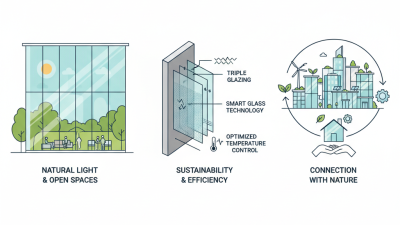
When evaluating your options, consider both aesthetics and functionality. Better doors and windows should complement your home's architecture while providing durability and insulation. Look for features like energy ratings and weather resistance to improve your home's efficiency.
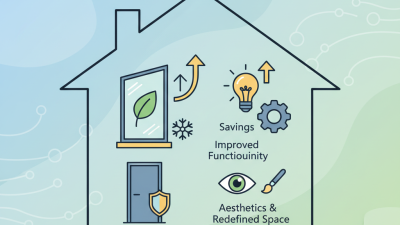
It’s also vital to reflect on your needs. Are you prioritizing security, style, or energy savings? Each choice carries its implications, and what seems perfect today might require reevaluation in the future. This journey of selecting better doors and windows is more than a task; it's about creating a lasting sensation of comfort and peace in your home.
Understanding the Importance of Quality Doors and Windows
When selecting doors and windows for your home, their quality is crucial. High-quality options enhance energy efficiency and improve security. They also contribute to the overall appeal of your property. Consider how long you plan to stay in your home. Investing in durable materials pays off in the long run.
Tips: Look for doors with solid cores and windows with double or triple glazing for insulation. Opt for materials that withstand climate conditions in your area. Be cautious of cheaper alternatives; they often compromise on safety.
Consider maintenance as well. Some materials require regular care, while others are more forgiving. Choose what suits your lifestyle. If you lead a busy life, low-maintenance options might be better for you.
Lastly, keep in mind the aesthetic impact of your choices. Doors and windows should complement your home’s design. Reflect on what looks appealing versus what has practical benefits. Finding a balance is key.
Energy Efficiency of Different Window Types
This chart illustrates the energy efficiency of various window types based on their U-Value ratings. Lower U-Values indicate better insulating properties, which contribute to energy savings in homes.
Assessing Your Home's Style and Architectural Requirements
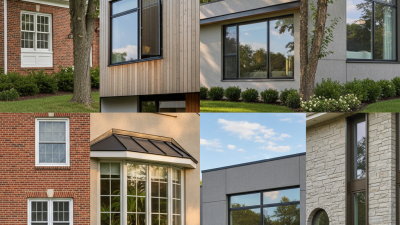
When choosing doors and windows, consider your home's architectural style. Each style has its own characteristics that can guide your selections. For instance, a Victorian home may benefit from ornate designs, while a modern home often requires minimalist aesthetics. According to the American Institute of Architects, over 75% of homeowners prioritize style in their renovation projects. This statistic highlights the importance of aligning your choices with your home's design.
Material choice is also crucial. Wood offers a traditional look, while fiberglass and vinyl provide durability and low maintenance. The U.S. Department of Energy reports that energy-efficient windows can reduce energy costs by up to 15%. However, ensure these materials blend well with your home's existing elements. Too often, a mismatched addition can detract from your overall design vision, leading to regret later on.
Color is another factor to consider. Neutral tones often enhance the architectural features, while bold colors can make a statement. Think about your neighborhood as well. Homes that fit within local aesthetics generally hold higher resale value. While being adventurous can be tempting, sometimes it’s best to stick to elements that enhance the overall beauty of your property.
Evaluating Materials: Wood, Vinyl, and Aluminum Options
When selecting doors and windows, material choice significantly impacts performance and aesthetics. Wood offers classic beauty and excellent insulation. However, it requires regular maintenance to prevent rot and warping. Research indicates that homes with well-maintained wooden windows can possess a resale value increase of around 80% compared to vinyl options.
Vinyl windows are a popular choice due to their energy efficiency and low maintenance. A study by the National Association of Home Builders shows that vinyl windows can save homeowners up to 25% on energy bills compared to older models. However, they may lack the durability of aluminum or wood in extreme conditions.
Aluminum frames are strong and resilient, often used in commercial buildings. They resist the elements well and require minimal upkeep. Yet, aluminum does conduct heat and may not offer the same insulation as wood or vinyl. Homeowners may need to consider additional insulating features when selecting aluminum products. Overall, balancing durability, aesthetics, and efficiency is crucial for making informed choices.
How to Choose Better Doors and Windows for Your Home?
| Material |
Durability |
Energy Efficiency |
Maintenance |
Cost (per unit) |
| Wood |
High |
Moderate |
High |
$500 - $1,200 |
| Vinyl |
Moderate |
High |
Low |
$200 - $600 |
| Aluminum |
High |
Moderate |
Moderate |
$400 - $900 |
Energy Efficiency Ratings and Impact on Utility Bills
When selecting doors and windows, energy efficiency is a critical consideration. Energy-efficient doors and windows can significantly affect utility bills. According to the U.S. Department of Energy, heat loss and gain through windows account for 25-30% of residential heating and cooling energy use. Investing in high-efficiency models can lead to substantial savings over time.
Choosing products with high energy efficiency ratings, such as ENERGY STAR certifications, can enhance your home's insulation. These products typically have better seals and glazing. For instance, double or triple-pane windows offer improved thermal performance. They can lower heating and cooling costs by up to 15% compared to single-pane options. However, it's important to remember that not all products will deliver the same results in every climate.
Additionally, poor installation can negate the benefits of even the best products. Gaps and leaks can offset the efficiency of new installations. An investment in energy-efficient doors and windows does require careful planning and often professional installation. It’s worthwhile to evaluate the long-term costs versus short-term gains to make informed choices.
Choosing Locks, Hardware, and Additional Security Features
When choosing locks and hardware for your doors and windows, it’s vital to focus on quality and security. Look for deadbolts that are ANSI-certified. They not only offer better protection but also provide peace of mind. Check the material of the locks. Metal options are more durable than plastic ones. Consider smart locks with keyless entry for added convenience and modern security features.
Beyond locks, focus on additional security features. Install window sensors that alert you of any breaches. Use security cameras to monitor the surroundings. Motion-sensor lights can deter intruders from approaching your home. Ensure that all your hardware is compatible with the design of your doors and windows. A mismatched style can not only look odd but may compromise security.
Reflect on your home's layout. Identify possible vulnerabilities, especially in areas with less visibility. Gathering opinions from security experts can shed light on aspects you might overlook. Regular maintenance is crucial; even the best locks can fail if not cared for properly. Prioritize regular inspections and be proactive about replacing worn-out components.