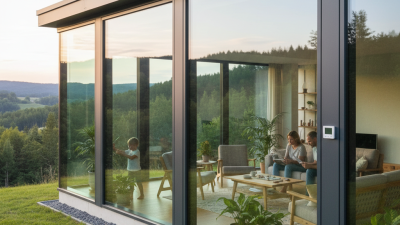
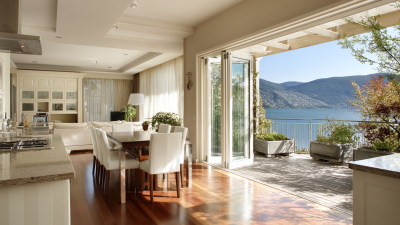
How to Choose the Right Fitted Windows for Your Home?
Choosing the right fitted windows for your home is crucial. Fitted windows can enhance both beauty and energy efficiency. They come in various styles, materials, and colors, making selection important.
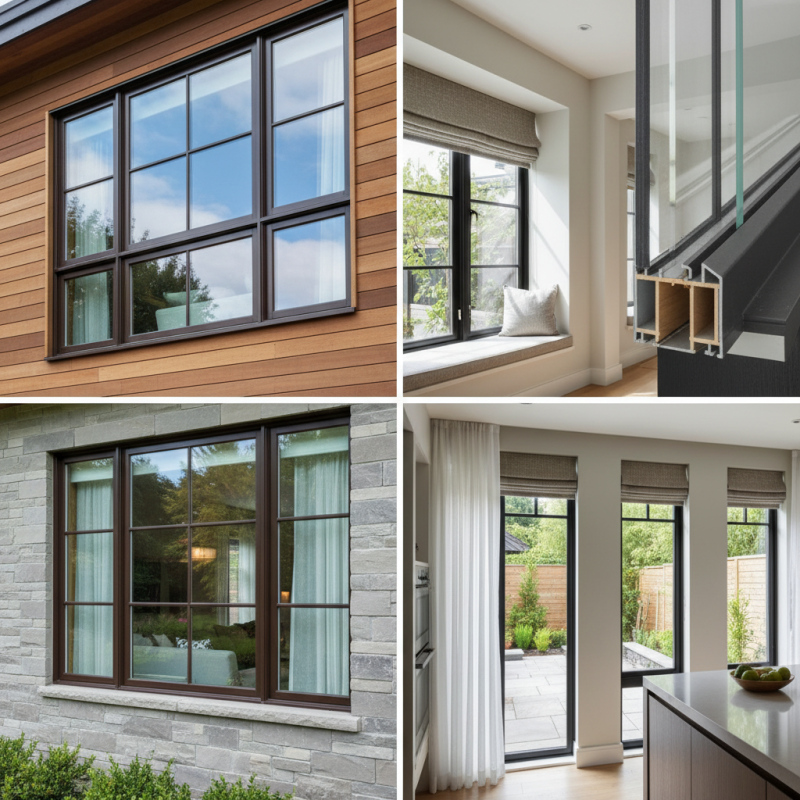
Consider how installed windows impact your home’s aesthetic. The right fitted windows should match your overall design. However, finding the perfect fit can be challenging. You might feel overwhelmed by different options.
Don’t forget about functionality. The best fitted windows provide insulation and security. Look for quality materials to ensure longevity. Sometimes, the cheapest option brings regrets later. Remember, your choice reflects your taste and lifestyle. Take time to decide.
Understanding Different Types of Fitted Windows Available for Homes
Choosing the right fitted windows for your home can be challenging. Many options exist, each suited for different needs. Standard choices include casement, sliding, and double-hung windows. Casement windows open outward, providing excellent ventilation. Sliding windows save space and are easy to operate. Double-hung windows offer versatility, allowing both sashes to open.
Tips: Consider how each type fits your space. For example, casement windows work best where there’s room to swing open. Did you think about the view? Sliding windows provide a panoramic sight.
Material also matters. Vinyl windows are popular for their durability. Wood frames offer classic aesthetics but need more upkeep. It’s essential to weigh these factors against your lifestyle. Think about weather conditions too. Poor insulation can lead to energy loss, impacting your bills.
Tips: Always ask about energy ratings. Some designs might look appealing but perform poorly. What’s the window's lifespan? Cheap options might cost more in the long run. Trust your instincts and view samples. Sometimes, what looks good in photos doesn’t translate to reality.
Evaluating the Energy Efficiency of Window Options
Choosing energy-efficient windows can transform your home’s comfort and reduce utility bills. According to the U.S. Department of Energy, residential windows account for 25-30% of heating and cooling energy use. Selecting the right windows can significantly impact energy consumption.
When evaluating window options, look for the Energy Star label. These windows are at least 10% more efficient than non-rated models. The National Fenestration Rating Council provides detailed ratings on window performance. Check for low U-factors and high Solar Heat Gain Coefficient (SHGC) ratings. A lower U-factor indicates better insulation.
Consider double or triple glazing for even more efficiency. While these windows might carry a higher initial cost, they deliver long-term savings. An analysis from the Lawrence Berkeley National Laboratory shows that upgrading to energy-efficient windows can save homeowners between $125 to $465 annually, based on local climate. Over time, such investments become just that—investments rather than expenses. However, the upfront costs can deter some homeowners, forcing them to reconsider their options.
Energy Efficiency Ratings of Different Window Types
Factors to Consider: Style, Size, and Material of Fitted Windows
Choosing the right fitted windows for your home is essential. It can impact both style and efficiency. Factors such as style, size, and material play a crucial role in your selection process.
Style matters significantly. Traditional or contemporary? Each style can change the character of your home. For instance, choosing a sash window can enhance a classic look. A modern casement window can give a sleek appearance. Don’t rush this decision; take time to visualize the end result.
Size is equally important. Measure your spaces accurately. Windows that are too small may not provide enough light, while those that are too large can overwhelm a room. Be sure to consider the height and width carefully. Mistakes in sizing can lead to costly alterations later.
Material affects durability and maintenance. You might prefer wooden frames for their aesthetic warmth. However, they require more upkeep. Vinyl windows, on the other hand, are low-maintenance but might lack charm. Reflect on the long-term implications of your choice.
Tip: Always consider energy efficiency. This will impact your bills and the environment.
Tip: Seek input from professionals. They can offer valuable insights and help avoid common pitfalls.
Sometimes, imperfect decisions will lead to surprising outcomes. Don't fear making mistakes; they can guide you to a better choice in the future.
Assessing Installation Costs and Long-term Maintenance Needs
When choosing fitted windows, understanding installation costs is crucial. Installation can range from $300 to $1,500 per window. This depends on window size, type, and labor rates in your area. A recent industry report emphasized that improper installation could lead to higher long-term costs. Gaps or poor sealing can increase energy bills by up to 20%. Proper professional installation is therefore essential.
Long-term maintenance is another factor to weigh. Regular inspections can help catch issues early, preventing expensive repairs. Data shows that windows require maintenance every 2 to 5 years. This can include re-sealing or painting, particularly for wooden frames. Homeowners often underestimate these costs. A simple maintenance routine can extend the life of your windows.
Among property owners, 60% reported overlooking maintenance needs in their initial purchase decision. This highlights a common pitfall. Making informed choices requires considering these ongoing responsibilities. Balancing upfront costs with future maintenance is crucial for a wise investment.
How to Choose the Right Fitted Windows for Your Home? - Assessing Installation Costs and Long-term Maintenance Needs
| Window Type |
Installation Cost (per window) |
Average Lifespan (years) |
Maintenance Requirements |
| Vinyl Windows |
$300 - $700 |
20 - 40 |
Low; occasional cleaning |
| Wood Windows |
$500 - $1,000 |
30 - 50 |
High; regular painting and sealing |
| Aluminum Windows |
$400 - $800 |
20 - 30 |
Medium; periodic cleaning |
| Fiberglass Windows |
$700 - $1,200 |
30 - 50 |
Low; minimal maintenance |
| Composite Windows |
$600 - $1,000 |
25 - 50 |
Low; occasional cleaning |
Tips for Choosing Window Designs that Enhance Home Aesthetics
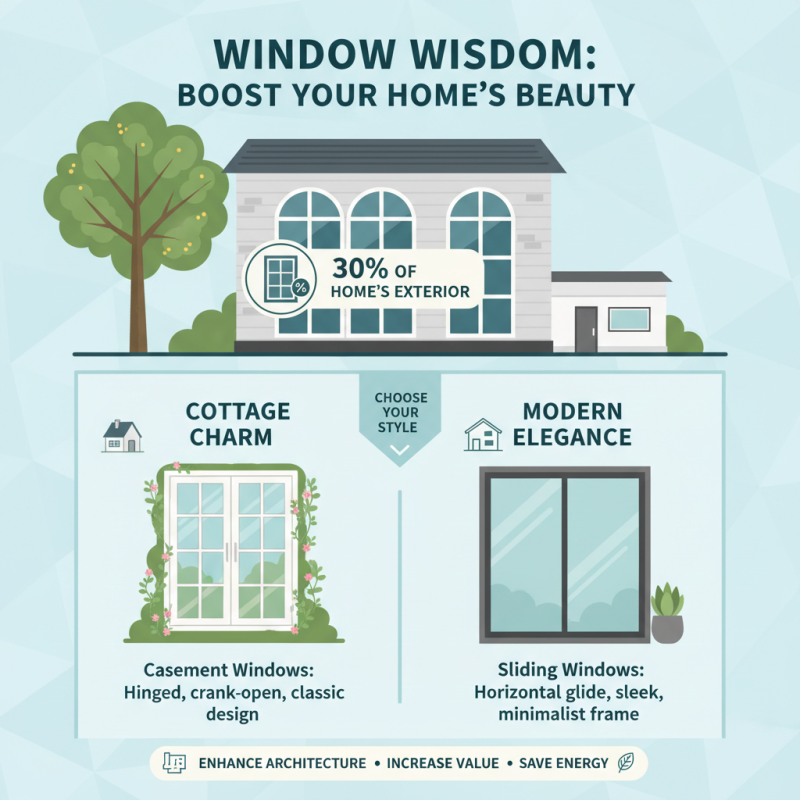
Choosing the right fitted windows can significantly enhance your home's aesthetics. Studies show that windows account for about 30% of a home's exterior. Therefore, selecting the right design is crucial. Opt for styles that complement your home's architecture. Charming casement windows might suit a cottage, while sleek sliding designs can enhance a modern space.
Consider materials as well. Wood offers warmth, while vinyl provides durability. A report from the National Association of Home Builders indicates that 40% of buyers prioritize energy-efficient designs. Energy-efficient windows not only lower utility bills but also improve your home's appearance. Natural light can transform a dim room, making it feel more spacious and inviting. Reflect on your local climate. What might seem attractive in one area can be less practical in another.
Taking the plunge into window selection can be overwhelming. You may struggle with color schemes or sizes that clash. Window treatments also play a role; the wrong curtains can detract from a beautiful window. Before making a decision, visualize how the windows will interact with both light and furniture. Keeping these factors in mind is essential for achieving the perfect balance between functionality and aesthetics.