How to Choose Green Windows for Your Home?
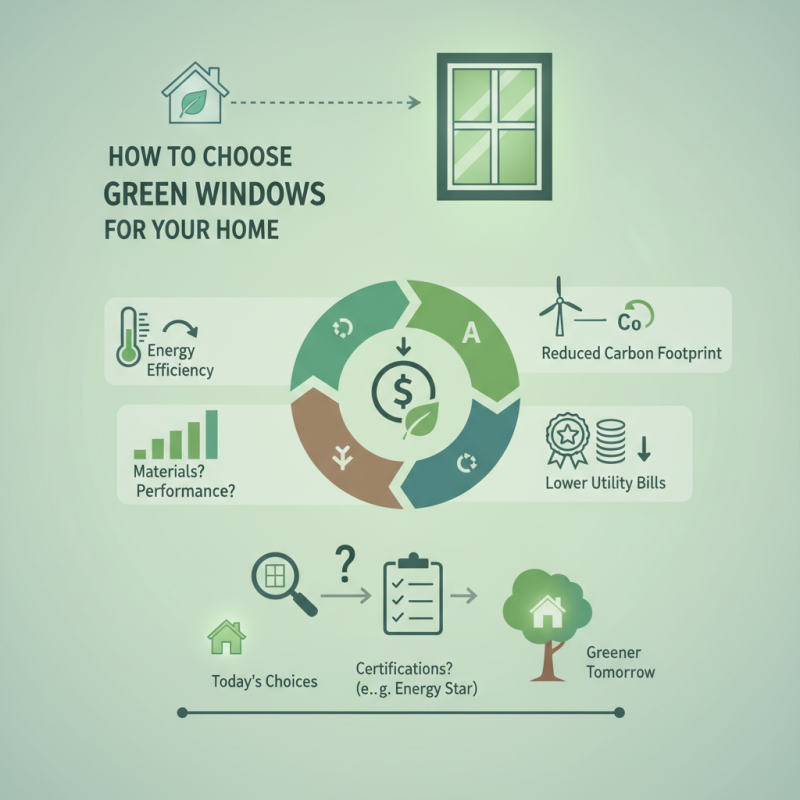
Choosing green windows for your home is vital for energy efficiency. The U.S. Department of Energy states that windows can account for up to 30% of heating and cooling losses. By opting for green windows, homeowners can significantly reduce energy consumption. This not only lowers utility bills but also decreases the carbon footprint of a household.
The market for eco-friendly windows has grown remarkably. According to a recent report by ResearchAndMarkets, sales are projected to reach $150 billion by 2026. More homeowners recognize the benefits of sustainable living. However, many might not understand what makes windows "green." Is it the materials? The energy performance?
Selecting green windows requires thoughtful consideration. It's easy to focus on aesthetics and forget about sustainability. Homeowners often overlook the importance of certifications, such as Energy Star ratings. Poor choices could lead to higher long-term costs. Reflecting on choices made today is crucial for a greener tomorrow.
Understanding the Importance of Green Windows for Sustainability
Choosing green windows for your home significantly impacts sustainability. These windows can enhance energy efficiency, reducing heating and cooling costs. They also lower carbon footprints. Double-glazed or triple-glazed options are popular choices. They provide better insulation than single-glazed windows.
Aesthetically, green windows come in various styles and materials. Wood, fiberglass, and vinyl are common. Using reclaimed wood adds charm and reduces waste. However, it may require more maintenance. Homeowners should weigh the benefits and challenges carefully. Some may find this overwhelming.
Natural light is another crucial aspect. Energy-efficient windows allow more sunlight in, reducing the need for artificial lighting. This can create a positive living space. Still, consider shading options for hot summer months. Balancing light and efficiency can be tricky. Making the right choice demands thought and research.
How to Choose Green Windows for Your Home? - Understanding the Importance of Green Windows for Sustainability
| Window Type |
Materials |
Energy Efficiency Rating |
Sustainability Features |
Average Cost ($) |
| Vinyl Windows |
Recycled PVC |
U-Value 0.30 |
Low maintenance, Energy Star certified |
300 - 600 |
| Wooden Windows |
Sustainable sourced wood |
U-Value 0.25 |
Biodegradable, excellent insulation |
500 - 800 |
| Fiberglass Windows |
Recycled glass fibers |
U-Value 0.22 |
Long-lasting, highly energy-efficient |
600 - 1,200 |
| Aluminum Windows |
Recycled aluminum |
U-Value 0.40 |
Durable, recyclable but requires thermal break |
400 - 800 |
Key Materials to Consider for Eco-Friendly Window Options
Choosing eco-friendly windows is essential for sustainability. The materials you select impact the environment significantly. Commonly used materials include wood, fiberglass, and vinyl, each with unique benefits and drawbacks.
Wood windows are attractive but require maintenance. They can absorb moisture, leading to rot. However, they have a great insulation value. According to a study by the Department of Energy, wood can reduce energy costs by 15-20%. Consider sustainable wood options certified by the Forest Stewardship Council.
Fiberglass windows are more durable and energy-efficient than vinyl. They withstand temperature changes without warping. The Window and Door Manufacturers Association states that fiberglass insulation is about 20% more effective than vinyl. Nevertheless, the initial cost can be higher.
Vinyl windows are popular due to low maintenance. However, their production process can be harmful. They may also not be recyclable. Ultimately, weigh the pros and cons carefully. Each material has a role in reducing your home's energy consumption and environmental impact.
Energy Efficiency Ratings: What You Need to Know
When choosing green windows, energy efficiency ratings are crucial.
These ratings tell you how well a window can insulate your home. Look for double or triple glazing to improve thermal performance.
Windows with low U-factors are better at keeping heat inside during winter.
Pay attention to the solar heat gain coefficient (SHGC).
This rating indicates how much sunlight enters. In warmer climates, a lower SHGC is often desirable.
However, in colder areas, you might prefer higher ratings to capture warmth from the sun.
Balancing these factors can be tricky.
Also, there are other certifications to consider. For example, look for ENERGY STAR labels or similar standards.
However, not all well-insulated windows come with these certifications.
Sometimes, you must trust your instincts or seek advice from professionals.
This process isn’t always straightforward. It requires research and reflection.
Choose wisely to make an impactful difference.
Choosing the Right Style: Aesthetic and Environmental Impact
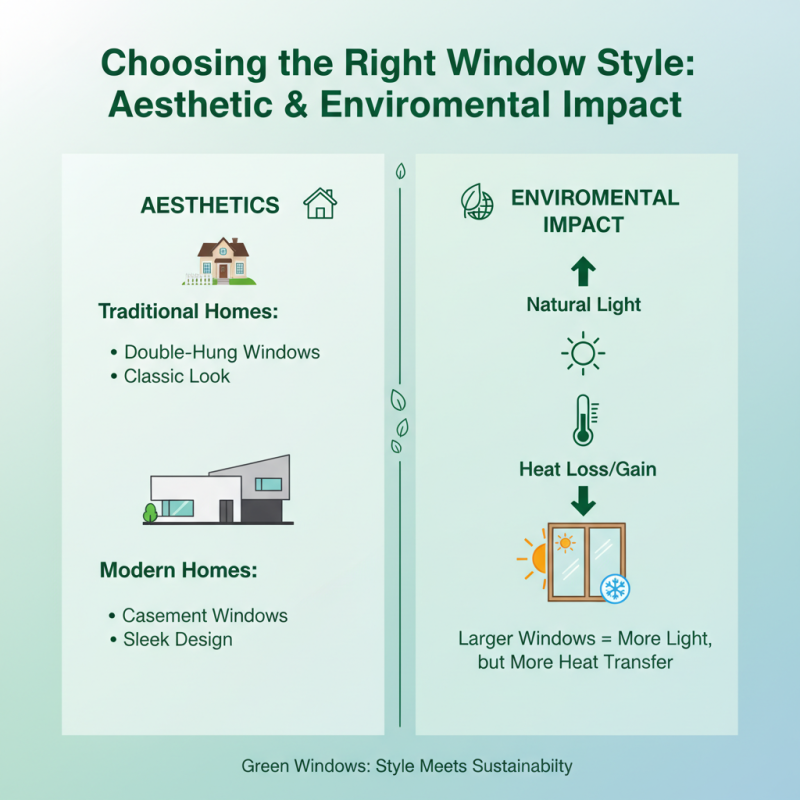
When selecting green windows, aesthetics and environmental impact are vital considerations. The style of your windows should complement your home’s design. Traditional homes may benefit from double-hung windows, while modern styles often suit casement windows. Each style has a different environmental footprint. For example, larger windows may provide more natural light but can increase heat loss.
Consider the materials used in your window choice. Wood is a sustainable option, but it requires maintenance. Vinyl windows can be energy-efficient but may lack the visual appeal of wood. Reflect on which materials resonate with your home’s character. Color is another factor; darker shades can absorb more heat, impacting energy consumption.
Additionally, think about how the aesthetics align with your goals. Do you want to enhance curb appeal or focus solely on sustainability? Balancing these priorities can be tricky. You may find a style you adore, but does it serve its purpose? Ask yourself if beauty can coexist with eco-friendliness in your window selection. Ultimately, the right choice reflects both your taste and a commitment to the environment.
Comparing Costs: Long-Term Savings vs. Initial Investment
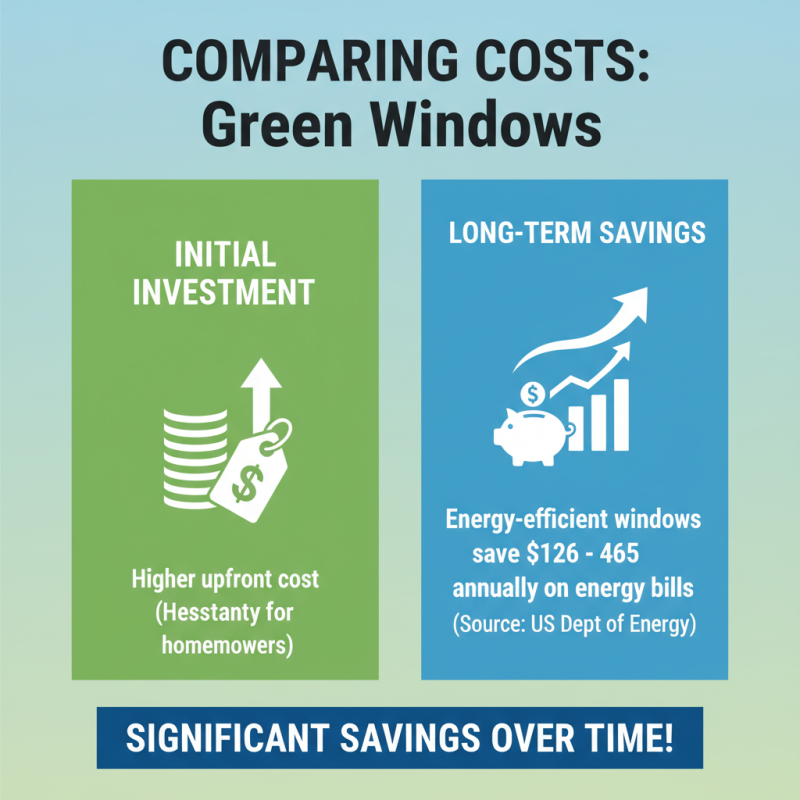
When choosing green windows, it's essential to weigh the long-term savings against the initial investment. Many homeowners are hesitant to spend more upfront. However, a report from the U.S. Department of Energy indicates that energy-efficient windows can save homeowners between $126 to $465 annually on energy bills. This data shows potential for significant savings over time.
Initial costs can range from $250 to $800 per window, depending on the material and efficiency. If you replace 10 windows, that investment may seem steep at first. Yet, over a 20-year lifespan, the savings can easily exceed $9,000. Now, consider the added benefits of comfort and reduced carbon footprint.
It is important to reflect on the impact of quality over price. Cheaper windows may lead to higher energy costs in the long run. Homeowners need to remember that investing in high-quality, energy-efficient windows is not just about immediate financial figures. It’s about creating a sustainable future for our homes and the environment. Balancing initial costs with potential savings is a thoughtful approach to home improvement.