

How to Choose a Plumbing Pipe Cutter in 2026?
Choosing the right Plumbing Pipe Cutter in 2026 requires more than comparing prices and polished product photos. Pipe material, wall thickness, diameter, access space, and cutting frequency all affect the decision. A compact cutter may work beautifully under a sink, yet struggle on thick stainless steel. A larger ratcheting model may deliver cleaner results, but it can feel awkward in a narrow service cavity.
Small details matter. In field work, I have learned that blade alignment often matters more than advertised cutting speed. A dull wheel leaves a rough edge, increases hand pressure, and may create extra deburring work. No cutter is perfect. Even a reliable tool can slip when the pipe is wet, poorly supported, or slightly oval. That reality deserves attention.
This guide examines Plumbing Pipe Cutter designs for copper, PVC, CPVC, stainless steel, and multilayer pipe. It considers cutting capacity, wheel durability, grip comfort, replacement parts, and long-term maintenance. It also explains when a manual cutter is enough and when a ratchet or powered option saves practical effort. Manufacturer specifications remain important, but real handling tells another story. A tool that fits the stated diameter may still perform poorly in confined spaces. Buyers should check compatible materials, approved accessories, and safe operating instructions before purchase. Clean cuts protect fittings, reduce leaks, and make installation more predictable. The best choice is not always the most expensive one. It is the cutter that matches the pipe, workspace, user experience, and expected workload.
Understand the Main Types of Plumbing Pipe Cutters
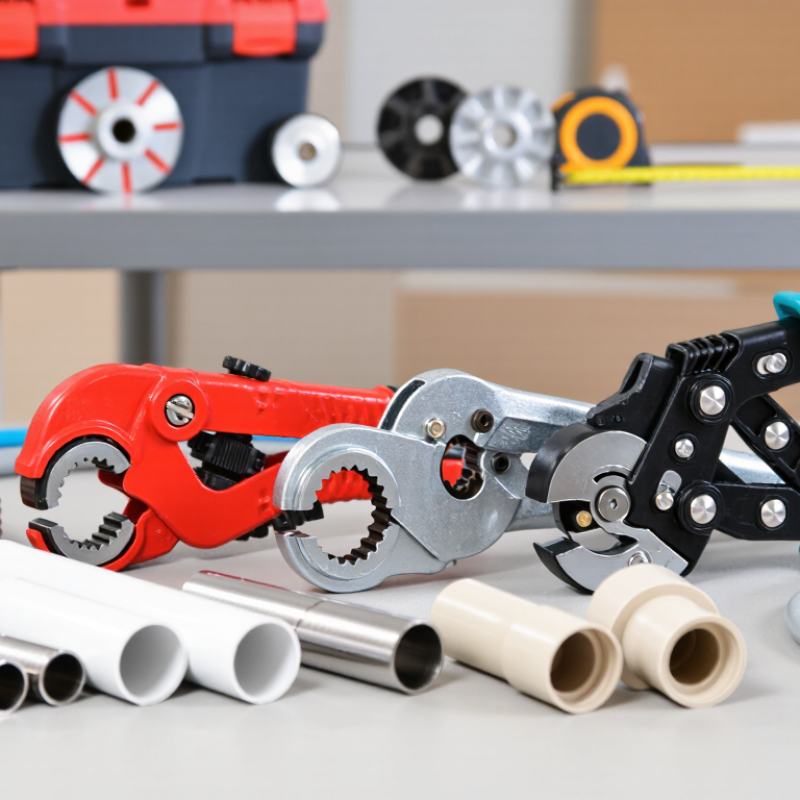
Rotary wheel cutters make clean, square cuts on copper and other compatible metal tubing. A small wheel turns around the pipe, so the tool works well where a hacksaw would scatter chips or need extra clearance. Choose one sized for the pipe’s outside diameter; an undersized cutter can leave a poor cut. Ratcheting cutters use short handle strokes and suit cramped spaces. Many are designed for plastic pipe, though the specified material and diameter matter. For larger plastic lines, a ratchet-style cutter can be quicker than a saw, but check that its blade is sharp and the cut stays square. Fit matters. Not just speed.
For larger-diameter pipe, hinged or chain-style cutters can distribute force around the circumference. They are useful on some metal pipes, but are bulkier and usually unnecessary for small household tubing. After cutting, remove burrs from metal and inspect plastic edges for splits or deformation. A rough edge can hinder a sound joint. The U.S. EPA’s 2023 7th Drinking Water Infrastructure Needs Survey and Assessment estimates $625 billion in drinking-water infrastructure needs over 20 years, including transmission and distribution systems. That figure is not a forecast for cutter sales, but it underscores why dependable pipe repairs and suitable cutting tools matter. Match the cutter to the pipe material, diameter, access, and joint requirements—not merely the lowest price. A rushed choice can cost time later.
| Cutter Type | Best Suited For | Typical Materials | Typical Capacity | Main Advantages | What to Check Before Buying |
|---|---|---|---|---|---|
| Ratcheting plastic pipe cutter | Quick, square cuts on small- to medium-diameter plastic pipe | PVC, CPVC, PEX, and some other plastics, subject to the tool’s specifications | Many models handle plastic pipe up to about 2 in. nominal size; confirm the maximum outside diameter | Fast one-handed operation; ratchet action reduces the force needed for thicker pipe | Check approved pipe materials, maximum outside diameter, blade replacement availability, and whether the pipe needs support to prevent crushing |
| Scissor-style plastic pipe cutter | Small-diameter plastic tubing and lighter repair or installation work | Commonly PEX and smaller-diameter PVC or other plastic tubing, depending on the cutter | Usually smaller than ratcheting models; capacity is specific to the tool | Compact, simple, and easy to carry; useful where a larger cutter is unnecessary | Make sure the jaw fully supports the pipe and the tool is rated for its material and diameter; an unsuitable blade can deform the cut end |
| Rotary wheel tubing cutter | Clean, controlled cuts on copper tubing in accessible locations | Copper and, with the correct wheel, some brass or aluminum tubing | Common small models cover roughly 1/8–1 1/8 in. outside diameter; larger cutters are available | Produces a neat cut with little material loss; adjustable cutting wheel follows the tube around its circumference | Match the wheel to the metal and tubing diameter; allow room to rotate the tool and deburr the inside edge after cutting |
| Close-quarters mini tubing cutter | Copper tube near walls, fittings, or other obstructions where a full-size cutter cannot turn | Typically copper tubing; material compatibility depends on the cutting wheel | Often designed for small tubing, commonly around 1/8–7/8 in. outside diameter; check the individual tool | Small turning radius and compact body make it useful in confined spaces | Check the clearance needed to rotate it and the adjustment range; cutting may take more turns than with a standard cutter |
| Heavy-duty steel pipe cutter | Cutting rigid metal pipe during repair or installation work | Steel or galvanized steel pipe when the cutter and wheel are rated for that material | Varies widely by cutter design; check the specified nominal pipe size and actual outside-diameter range | Designed for tougher pipe than standard copper tubing cutters; some models use a long handle or powered drive | Confirm pipe material, wall thickness, wheel type, and available rotation space; follow safe work practices for sharp edges and metal debris |
| Chain pipe cutter | Larger-diameter pipe or locations where a conventional full-turn cutter is impractical | Depending on the model, cast iron, ductile iron, clay, or other specified pipe materials | Model-specific; often intended for larger pipe than handheld tubing cutters | A chain wraps around the pipe, so the cutter can work where space is limited around the circumference | Verify the exact pipe material and diameter range; some chain cutters cut by snapping brittle pipe rather than producing a smooth, saw-like cut |
| Selection tip: Identify the pipe material and actual outside diameter first, then compare the cutter’s rated capacity, access clearance, and required cut quality. Pipe size labels may be nominal rather than the measured outside diameter. Deburr or prepare the cut end as required by the pipe system and fitting instructions. | |||||
Match the Cutter to Pipe Material and Diameter
How to Choose a Plumbing Pipe Cutter in 2026?
Match the cutter to the pipe material and diameter, not just the job price. Copper and other soft metals usually need a rotary cutter with a sharp, replaceable wheel. Plastic tubing needs a clean, slicing action. A crushed edge can weaken a fitting connection. I once chose a cutter by outside diameter alone. That was a mistake.
For PEX, use a dedicated plastic tubing cutter with a narrow, supported blade. It should leave a square end without flattening the tube. PVC requires similar care, but thicker wall profiles may need greater cutting capacity.
Steel and stainless steel demand heavier wheels, stronger frames, and slower pressure. Check the manufacturer’s stated diameter range. A 15–22 mm tool will not safely replace a cutter rated for 28–35 mm pipe.
Diameter changes cutting effort and access. Small pipes suit compact tools in crowded cabinets. Larger pipe requires longer handles or ratcheting action. The U.S. Environmental Protection Agency’s WaterSense program reports that household leaks can waste more than 1 trillion gallons of water annually in the United States. Poorly prepared cuts can contribute to leaks, though cutter choice is only one factor.
ASTM F1807 and related plumbing standards also emphasize compatible materials, dimensions, and connection methods. Standards matter more than guesswork. Still, no cutter removes the need to deburr, inspect the edge, and test the joint under controlled pressure.
My rule is useful, but not perfect. I still recheck the pipe wall before cutting.
Assess Cutting Capacity and Access in Tight Spaces
How to Choose a Plumbing Pipe Cutter in 2026?
When choosing a pipe cutter, assess access before cutting capacity. A powerful tool is useless if it cannot reach the pipe. Measure the gap around the pipe, including nearby walls, fittings, and cables. Compact cutters work well under sinks and inside narrow service panels. Larger models usually cut thicker pipe, but they need more turning space. Check the cutter’s stated capacity for copper, plastic, stainless steel, or multilayer pipe. One tool may not handle every material safely.
In my plumbing work, I have learned that comfort affects accuracy. A stiff adjustment wheel can cause uneven pressure in cramped spaces. Look for a smooth handle, clear depth control, and a cutting wheel that remains stable. A ratcheting design may help when a full rotation is impossible. However, it can feel slower on exposed pipe. I once chose a small cutter for convenience and regretted it after several hard turns. The pipe was cut, but the edge needed extra deburring.
Tips: Test the cutter on scrap pipe first. Measure the pipe twice. Leave room for deburring and fitting installation. Keep your wrist straight when turning. Inspect the cut edge for crushing, spirals, or sharp lips. If access is extremely limited, compare a compact ratchet cutter with a narrow rotary model. Manufacturer instructions remain important, especially for unfamiliar materials. Perfect access is rare. Plan for awkward angles.
Compare Blade Quality, Precision, and Ease of Use
How to Choose a Plumbing Pipe Cutter in 2026?
A clean cut starts with a sound blade. Check for a hardened cutting wheel, smooth rotation, and no visible chips. On copper, a dull wheel can leave a raised lip that catches a fitting or narrows the opening. That small flaw matters.
The Copper Development Association’s Copper Tube Handbook recommends removing burrs after cutting, since rough edges can affect joints and water flow. Choose a cutter sized for the pipe you actually handle; an oversized tool may feel awkward in a cramped cabinet.
Precision depends on more than the blade. A stable guide, a firm grip, and gradual tightening help keep the cut square instead of spiraling around the tube. For plastic pipe, confirm the tool matches the material and diameter, then check the cut for crushing or a slanted edge.
The U.S. EPA’s 2023 Drinking Water Infrastructure Needs Survey estimates $625 billion in drinking-water infrastructure needs over 20 years. It does not measure cutter performance, but it underscores why dependable repairs matter.
Ease of use is personal, too. Test the handle with gloves, and notice whether the adjustment knob is reachable near a wall. I still find that compact cutters can be tiring on repeated cuts. That trade-off is easy to miss in a product photo.
Check Safety Features, Maintenance Needs, and Cost
How to Choose a Plumbing Pipe Cutter in 2026?
Safety, maintenance, and cost matter as much as cutting capacity. Choose a cutter rated for the pipe material and diameter you use. A steady grip and a guarded cutting wheel can reduce slips, especially when working in a cramped cabinet. Check that the handle stays secure under pressure. Small details matter. A smooth cut also helps fittings seat properly, though it cannot correct a pipe that was measured poorly.
Consider what upkeep the tool needs. A cutter with a replaceable wheel may cost more at first, but it can be cheaper than replacing the entire tool. Look for clear instructions on cleaning and wheel changes. After use, wipe away moisture and metal or plastic shavings, then check for looseness or damage. I would not assume a higher price means safer work; compare the build, warranty terms, and replacement-part availability. Cheap tools can work, but a stiff wheel can make each cut frustrating.
Tips: Test the cutter on scrap pipe before a tight repair. Keep fingers away from the wheel, and wear eye protection. Compare the total cost, including spare wheels and routine upkeep—not just the shelf price.
How to Choose a Plumbing Pipe Cutter in 2026? These indicative U.S. retail price ranges show that cutter type affects upfront cost. Before buying, check that the cutter is rated for your pipe material and diameter, has a secure grip and blade guard or locking mechanism where applicable, and has replaceable blades or wheels. Keep cutting edges clean and sharp, and follow the manufacturer’s maintenance instructions. Prices vary by model and seller.