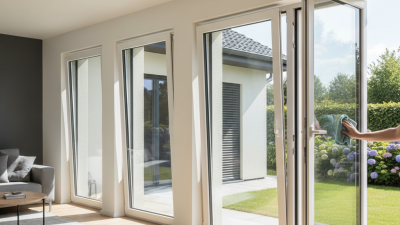
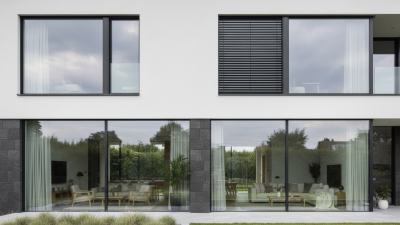
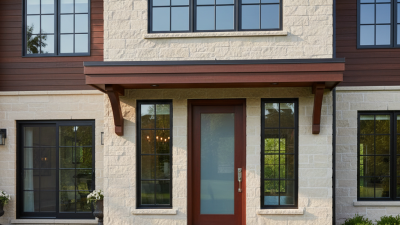
How to Choose UPVC Modern Windows for Your Home?
Choosing upvc modern windows is not simply a matter of matching a white frame to a brick façade. A window must control heat, drafts, noise, daylight, security, and maintenance over many years. The U.S. Department of Energy’s Energy Saver guidance estimates that windows can account for 25–30% of residential heating and cooling energy use. That figure makes performance more important than appearance alone. It also explains why a low purchase price may become expensive when rooms feel cold, condensation appears, or seals fail early.
This guide examines the details that deserve careful attention. These include whole-window U-values, air leakage, solar heat gain, glazing thickness, frame chambers, drainage paths, and locking hardware. The British Fenestration Rating Council and UK Building Regulations both stress verified energy performance rather than untested marketing claims. Look for independently tested ratings, clear warranty terms, and installers who measure each opening accurately. Measure twice. Poor fitting can weaken even an excellent product. A lower U-value is not automatically the perfect choice, because excessive solar gain may overheat a south-facing room. The Energy Saving Trust also highlights suitable glazing and professional installation as important parts of an efficient window upgrade. Still, performance labels can be confusing, and supplier comparisons are not always perfectly consistent. That uncertainty deserves honest checking. By comparing climate, orientation, ventilation needs, frame quality, and long-term service, homeowners can choose upvc modern windows with greater confidence and fewer costly surprises.
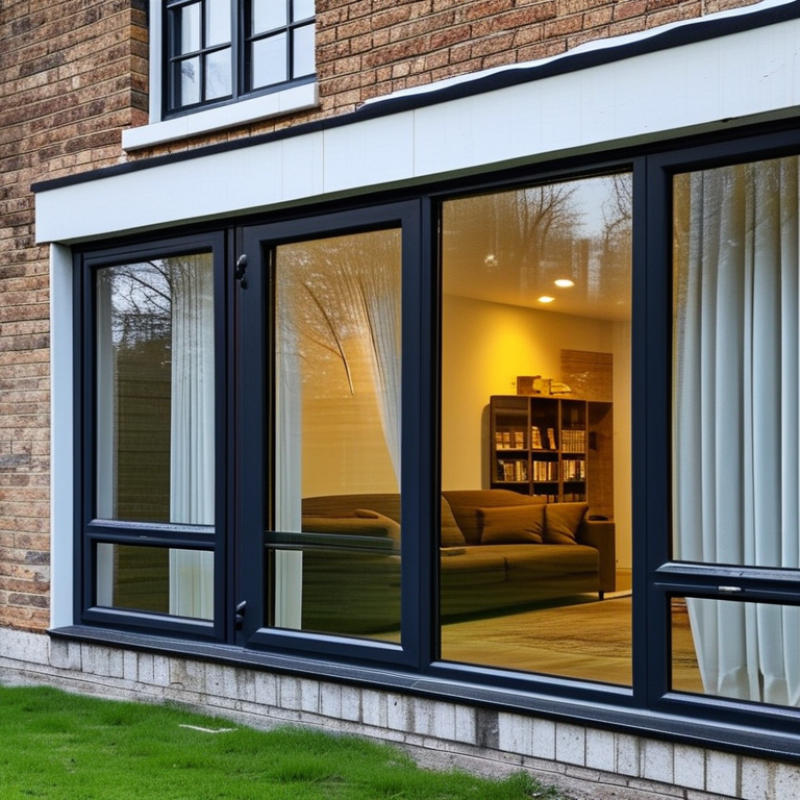
Define Your Home’s Window Requirements
Choosing UPVC modern windows starts with your home’s actual requirements, not a showroom style.
Walk through each room at different times of day. Note bright sunlight, street noise, cold drafts, and condensation on the glass. A south-facing bedroom may need solar control, while a shaded bathroom needs better ventilation. Measure each opening carefully, including width, height, wall depth, and sill condition. Older walls are rarely perfectly square. I learned this after a replacement window looked slightly uneven, despite accurate measurements.
Tips:
List your priorities before comparing quotations. Consider thermal insulation, sound reduction, opening style, frame colour, glass privacy, and cleaning access. Check whether emergency escape windows are required in sleeping rooms. Ask installers how they handle damp reveals and uneven masonry. Small details matter.
Your budget should include installation, trims, removal, disposal, and possible repairs.
Review the window’s thermal performance and drainage design through reliable technical documents. Local building rules may specify ventilation, safety glazing, or minimum opening sizes. A qualified installer should explain these requirements clearly, not pressure you into a quick decision.
Tilt-and-turn windows can improve airflow, but they may reduce usable wall space near furniture. Sliding designs save interior clearance, yet they might provide less ventilation.
I still think appearance deserves attention, but it should follow comfort and performance. A clean frame profile, warm glass, and secure locking system can support daily living for many years.
Compare UPVC Window Styles, Profiles, and Glazing Options
Choosing UPVC modern windows starts with comparing the complete unit, not just the frame colour. The U.S. Department of Energy reports that windows can cause 25–30% of residential heating and cooling energy use. A casement style usually offers tighter compression seals, while sliding windows suit narrow openings but may provide weaker airtightness. Tilt-and-turn windows allow controlled ventilation and easier cleaning, especially on upper floors.
Look closely at the UPVC profile. A multi-chamber frame can improve insulation, but chamber count alone proves little. Ask for the whole-window U-value, known as Uw, rather than the centre-glass value. Lower numbers indicate better thermal performance. A 70mm profile may be suitable for many homes, yet installation quality can still decide the result. Measure twice.
Glazing changes comfort noticeably. Low-emissivity glass reflects indoor heat back into the room, while argon-filled double glazing reduces heat transfer. The Energy Saving Trust states that energy-efficient glazing can significantly reduce heat loss compared with single glazing, with advanced options potentially cutting window heat loss by around 50–70%. Triple glazing may improve warmth and sound control, but it adds weight and cost. Solar-control glass helps south-facing rooms, although it can reduce winter sunlight. On site, I have seen excellent windows underperform because foam gaps, poor drainage, or uneven reveals were ignored. Ask for test evidence covering Uw, air permeability, water tightness, and wind resistance.
Evaluate Energy Efficiency, Security, and Acoustic Performance
How to Choose UPVC Modern Windows for Your Home?
Energy efficiency should begin with the window’s U-value, not its appearance. A lower U-value usually means better insulation and less indoor heat loss. Ask for certified performance data, including the frame, glass, and sealed unit. Double glazing may suit mild climates, while triple glazing can improve comfort in colder areas. During a home renovation, I learned that installation quality mattered as much as the window specification. Small gaps around the frame caused noticeable drafts. Check the installer’s fitting method, sealing materials, and aftercare policy.
Security deserves practical attention. Look for strong frames, internal steel reinforcement, and multi-point locking systems. Laminated glass can resist impact more effectively than ordinary glass. Lockable handles may also help, especially on ground-floor windows. However, more locks do not automatically mean better protection. Ask whether the complete window has been independently tested. Avoid choosing hardware based only on appearance.
Acoustic performance depends on the glass combination, frame seals, and installation. A busy road may require different glazing than occasional neighborhood noise. Request the window’s weighted sound reduction rating, usually shown as Rw. Consider trickle vents carefully, because poorly selected vents can weaken sound insulation. A quiet bedroom needs careful detailing around every edge. This part is often overlooked. Measure the actual noise before ordering, because my first estimate was too optimistic. A technically impressive window can still disappoint when the surrounding wall remains poorly sealed.
Check Installation Quality, Maintenance Needs, and Durability
Choosing modern uPVC windows requires more than comparing frame colors and glass patterns. Installation quality often determines real performance. The U.S. Department of Energy reports that windows can account for 25% to 30% of residential heating and cooling energy use. Poorly fitted frames may increase drafts, condensation, and outside noise. Ask the installer to check wall openings, frame alignment, sill drainage, and perimeter sealing. A straight frame should open smoothly without forcing the handle.
Look closely at the installation details. Expanding foam alone is not a complete weather seal. Professional fitting should combine suitable fixings, insulation, and an exterior-resistant sealant. The American Architectural Manufacturers Association identifies correct anchoring and water management as key parts of window performance. Use a spirit level during inspection. Check every corner.
Maintenance is usually simple, but it is not zero. Clean drainage channels twice a year, lubricate moving hardware lightly, and inspect seals for cracks or shrinkage. Avoid abrasive cleaners. They can dull the surface and weaken protective finishes. The British Standards Institution recommends planned inspection for doors and windows, especially where moisture exposure is high.
Durability also depends on local conditions. Coastal air, strong sunlight, and frequent temperature changes can shorten service life. Ask for test evidence covering air leakage, water resistance, wind pressure, and operating cycles. ENERGY STAR states that certified replacement windows can reduce household energy bills by 7% to 15% in suitable homes. Results vary. That limitation matters. A durable window cannot correct a poorly prepared opening or careless installation.
Set a Budget and Select a Reliable Window Supplier
When choosing UPVC modern windows, set a realistic budget before comparing styles. Start with the whole project cost, not the frame price alone. Include measuring, delivery, removal, installation, trims, and possible wall repairs. Ask each supplier for an itemised quotation. This makes hidden costs easier to spot. Keep a small reserve for surprises. Older homes often reveal them. I once underestimated sill repairs, and the final invoice changed my plan.
A reliable window supplier should explain thermal performance, ventilation, glazing options, and installation methods clearly. Check their trading history, customer reviews, insurance, and relevant product certifications. Request recent project references, especially for homes similar to yours. A careful supplier should arrange an accurate survey before confirming measurements. They should also provide written warranty terms and explain who handles future service calls. Ask whether installation teams are employed or subcontracted. This affects communication and accountability. The cheapest quote may exclude essential work. Still, an expensive quote is not automatically better. Compare specifications, guarantees, payment stages, and delivery times side by side. Avoid rushing because a polished showroom can hide weak after-sales support. I would also ask difficult questions twice. Hesitation or vague answers deserve attention. Reliable advice should remain clear, practical, and consistent from the first survey to final fitting.