How to Ensure Your Windows Are Safe: Top Tips and Best Practices
Ensuring that your home is equipped with safe windows is not merely a matter of aesthetics; it’s a critical component of home security and energy efficiency. According to the 2021 Home Safety Report by the National Safety Council, over 35% of residential break-ins occur through insecure windows, highlighting the importance of reinforcing these entry points. This underscores the critical need for homeowners to adopt best practices in securing their windows, not only to prevent unauthorized access but also to enhance the overall safety of their living space.
In addition to securing against potential intrusions, safe windows also play a vital role in energy conservation. The U.S. Department of Energy indicates that windows, when not properly sealed and insulated, can account for up to 30% of a home’s heating and cooling energy loss. By ensuring that windows are not only safe but also energy-efficient, homeowners can significantly reduce their utility bills while contributing to environmental sustainability. This dual focus on security and energy efficiency is essential, prompting us to explore top tips and best practices to achieve truly safe windows in your home.
Understanding the Importance of Window Security
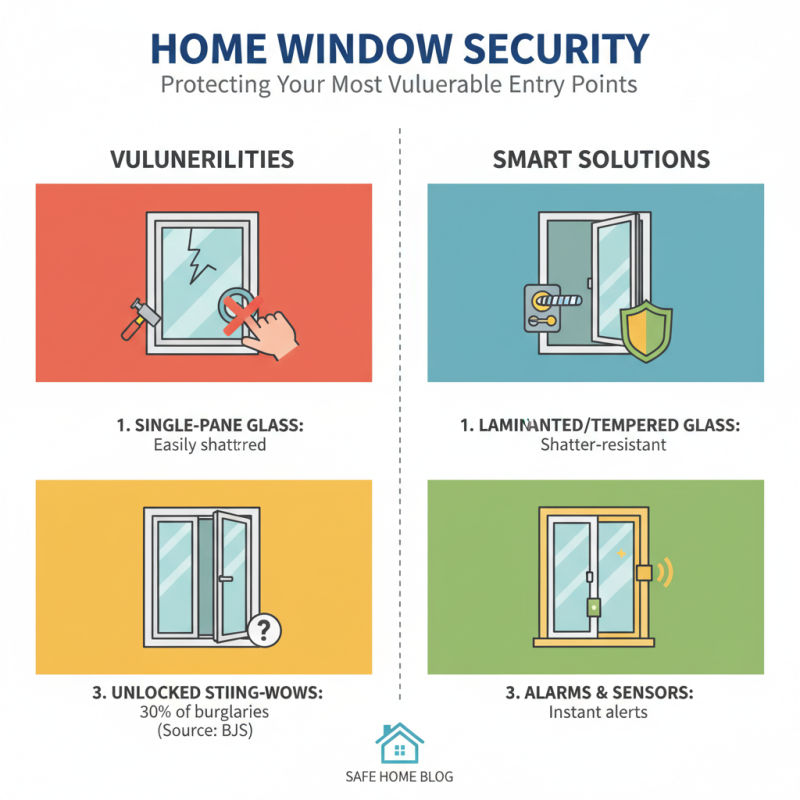
When it comes to home security, windows often become the most vulnerable points of entry for intruders. According to a report by the Bureau of Justice Statistics, approximately 30% of burglaries involve entry through an unlocked window. This statistic highlights the critical need for homeowners to prioritize window security. Understanding the vulnerabilities is the first step; from single-pane glass to inadequate locking mechanisms, many traditional window designs fail to provide the necessary protection against break-ins.
To enhance window security, homeowners should consider implementing a multi-layered approach. The National Institute of Justice suggests that installing laminated or tempered glass can significantly increase resistance to breakage. Additionally, leveraging window locks and security bars can deter potential intruders. A study by the Home Office in the UK indicates that properties with enhanced security measures, including secured windows, are 50% less likely to be burglarized. This underscores the importance of not only securing your windows but also regularly assessing their condition to ensure they provide adequate protection against both intrusion and environmental factors.
Assessing Your Current Window Security Measures
Assessing your current window security measures is a vital first step in ensuring that your home remains safe and secure. Begin by evaluating the physical condition of your windows. Look for any signs of wear and tear, such as cracked glass or weakened frames, which may compromise their integrity. Consider the quality of the window locks as well; effective locks should be sturdy and operate smoothly. If your windows are older models, they may lack modern security features that can enhance your safety.
Next, it's essential to assess the overall accessibility of your windows. Windows located on the ground floor or easily reachable areas are more vulnerable to break-ins. Consider adding deterrents such as window sensors or motion-activated lights that can alert you to any suspicious activity. Additionally, check whether your windows are obscured by shrubs or decorations that could provide cover for potential intruders. By understanding and improving the weaknesses in your window security, you can significantly enhance the protection of your home.
Choosing the Right Windows for Enhanced Safety
Choosing the right windows is a crucial step in enhancing the safety of your home. When selecting windows, consider materials that offer both strength and durability. For instance, reinforced glass is an excellent option as it is less susceptible to breakage, providing an added layer of security against potential intruders. Additionally, frames made from sturdy materials, such as vinyl or fiberglass, can withstand environmental stress and make forced entry more difficult.
Another important factor to consider is the window's design and locking mechanisms. Opt for double or triple-glazed windows which not only improve insulation but also present an added challenge for burglars to break. Look for windows that feature advanced locking systems, such as multi-point locks, which engage in several places across the window frame to provide enhanced security. Furthermore, ensure that windows are installed with proper fittings to eliminate any weak spots that could be exploited. By investing in high-quality windows that focus on safety features, homeowners can significantly reduce the risk of break-ins and increase their overall peace of mind.
Implementing Additional Security Features and Reinforcements
When it comes to securing your windows, implementing additional security features and reinforcements can drastically reduce the likelihood of break-ins. According to a report by the Bureau of Justice Statistics, approximately 30% of home burglaries occur through an unlocked window or door. Therefore, ensuring that windows are equipped with robust locking mechanisms is essential. Consider installing multi-point locking systems, which can be significantly more effective than traditional single locks. Additionally, reinforcing window frames with metal inserts can deter potential intruders by making it more difficult to force windows open.
Another important factor in window security is the choice of glass. Opting for tempered or laminated glass can increase resistance to breakage. A study by the American Society for Testing and Materials indicates that laminated glass provides both security and sound insulation, adding an extra layer of protection. For added reinforcement, use window security films that can hold shattered glass together, making it harder for thieves to enter.
Tips for enhancing window security also include using window sensors that can alert you to unauthorized access. Integrating these sensors with a home security system can provide peace of mind, especially when you’re away. Furthermore, adding window bars or grilles can serve as a visual deterrent, dissuading potential intruders from even attempting a break-in. By taking these steps, homeowners can significantly boost their home security and protect their families and belongings.
Window Security Levels by Reinforcement Type
Regular Maintenance and Inspection for Long-Term Security
Regular maintenance and inspection are crucial steps in ensuring the long-term security of your windows. First, it's essential to frequently check for any signs of wear and tear, such as cracks in the glass, damaged frames, or compromised seals. Such issues, if left unattended, can lead to energy loss, increased vulnerability to intruders, and potential water damage. Establishing a routine—perhaps once a season—to inspect all windows can help catch these problems early, ensuring they are addressed before they escalate.
Additionally, consider enhancing your window security through regular updates and improvements. This might involve tightening hardware, lubricating hinges, or applying weatherstripping to maintain insulation. Furthermore, cleaning the windows not only improves visibility but also allows for a better assessment of their condition. By taking these proactive measures, homeowners can significantly enhance the security of their windows and protect their living spaces from unwanted entry and environmental damage.