10 Essential Tips for Choosing UPVC Modern Windows for Your Home
When it comes to enhancing the aesthetics and energy efficiency of your home, choosing the right windows is crucial. Among the myriad of options available in today’s market, UPVC modern windows stand out due to their superior insulation properties, durability, and low maintenance requirements. This makes them an increasingly popular choice for homeowners looking to upgrade their living spaces. However, the selection process can be overwhelming, given the variety of styles, colors, and features on offer.
In this guide, we provide you with ten essential tips for selecting UPVC modern windows that not only complement the architectural style of your home but also meet your performance needs. From understanding thermal efficiency ratings to considering noise reduction benefits, our tips will empower you to make informed decisions that enhance both the comfort and value of your property. Whether you are renovating or building anew, investing in the right UPVC modern windows can transform your home into a more inviting and energy-efficient environment.
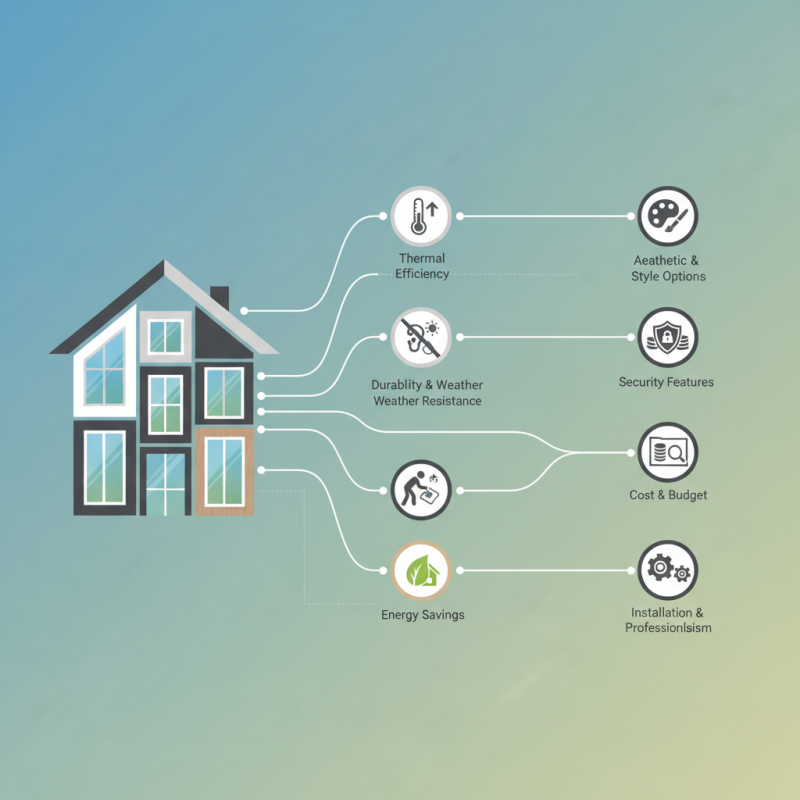
Understanding UPVC Windows and Their Benefits
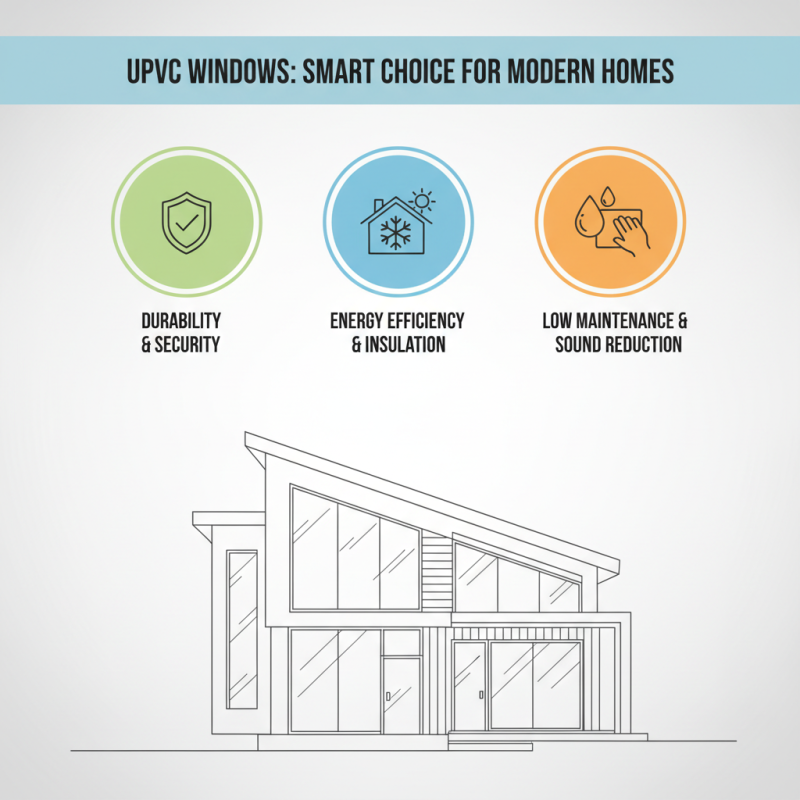
UPVC windows have gained popularity for their durability, energy efficiency, and low maintenance needs, making them an excellent choice for modern homes. Understanding the benefits of UPVC windows is crucial when considering an upgrade or replacement. These windows provide superior insulation, helping to keep your home warm in the winter and cool during the summer. They also offer excellent sound insulation, which is particularly advantageous for homes in noisy areas.
When choosing UPVC windows, consider the style and design that best fits your home’s architecture. A well-chosen window not only enhances the aesthetic appeal of your property but also improves its overall functionality. Ensure that the windows you select are energy-efficient and meet the necessary standards, as this can lead to significant savings on heating and cooling costs.
Another essential tip is to pay attention to the frame quality and the installation process. High-quality frames are vital for optimal performance and longevity. Additionally, proper installation guarantees that your windows will perform effectively while minimizing the risk of air and water leaks. By keeping these factors in mind, you can enjoy all the benefits UPVC windows have to offer while enhancing the comfort and value of your home.
Key Features to Consider When Choosing UPVC Modern Windows
When selecting UPVC modern windows for your home, several key features should guide your decision to ensure performance, aesthetics, and energy efficiency. One of the primary factors to consider is energy efficiency, which is essential for reducing heating and cooling costs. According to a report by the Glass and Glazing Federation, high-performance UPVC windows can achieve an energy rating of A+ with double or triple glazing, significantly improving overall thermal insulation. This can result in energy savings of up to 20-30% annually, making it a worthwhile investment.
Another critical aspect is the durability and maintenance of UPVC windows. Unlike traditional wood frames, UPVC does not warp, rust, or require repainting, offering a long lifespan with minimal upkeep. A study by the British Plastics Federation noted that UPVC windows can last over 30 years, providing both economic and environmental benefits. Additionally, consider the window design and style that complements your home's architecture. Customization options, including colors, finishes, and hardware, allow homeowners to achieve a seamless look, enhancing both curb appeal and property value. These factors combined create a balanced approach to selecting the right modern UPVC windows for your residence.
Comparing Styles and Designs of UPVC Windows for Your Home
When selecting UPVC windows for your home, understanding the various styles and designs can greatly enhance both aesthetics and functionality. UPVC windows come in a range of designs, including casement, sliding, and tilt-and-turn, each offering distinct advantages. For instance, casement windows provide excellent ventilation and unobstructed views, making them ideal for areas that require natural light. According to industry reports, the global UPVC window market is projected to reach $42.3 billion by 2026, reflecting the increasing popularity of these energy-efficient options among homeowners.
One essential tip when comparing styles is to consider your home's architecture. Traditional homes often benefit from sashes that mimic the look of wooden frames, while modern homes may favor sleek, minimalist designs. Additionally, color options have expanded significantly, allowing for customization that complements exterior decor. Industry experts recommend choosing a color that not only fits your style but also retains heat better, improving energy efficiency.
To ensure durability and performance, pay attention to insulation ratings. Look for UPVC windows with multi-chambered frames, as they provide superior insulation and soundproofing. The Energy Saving Trust indicates that high-performance windows can reduce energy costs by up to 30%, making them a worthwhile investment. Remember to consult professionals when measuring and installing to avoid common pitfalls that can affect overall performance.
Comparison of UPVC Window Styles and Their Popularity
Evaluating Energy Efficiency Ratings of UPVC Windows
When selecting UPVC modern windows for your home, evaluating their energy efficiency ratings is crucial for ensuring long-term savings and comfort. Energy efficiency ratings typically include the U-value, which measures the window's insulating properties. A lower U-value indicates better insulation, meaning that the window will reduce heat loss in winter and keep your home cool in summer. Look for windows with a U-value of 1.6 W/m²K or lower for optimal performance.
Another important aspect to consider is the Window Energy Rating (WER), which provides an overall performance measure based on various factors, including thermal efficiency and solar gain. Windows with high energy ratings (A++ or A+) are designed to offer excellent energy performance, helping to lower your energy bills while also contributing to a more sustainable living environment. Checking for these ratings before making a purchase ensures that you're investing in windows that not only enhance the aesthetic appeal of your home but also deliver significant energy savings in the long run.
10 Essential Tips for Choosing UPVC Modern Windows for Your Home - Evaluating Energy Efficiency Ratings of UPVC Windows
| Feature |
Description |
Energy Efficiency Rating |
Estimated Lifespan |
| Frame Material |
UPVC offers a durable and low-maintenance option. |
A+ (highest efficiency) |
30 years |
| Glazing Options |
Double or triple glazing can enhance insulation. |
A+ to A++ |
20 years |
| Seals and Gaskets |
Quality seals prevent air leaks, improving efficiency. |
B |
15 years |
| Window Style |
Different styles (casement, sash) have unique efficiency. |
Varies |
20-25 years |
| Installation Quality |
Proper installation is key to achieving energy ratings. |
Depends on installer |
N/A |
| Frame Color |
Color options can affect heat absorption in sunlight. |
No impact on efficiency rating |
N/A |
| Noise Reduction |
UPVC can provide sound insulation benefits. |
A |
20 years |
| Maintenance |
Minimal required, just periodic cleaning. |
N/A |
N/A |
| Warranty |
Long warranties can indicate quality and durability. |
N/A |
N/A |
| Cost |
Higher initial investment often leads to savings. |
N/A |
N/A |
Budgeting and Cost Considerations for UPVC Modern Windows
When budgeting for UPVC modern windows, it's essential to consider various cost factors that affect the overall investment. According to the Fenestration and Glazing Industry Alliance, homeowners can expect to pay between $400 to $800 per window for mid-range UPVC options. This price range typically includes not just the product itself but also the installation costs, which can represent a significant portion of the overall expense.
It's crucial to account for these costs when planning your home improvement budget.
Beyond the initial purchase price, ongoing maintenance costs should also be factored in. UPVC windows are known for their durability and low maintenance needs, which can save homeowners money in the long run. A report from the Retrofit Academy indicates that while the capital expense may be higher initially compared to traditional materials, the long-term savings from reduced energy bills—
UPVC windows can improve energy efficiency by up to 30%—make them a cost-effective choice. Moreover, their lifespan averages around 25 years, which further enhances their value proposition as a worthwhile investment in your home’s future.