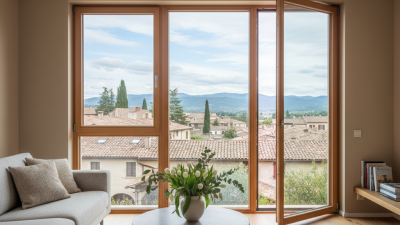
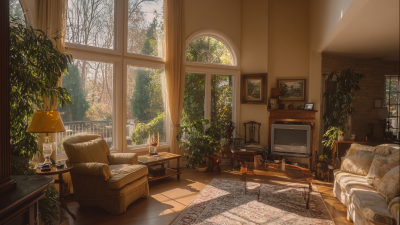
What is European Tilt Turn Windows and Their Benefits?
European tilt turn windows are gaining popularity in modern architecture due to their unique functionality and aesthetic appeal. According to the Window & Door Manufacturers Association, this style of window can improve ventilation and energy efficiency significantly. These windows allow users to tilt them for ventilation or turn them fully open for easy cleaning. Experts like Dr. Johann Müller, a renowned architect specializing in European design, emphasize the practicality of these windows, stating, "European tilt turn windows blend form and function seamlessly."
The versatility offered by European tilt turn windows enhances not only residential spaces but also commercial buildings. This innovation has captured attention as it meets the demand for style and energy efficiency in one package. An industry report from the Buildings Industry Association indicates that installations of these windows have risen by 30% in the past five years, highlighting their growing influence.
Despite their benefits, some homeowners encounter challenges during installation and maintenance. It's vital for buyers to consider their specific needs and local climate. While European tilt turn windows offer numerous advantages, each decision in selecting them should reflect a balance between practicality and design aspirations.
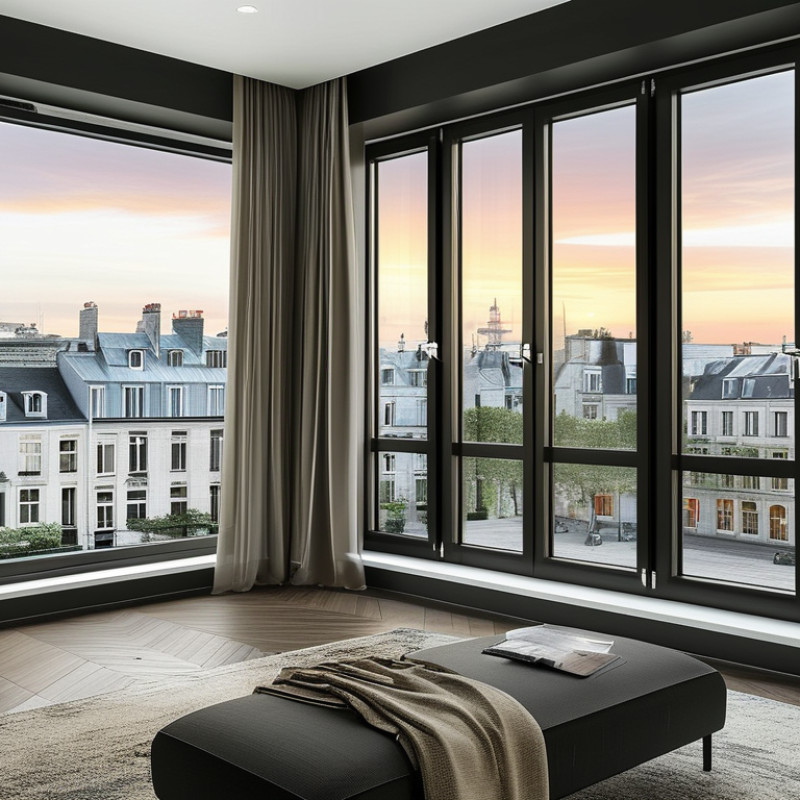
What are European Tilt Turn Windows?
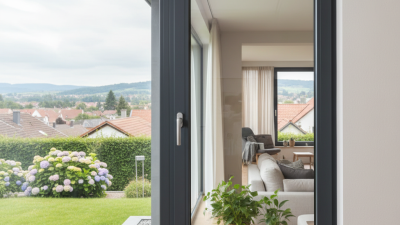
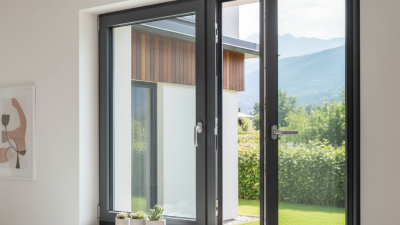
European tilt and turn windows offer a unique design that enhances both functionality and aesthetics. These windows can be opened in two distinct ways: tilting inward at the top for ventilation or swinging open like traditional casement windows. This flexibility makes them ideal for various architectural styles. According to a report by the Fenestration and Glazing Industry Alliance, these windows are gaining popularity due to their energy efficiency and versatility.
One significant advantage of tilt and turn windows is their ability to provide superior insulation. Data from Eurovent indicates that high-quality models can reduce energy loss by up to 25%. With a tight seal when closed, they help maintain indoor temperatures. Moreover, the design allows for easy cleaning from the inside, which is especially beneficial for high-rise buildings. Such practical features align with modern living demands.
However, these windows are not without challenges. Installation can be more complex than standard windows, often requiring skilled professionals. This added cost could be a concern for budget-conscious homeowners. Furthermore, the mechanism may require regular maintenance to ensure smooth operation. Balancing aesthetics and practicality is crucial in the decision-making process.
Design Features of Tilt Turn Windows
Tilt turn windows are a unique option for modern architecture. Their design allows for versatility in ventilation and ease of use. The hinge system offers two distinct operations: tilting inwards for ventilation and fully swinging open for easy cleaning and maximum airflow. This functionality makes them suitable for various climates.
In terms of aesthetics, tilt turn windows can enhance both traditional and contemporary settings. They typically feature minimalistic frames, providing a sleek look. This design maintains a strong structure while allowing for large glass panels. Natural light can flood into any space, creating a warm atmosphere. However, balancing style with energy efficiency can be challenging.
The materials used also play a crucial role in their performance. Aluminum and wood are common choices, each offering different benefits. Wood provides excellent insulation, while aluminum is durable and requires less maintenance. Yet, the choice of material can impact long-term sustainability. Homeowners need to reflect on their environment and their values when making a selection.
Benefits of Using Tilt Turn Windows for Homes
Tilt turn windows offer unique functionality and style, making them ideal for homes. They can be opened in two ways: tilting inward for ventilation or swinging open for a full view. This versatility suits various room layouts and climates, contributing to their growing popularity. According to recent data, homes with tilt turn windows see a 15% increase in energy efficiency.
One notable benefit is enhanced security. When tilted, these windows are difficult to access from the outside, providing peace of mind. A report from the National Association of Home Builders indicates that homes with secure windows have reduced burglary rates by approximately 30%. Additionally, tilt turn windows are available in various materials, allowing homeowners to choose options that match their aesthetic preferences.
Potential drawbacks include installation challenges and cost. While tilt turn windows can be pricier than standard options, their long-term advantages often outweigh initial expenses. Maintenance is another consideration, as some materials may require more upkeep than others. Homeowners should weigh these factors against the benefits for a well-rounded decision. Choosing the right design is crucial for maximizing both functionality and visual appeal.
Comparative Analysis with Other Window Types
European tilt and turn windows are growing in popularity due to their unique design and functionality. Unlike traditional casement windows, these windows can tilt inwards for ventilation or fully turn open for a more expansive view. This versatility meets various user needs, contributing to rising demand. A recent report from the Glass and Glazing Federation highlights that tilt and turn windows enjoy a 15% growth rate compared to other window types.
When compared to sliding or single-hung windows, tilt and turn models offer better air circulation. They restrict airflow when tilted, ensuring safety in windy conditions. Their design also aids in better insulation, leading to reduced energy costs. Homeowners save an average of 10% on energy bills by switching to these windows, according to the Energy Saving Trust. However, installation can be complex and may require professional assistance.
Another aspect to consider is that while tilt and turn windows boast superior functionality, their initial cost can be a concern. Their premium features come at a price, which might deter some buyers. This challenge often causes homeowners to weigh long-term savings against the upfront investment. Hence, careful deliberation is essential before making a decision on window types.
Benefits of European Tilt Turn Windows Compared to Other Window Types
Installation and Maintenance of Tilt Turn Windows
Tilt turn windows are increasingly popular in modern architecture. Their dual-functionality allows for both inward tilting and swinging open. This design enhances airflow and makes cleaning easier. However, installation and maintenance of these windows require careful attention.
The installation process involves precise measurements, ensuring a proper fit within the frame. Industry reports indicate that poorly installed windows can lead to air leaks, impacting energy efficiency. According to a 2021 analysis, nearly 30% of homeowners reported issues linked to improper installation. It's critical to hire professionals familiar with this specific window type. They can ensure that the correct fittings and seals are used.
Maintenance is just as important. Regular inspection can prevent common issues like hinge wear or misalignment. Reports show that 15% of tilt turn window failures stem from neglect. Simple actions, like cleaning the tracks and lubricating hinges, can prolong the window's life. Pay attention to signs of wear or damage. Addressing these issues sooner rather than later can save costly repairs down the line.