Best Folding Container House Solutions for Global Buyers?
As urbanization accelerates worldwide, innovative housing solutions are critical. The Folding container house has gained traction for its efficiency and versatility. According to a market report by Research And Markets, the global portable and modular buildings market is projected to reach $1.19 billion by 2025, driven by urban housing demands.
Folding container houses offer remarkable adaptability. They can serve as homes, offices, or temporary shelters. With growing environmental concerns, these structures often feature sustainable designs. Yet, buyers must navigate challenges like zoning regulations and potential structural limitations.
Despite their advantages, folding container houses are not without flaws. Some designs may lack durability against extreme weather. It's vital for buyers to weigh their options carefully. Understanding local building codes and personal needs is essential when choosing the right container solution. The overall appeal remains strong, reflecting an exciting era for housing innovation.
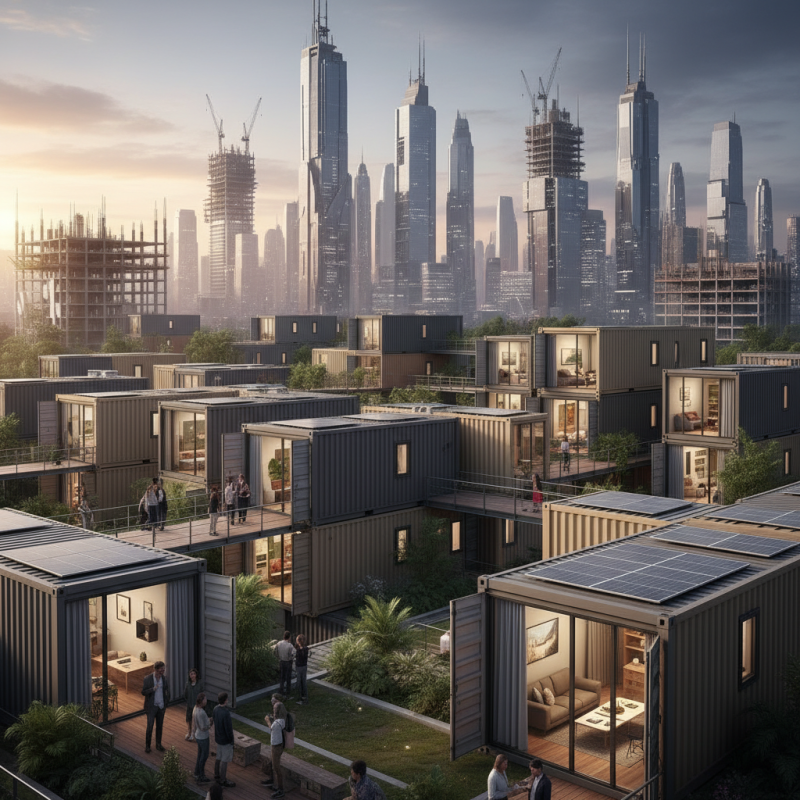
Advantages of Folding Container Houses for Global Buyers
Folding container houses offer numerous advantages for global buyers. They are versatile structures that can adapt to various needs. These houses are lightweight and easy to transport. This flexibility allows for quick setup in diverse environments, making them ideal for temporary or permanent housing solutions.
Cost-effectiveness is another significant benefit. Compared to traditional building methods, folding container houses save time and labor costs. Their modular design simplifies construction, allowing for efficient use of materials. However, one must be mindful of potential limitations in insulation and customization options. Finding the right balance between cost and comfort can be challenging.
Sustainability is a growing concern for buyers. Folding container houses often utilize recycled materials, minimizing environmental impact. They can be designed for energy efficiency, promoting a greener lifestyle. Yet, it is crucial to consider local regulations and land use. Understanding these factors can lead to smarter, more effective choices in housing solutions.
Key Features to Consider When Choosing Folding Container Solutions
When choosing folding container house solutions, several key features demand attention. One vital aspect is insulation. Proper insulation affects energy efficiency and comfort. Look for containers designed with durable insulation materials to keep the interior warm in winter and cool in summer. Quality insulation can significantly impact heating and cooling costs.
Another consideration is modularity. A good folding container solution should offer flexibility in design. Buyers often desire customizable layouts to adapt to various needs. Modular designs allow for easy expansions or reconfigurations. This adaptability means that as requirements change, the living or working space can too.
Durability is essential in folding container houses. Many containers face harsh weather conditions. Selecting models made from corrosion-resistant materials enhances longevity. However, not all designs are created equally. Inspecting structural integrity and material quality helps identify potential vulnerabilities. It's crucial to think about the long-term viability of the solution, especially if the usage period is extended. Should issues arise, having a reliable after-sale service adds peace of mind.
Top Manufacturers of Folding Container Houses Worldwide
Folding container houses are gaining popularity among global buyers. These structures offer flexibility, affordability, and environmental advantages. Many top manufacturers are leading the market with innovative designs and durable materials.
Manufacturers focus on quality and sustainability. They often use eco-friendly materials and energy-efficient technologies. This not only reduces the carbon footprint but also enhances the living experience. Buyers frequently seek customizable options to fit their unique needs. Some manufacturers provide modular designs that can be easily expanded or reconfigured. Yet, quality control can be inconsistent across different suppliers. Choosing a reliable manufacturer requires thorough research and reviews.
Examining the production processes of these manufacturers reveals a range of standards. In some cases, the materials may not meet expectations, raising concerns for potential buyers. Buyers may also face challenges related to local regulations. Adapting folding container houses to specific areas is crucial and can be tricky. Therefore, buyers should engage with manufacturers that understand local codes and requirements. This approach promotes easier integration and better results.
Sustainability and Cost-Effectiveness of Folding Container Solutions
Folding container houses have gained attention for their sustainability and cost-effectiveness. These innovative structures use repurposed containers, reducing waste and promoting eco-friendliness. The durability of containers contributes to lower lifetime costs, making them appealing for various buyers. They can be easily transported, offering flexibility for both residential and commercial needs.
When considering a folding container house, think about the location. A well-chosen site can enhance aesthetic appeal and energy efficiency. Local climate can also impact design choices. For instance, insulation is crucial in cooler regions. Proper ventilation is essential in warmer areas to promote airflow and reduce energy consumption.
Tips: Investigate local building regulations before purchasing. Compliance with laws will save time and money. Consider modular designs for quicker assembly. This can also allow for scalability in the future. A flexible floor plan can accommodate changing needs. It's vital to reflect on potential challenges, such as securing financing or finding suitable contractors. Planning ahead can make the process smoother.
Customization Options for Folding Container Houses for Diverse Needs
Folding container houses offer versatile solutions, especially with their customization options. This adaptability allows buyers to cater to various needs. For instance, some may require a compact version for urban living, while others seek larger spaces for communal activities.
Customization can extend to the interior layout, emphasizing flexibility. Buyers can choose room configurations that suit family sizes or specific functions. Adding energy-efficient systems or aesthetic elements can also enhance comfort and sustainability. Buyers often reflect on their choices, considering how to balance personal taste with practical requirements.
The additional feature of extendable sections allows for scalability. This means the same structure can grow as needs change. However, assessing the long-term viability of materials is essential. Choices made today impact future use. Customization is about making thoughtful decisions that will stand the test of time.
Best Folding Container House Solutions for Global Buyers
| Dimension | Material | Customization Options | Use Case | Price Range (USD) |
| 20 ft x 8 ft x 8.5 ft | Steel | Insulation, Paint, Roof Options | Temporary Housing | $3,000 - $5,000 |
| 40 ft x 10 ft x 9.5 ft | Aluminum | Interior Layout, Windows, Doors | Office Space | $5,000 - $8,000 |
| 10 ft x 8 ft x 8 ft | Wood | Finishing, Color, Flooring | Retail Space | $2,000 - $4,000 |
| 32 ft x 8 ft x 9.5 ft | Composite | Eco-Friendly Options, Custom Design | Workshops | $6,000 - $9,000 |
| 20 ft x 10 ft x 8.5 ft | Corten Steel | Solar Panels, Plumbing | Emergency Shelter | $4,000 - $7,000 |

