How to Properly Maintain and Operate Tilt Windows in 2025: A Complete Guide
As the demand for energy-efficient and user-friendly architectural features continues to rise, tilt windows have gained popularity in residential and commercial properties alike. A recent industry report from the Window and Door Manufacturers Association (WDMA) highlights that tilt windows can improve ventilation while reducing energy costs by up to 30%, making them an essential consideration for new constructions and renovations in 2025. As these windows become increasingly commonplace, understanding their maintenance and operation is vital for ensuring longevity and functionality.
Industry expert John Richards, a renowned window technology analyst, emphasizes the importance of proper usage, stating, "Tilt windows not only enhance aesthetic appeal but, when maintained correctly, can also significantly prolong their lifespan and efficiency." His insights underline the necessity of regular inspection and maintenance practices that empower homeowners and building managers to get the most out of their tilt windows.
This comprehensive guide aims to equip users with the knowledge and tools they need to efficiently maintain and operate tilt windows, ensuring they remain both functional and visually appealing for years to come. As we delve into the best practices for tilt window care in 2025, it is crucial to consider both the technical aspects and user habits that contribute to their optimal performance.

Essential Features of Tilt Windows for Optimal Performance in 2025
Tilt windows are gaining popularity in 2025 due to their unique design and enhanced functional benefits. One essential feature of tilt windows is their ease of cleaning. The ability to tilt inward allows homeowners to effortlessly clean both sides of the glass, making maintenance simpler and improving visibility. This feature not only saves time but also ensures that the windows remain in optimal condition, enhancing the home's overall aesthetic.
Another important characteristic is the thermal efficiency of tilt windows. In 2025, advances in insulation technologies have made these windows an excellent choice for energy conservation. With double or triple glazing options, tilt windows help to minimize heat loss and maintain comfortable indoor temperatures year-round. This feature not only contributes to lower energy bills but also supports a more sustainable living environment.
**Tips:** To maximize the performance of tilt windows, regularly check the seals and weather stripping to prevent drafts. Cleaning the hinges and mechanisms periodically will also enhance functionality. Lastly, consider applying a protective coating on the glass to reduce the buildup of dirt and grime, ensuring clarity and longevity.
Essential Features of Tilt Windows for Optimal Performance in 2025
Step-by-Step Guide to Cleaning and Maintaining Tilt Windows Effectively
Cleaning and maintaining tilt windows is essential for ensuring their longevity and functionality. To begin, gather the necessary supplies: a soft cloth or microfiber towels, a gentle window cleaning solution, a squeegee, and a small brush for cleaning hard-to-reach areas. Start by tilting the window inward, which allows easy access to both sides of the glass. Use the cleaning solution on the cloth and wipe down the glass surfaces, making sure to remove any dirt or stains.
Next, focus on the window frames and tracks. Dust and debris can accumulate here, leading to operational issues over time. Use the small brush to dislodge any buildup in the tracks and frames, followed by a damp cloth to wipe everything down. It's important to check the hinges and locks while you're at it; applying a light lubricant can help keep these mechanisms functioning smoothly. Regular maintenance, ideally every few months, will ensure that your tilt windows remain easy to operate and maintain their clarity for years to come.
Understanding Energy Efficiency Ratings for Tilt Windows in 2025
Energy efficiency has become a crucial consideration in the design and operation of tilt windows, especially in the context of sustainable building practices in 2025. Understanding energy efficiency ratings for tilt windows involves looking at several key metrics, such as U-factor, Solar Heat Gain Coefficient (SHGC), and Visible Transmittance (VT). The U-factor measures the rate of heat transfer; lower values indicate better insulation. According to the U.S. Department of Energy's latest report, windows with a U-factor of 0.30 or lower are recommended for homes in most climates, ensuring minimal heat loss during colder months.
Meanwhile, the SHGC reflects how much solar radiation is transmitted through the window, which impacts indoor temperatures. In warmer climates, a lower SHGC is advantageous, as it reduces cooling costs. Industry studies suggest that tilt windows designed for maximum energy efficiency should ideally have an SHGC value below 0.25 to help maintain comfortable indoor climates without the excessive reliance on air conditioning systems. Furthermore, the latest trends in window technology emphasize the importance of energy-efficient glazing and advanced frame materials, which significantly enhance the overall thermal performance of tilt windows, aligning with the growing demand for eco-friendly building solutions.
As homeowners increasingly prioritize green building standards, understanding these efficiency ratings will not only aid in selecting the right tilt windows but also contribute to lower energy bills and a reduced carbon footprint. Reports indicate that homes equipped with energy-efficient windows can save up to 30% on energy costs annually, demonstrating the tangible benefits of investing in high-performance tilt windows.
How to Properly Maintain and Operate Tilt Windows in 2025: A Complete Guide
| Aspect |
Details |
Energy Efficiency Rating |
Maintenance Tips |
| Material |
Vinyl, Wood, Aluminum |
U-Value: 0.30 |
Regular cleaning and inspection |
| Sealing |
Weather strips, Caulking |
R-Value: 3.50 |
Check seals annually |
| Operation |
Tilt-in, Sliding |
Energy Star certified |
Lubricate hinges and tracks |
| Glazing |
Double-pane, Low-E |
SHGC: 0.25 |
Inspect for condensation |
| Installation |
Professional vs DIY |
Impact on efficiency |
Ensure level and square |
Common Issues with Tilt Windows and How to Troubleshoot Them
Tilt windows offer excellent ventilation and ease of cleaning, but they can present unique challenges. According to a report from the Window & Door Manufacturers Association (WDMA), 15% of homeowners experience operational issues with tilt windows in their first five years. Common problems include difficulty in locking, misalignment, and sealing failures. These issues often arise from improper installation or lack of maintenance, emphasizing the importance of regular checks and adjustments to ensure optimal performance.
To troubleshoot these problems, homeowners should first conduct a visual inspection. Misalignment can usually be rectified by adjusting the hinge mechanisms. If locking difficulties persist, it may indicate worn-out latches or tracks, which can be addressed with lubrication or replacement. Furthermore, seals that appear worn or damaged should be carefully replaced to prevent air and water infiltration, as studies indicate that up to 20% of energy loss in a household can be attributed to window inefficiencies. Regular cleaning and maintenance—such as washing the windows and checking drainage systems—can significantly reduce the likelihood of these common issues, enhancing both functionality and longevity.
The Impact of Weather on Tilt Window Operation and Maintenance Techniques
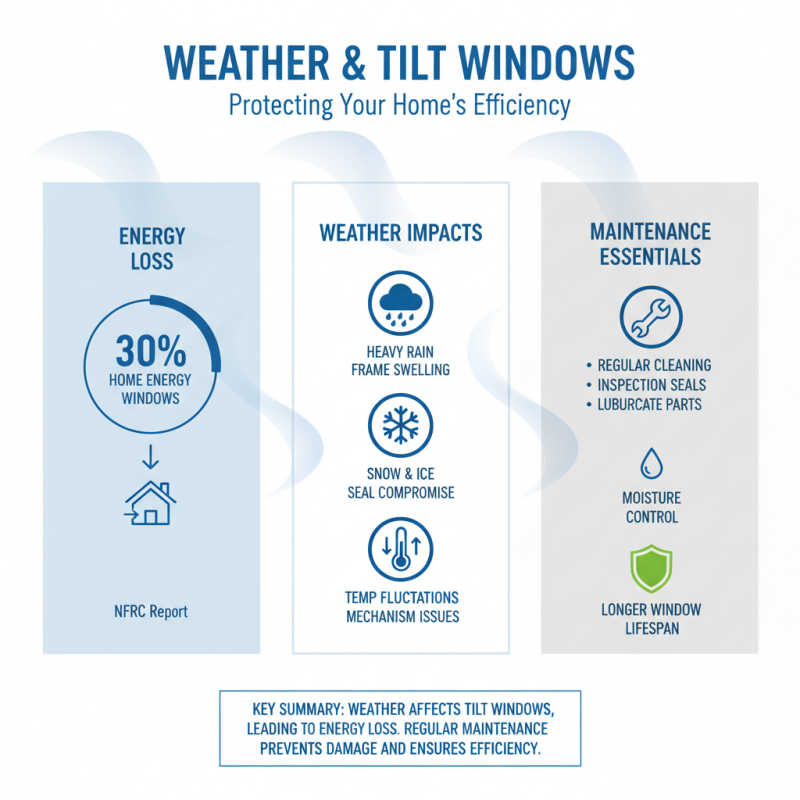
Weather plays a crucial role in the operation and maintenance of tilt windows, and understanding this relationship is essential for homeowners and maintenance professionals alike. According to a report by the National Fenestration Rating Council (NFRC), windows can account for up to 30% of a home's energy loss, highlighting the importance of ensuring their proper functionality. Tilt windows, designed for easy cleaning and ventilation, can become susceptible to weather extremes such as heavy rain, snow, and fluctuating temperatures. For instance, excessive moisture can lead to swelling in the window frame, impeding the smooth operation of tilt mechanisms and compromising airtight seals.
Moreover, the impact of seasonal weather changes necessitates regular maintenance to prevent deterioration. A study by the American Society of Home Inspectors revealed that nearly 20% of window-related issues stem from improper maintenance techniques during harsh weather conditions. Homeowners should inspect and clean the window tracks regularly, especially after severe storms, to remove debris that can accumulate and obstruct movement. Additionally, applying weather-stripping can mitigate air leaks caused by thermal expansion and contraction, as temperature changes can lead to material stress. By adopting proactive maintenance strategies informed by the specific environmental challenges, homeowners can enhance the longevity and efficiency of their tilt windows.