10 Tips for Choosing Safe Windows for Global Buyers?
Choosing safe windows for global buyers requires more than comparing prices, frame colors, or attractive energy labels. A window must protect occupants, support the building envelope, and perform under local weather conditions. The International Energy Agency reports that buildings consume about 30% of global final energy and create roughly 26% of energy-related emissions. Glass and frames influence both figures, especially in heavily cooled or heated buildings.
Safety also depends on details buyers can see and verify. Consider laminated or tempered glass, secure hardware, impact resistance, drainage paths, and tested thermal performance. NFRC ratings can help compare U-factor, solar heat gain, and visible transmittance. However, labels are not enough. Installation quality matters. A well-rated window can still leak beside a poorly sealed concrete opening.
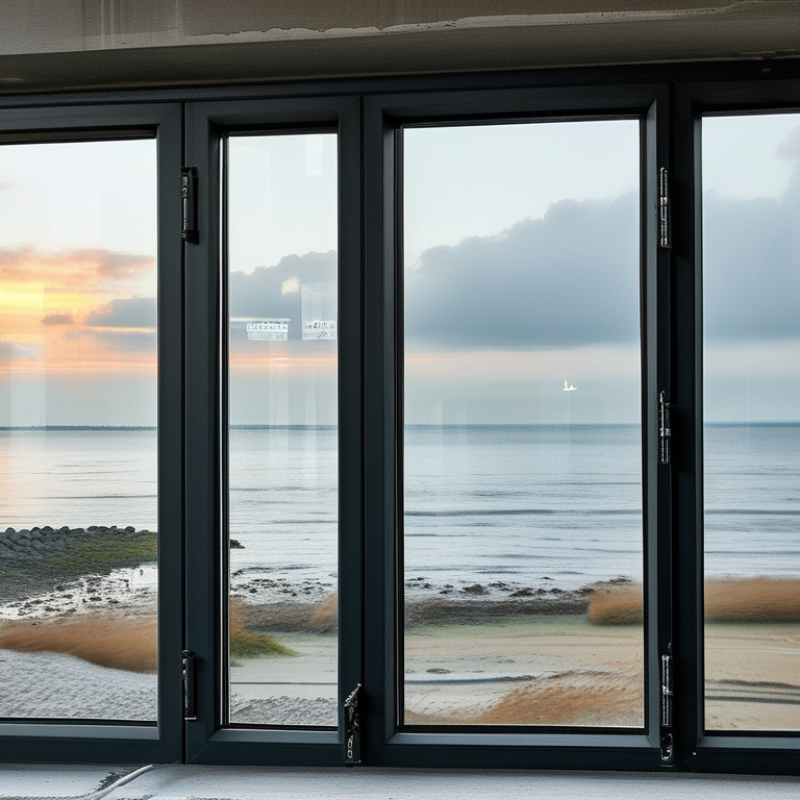
Dr. Helen Sanders, a recognized fenestration industry specialist, states, “Window performance must be evaluated as part of the whole building, not as an isolated product.” That principle deserves attention. Climate, orientation, wind exposure, occupancy, and maintenance conditions can change the safest choice. A coastal apartment may need corrosion-resistant hardware, while a cold-climate home may need stronger edge insulation. Small details matter.
This guide presents ten practical tips for selecting safe windows across international markets. It will examine certification, glass composition, ventilation, emergency escape, supplier transparency, and installation support. Some recommendations may appear obvious. They are often ignored. Buyers should also question incomplete data, because “tested” does not always mean “suitable.” Safe windows are not simply purchased; they are specified, verified, and installed with care.
Define Safety Standards for Windows in Different Global Markets
Safe windows cannot be defined by one global checklist. Each market measures risk differently. In the United States, safety glazing commonly follows ANSI Z97.1 and CPSC 16 CFR 1201 impact requirements. European projects often reference EN 12600 pendulum-impact classifications. Australia uses AS 1288 for glass selection and installation. These standards address breakage, human impact, and hazardous locations, but their test methods are not identical.
Details matter on site. A low sill beside a child’s bed needs different protection from a high office window. Specify laminated or properly rated tempered glass where impact risk is present. Check opening restrictors, emergency escape dimensions, guard heights, and hardware strength. Ask for test reports, not only supplier declarations. The 2023 Global Status Report for Buildings and Construction notes that building operations create about 26% of global energy-related emissions. Therefore, glazing decisions should also consider thermal performance, condensation, and indoor comfort. Safety should not be separated from daily use.
Standards can still leave gaps. A window may pass an impact test yet fail after poor installation or repeated hardware use. The World Health Organization reports about 684,000 fatal falls globally each year, although not all involve windows. This figure reinforces the need for practical risk assessment. Review local building rules, climate exposure, user behavior, and maintenance access before approval. Small details matter. A missing restrictor can change the risk completely. My own view is cautious: certification proves tested performance, not perfect performance in every building.
Evaluate Glass Strength, Frame Quality, and Structural Performance
For global buyers, glass strength should match the building’s exposure. Tempered glass breaks into smaller fragments, while laminated glass can remain attached after impact. ASTM E1300 provides design methods for glass under wind loads. Ask for test evidence, not only a thickness claim. A 6 mm pane may perform poorly if its dimensions, edge support, or wind pressure are unsuitable. Small details matter.
Frame quality controls more than appearance. Check welded or mechanically joined corners, drainage paths, gasket compression, and corrosion resistance. The U.S. Department of Energy reports that windows can account for about 25–30% of residential heating and cooling energy use. Poor seals can increase drafts and moisture risks, even when the glass has a low U-factor. Thermal numbers alone can mislead.
Structural performance needs documented testing. Look for air leakage, water penetration, and wind-load results under recognized standards, such as AAMA/WDMA/CSA 101 or EN 12207 and EN 12208. National fenestration rating guidance also separates U-factor, solar heat gain coefficient, and visible transmittance; these values describe different behaviors. Do not treat one rating as a complete safety measure. I have seen attractive frames fail at corners after repeated movement. That weakness is easy to miss. Confirm installation tolerances, anchor spacing, drainage design, and local wind-zone calculations before approval. Specification sheets may still contain gaps. Review them with an independent engineer when project risk is high.
Verify Manufacturer Certifications, Testing Reports, and Product Compliance
Safe windows begin with evidence, not attractive photographs. Ask the manufacturer for current certifications, laboratory testing reports, and product compliance records. Check the issuing organization, certificate number, test date, and covered product models. A certificate can look convincing and still be outdated.
Testing reports should describe air leakage, water resistance, wind pressure, thermal performance, and impact resistance when relevant. Read the tested dimensions carefully. A report for a small fixed window may not support a large sliding unit. The frame material, glass type, hardware, and installation method should match your quotation.
Small differences matter. I once reviewed a report where the tested glass thickness differed from the proposed unit. That gap needed clarification.
Confirm that compliance documents match the destination market and building conditions. Coastal projects may require stronger corrosion protection. Cold regions need suitable thermal values and sealed glazing. Request installation instructions, maintenance guidance, and batch traceability.
Independent verification adds confidence when the order is large or technically complex. Do not accept vague statements such as “international standard” without a named standard and test scope.
Documents can be incomplete. That is worth admitting. A careful buyer should contact the testing laboratory directly when records seem unclear, dates conflict, or model numbers do not align. Keep every revision, approval, and written response in one project file.
Compare Suppliers, Warranties, Installation Services, and After-Sales Support
When choosing safe windows for global projects, compare suppliers beyond catalog photos. A reliable supplier should provide clear product specifications, tested performance data, and traceable material information. Ask how frames, glass, locks, and seals perform in your climate. Coastal homes may need stronger corrosion resistance, while cold regions demand better thermal insulation. Request recent test reports, not copied screenshots. Small details matter.
Check the warranty line by line. Confirm coverage periods for glass, hardware, finishes, and installation workmanship. Ask who pays for replacement shipping and whether labor is included. I once saw a buyer accept a long warranty that excluded the most commonly damaged components. That mistake was expensive. A short, specific warranty can be more trustworthy than a broad promise.
Installation support deserves equal attention. Ask whether the supplier provides drawings, fixing guidance, remote training, or local installation partners. Measure the opening twice, especially before production begins. After delivery, confirm how claims are handled, how quickly support responds, and whether spare parts remain available. Keep photos, invoices, measurements, and inspection records. They make disputes easier to resolve. However, supplier promises are not enough; local building requirements and site conditions still need professional review. I would also compare two or three written quotations, because the cheapest option may omit flashing, drainage parts, or protective packaging. Mistakes happen, and a supplier’s response often reveals more than its sales presentation.