10 Best Air Picks for Global Buyers?
Choosing the right Air Picks can feel surprisingly difficult for global buyers. Product pages often promise cleaner air, quieter rooms, and effortless travel. Real-world performance is less tidy. A compact purifier may fit beside a hotel bed, yet struggle in a large living room.
This guide examines ten carefully selected Air Picks for different spaces, budgets, and routines. The selection considers measurable details, including clean air delivery rate, filtration stages, noise levels, power compatibility, and replacement-filter availability. These factors matter across borders. A device designed for one voltage system may need a certified adapter elsewhere. Filter costs can also change sharply between regions.
Practical testing remains important. We look at how products perform near cooking odors, dusty windows, and busy bedrooms. We also consider user manuals, warranty support, safety certifications, and transparent manufacturer claims. Independent testing is valuable, but no single number tells the whole story. CADR results may come from controlled laboratories, not a crowded apartment.
Some choices will suit frequent travelers. Others make more sense for families, offices, or allergy-sensitive users. Not every recommendation will fit every country. That is worth admitting. Availability, import duties, local standards, and service networks can alter the final value.
Good air tools should support informed decisions, not create unnecessary fear. This article offers practical comparisons and realistic expectations. Check local requirements before buying. Small details matter.
What “Air Picks” Mean: Key Product Categories for Global Buyers
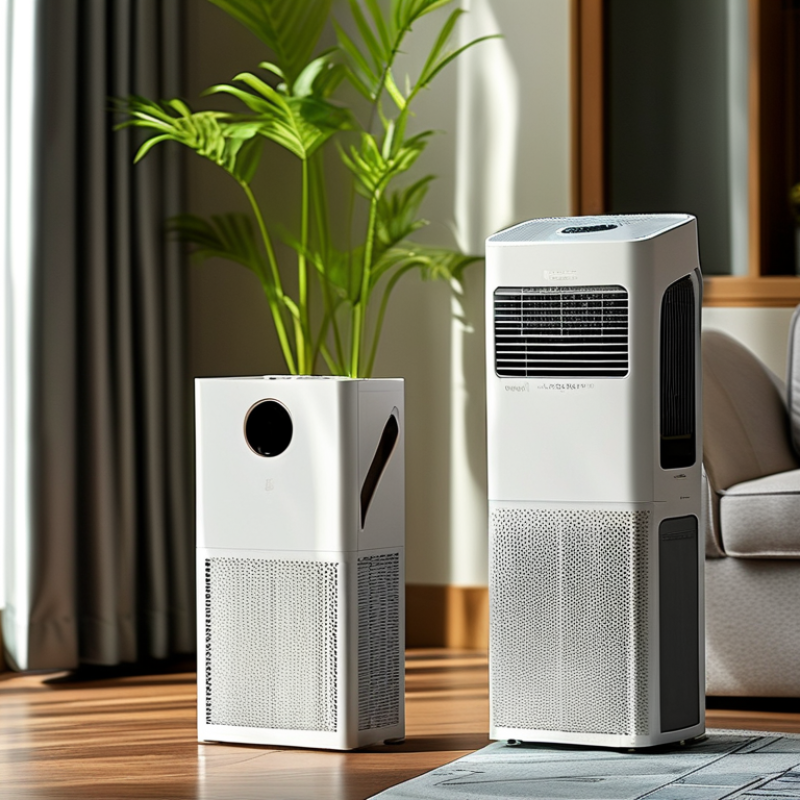
“Air picks” refers to products that manage, move, measure, or improve indoor air. For global buyers, the term covers ten practical categories: air purifiers, replacement filters, fans, air circulators, humidifiers, dehumidifiers, ventilation units, air quality monitors, portable air conditioners, and electric inflators. These products serve different needs. A purifier targets airborne particles, while a dehumidifier reduces excess moisture. A monitor only measures conditions; it does not improve them.
Start with the air itself. Check room size, climate, noise level, and maintenance demands before comparing prices. Purifier performance should match the room, not just the advertising claim. A washable pre-filter may reduce long-term waste, but it still needs regular cleaning. For humidifiers and dehumidifiers, inspect water handling, automatic shutoff, and mold-control features. A quiet fan can matter more than maximum airflow in a bedroom.
Global purchasing adds technical risks. Confirm voltage, plug type, frequency, and local service support. Filter availability is equally important, especially in smaller markets. Look for clear testing methods, safety documentation, warranty terms, and realistic energy data. Product labels can be incomplete. I have seen specifications that sound precise but omit operating conditions. That deserves caution. Climate also changes the best choice; a dry inland home and a damp coastal apartment rarely need the same air solution. Budget for filters, cleaning, electricity, and possible adapters before calling any product a best pick.
10 Best Air Picks for Global Buyers
What “Air Picks” mean: key product categories for global buyers, compared by indicative typical retail price in USD.
The comparison covers widely purchased air-related products, including air treatment, climate control, ventilation, and air-quality monitoring. Price figures are indicative category-level retail ranges and vary by capacity, specifications, region, and energy efficiency.
How to Evaluate Air Picks by Performance, Safety, and Value
Choosing among the 10 best air picks requires more than comparing price tags. Performance starts with impact energy, stroke rate, and tool weight. Match these figures with your compressor’s pressure and airflow capacity. An impressive tool may perform poorly with an undersized compressor.
In practical use, control matters as much as force. Look for a comfortable grip, manageable vibration, and a responsive trigger. A lighter model can reduce fatigue during overhead work. Safety deserves equal attention. Check for secure hose fittings, suitable noise protection, vibration guidance, and recognized safety certifications for your market. Product descriptions can be incomplete. I have found that published performance figures do not always reflect difficult jobsite conditions.
Tips: Ask for replacement-part availability before buying. Confirm the fitting standard and operating pressure. Review the warranty in writing. Calculate freight, maintenance, protective equipment, and compressor costs. A low purchase price may become expensive after several months. Do not ignore user manuals or service intervals. Test the tool briefly, when possible, before committing to large quantities. No single air pick suits every buyer. That is the part I still reconsider.
10 Best Air Picks for Global Buyers? – How to Evaluate Air Picks by Performance, Safety, and Value
| Rank | Air Pick Type | Impact Rate
(bpm) | Air Consumption
(cfm) | Tool Weight
(kg) | Typical Shank
(mm) | Vibration Level
(m/s²) | Sound Pressure
(dB(A)) | Safety and Usability | Value Rating | Best Use |
| 1 | Heavy-duty pneumatic pick | 1,250–1,500 | 55–70 | 18–25 | 25–32 | 8–12 | 105–115 | Retainer, ergonomic grips, throttle control, and robust steel body | Excellent | Quarrying, demolition, and hard compacted ground |
| 2 | Medium-duty pneumatic pick | 1,000–1,300 | 35–50 | 12–18 | 22–28 | 7–11 | 103–113 | Safety trigger, positive tool retainer, and balanced center of gravity | Excellent | General construction and road repair |
| 3 | Compact pneumatic pick | 1,300–1,700 | 25–38 | 7–11 | 14–19 | 6–10 | 100–110 | Low mass, hand guard, automatic throttle return, and easy handling | Very good | Masonry repair and light breaking tasks |
| 4 | Long-reach pneumatic pick | 900–1,200 | 45–60 | 16–23 | 25–32 | 8–13 | 105–115 | Extended handle reduces bending; requires secure two-hand operation | Very good | Trenches, foundations, and difficult-access areas |
| 5 | Low-vibration pneumatic pick | 850–1,150 | 40–55 | 14–20 | 22–28 | 4–7 | 102–112 | Vibration-damping grips and reduced hand-arm exposure; hearing protection still needed | Very good | Frequent professional use and maintenance work |
| 6 | Underwater-rated pneumatic pick | 700–1,000 | 35–50 | 12–18 | 19–25 | 7–11 | 100–110 | Corrosion-resistant construction; requires correct underwater air and exhaust procedures | Good | Marine repair and wet-environment work |
| 7 | Heavy-clay pneumatic pick | 1,000–1,350 | 40–60 | 15–22 | 25–32 | 8–12 | 104–114 | High-energy piston action and reinforced retainer for sticky ground | Good | Soil loosening and utility excavation |
| 8 | Low-air-consumption pick | 750–1,050 | 20–32 | 8–14 | 19–25 | 7–12 | 101–111 | Suitable for smaller compressors; include an air-line filter and lubricator | Good | Remote sites and light-duty contractors |
| 9 | Utility-service pneumatic pick | 900–1,200 | 30–45 | 10–16 | 19–25 | 6–10 | 101–111 | Compact profile, controlled throttle, and replaceable wear parts | Good | Cable, pipe, and drainage maintenance |
| 10 | Entry-level pneumatic pick | 650–950 | 25–40 | 9–15 | 19–25 | 9–14 | 103–113 | Basic retainer and trigger; best with strict inspection and correct PPE | Budget | Occasional light breaking and repair jobs |
Buyer’s note: Specifications are representative operating ranges for commonly available pneumatic air picks and vary by tool size, operating pressure, hose diameter, and attachment. Confirm the supplier’s test method before purchase. Use eye, hearing, hand, and foot protection; isolate the air supply before changing tools; and check vibration and noise data against applicable local occupational-safety requirements.
The 10 Best Air Picks for Different Needs and Living Environments
10 Best Air Picks for Global Buyers
The 10 Best Air Picks for Different Needs and Living Environments
Choosing air equipment depends on the room, pollutant, and local climate. The World Health Organization’s 2021 guidelines set annual PM2.5 at 5 µg/m³, a demanding benchmark for urban homes. The U.S. Environmental Protection Agency also reports that indoor pollutant levels can be two to five times higher than outdoors. These figures make ventilation and filtration practical priorities.
For bedrooms, choose a quiet portable HEPA purifier with a suitable clean-air delivery rate. For dusty apartments, use a purifier with washable pre-filtration. Activated carbon suits homes near traffic, but carbon performance varies widely. A central HVAC filter rated around MERV 13 can reduce fine particles, if the system supports it. Kitchens need a vented exhaust fan, not only a tabletop purifier. Humid climates benefit from a dehumidifier, while dry winter rooms may need controlled humidification. A PM2.5 monitor adds useful evidence.
For nurseries, select low-noise equipment with protected controls. For large living rooms, prioritize airflow over decorative size. In wildfire-prone areas, prepare a sealed clean-air room with filtration and limited outdoor air entry. For homes with combustion appliances, install certified carbon monoxide alarms. They are not air purifiers, but they address a serious risk. No list is perfect. Filter cost, replacement access, and noise can change the best choice. I would check readings at breathing height, not beside a window. EPA guidance also recommends improving filtration without blocking HVAC airflow.
Regional Buying Factors: Voltage, Standards, Shipping, and Maintenance
10 Best Air Picks for Global Buyers?
A good air appliance must match the destination, not only the room. Check voltage, frequency, plug shape, and rated wattage before ordering. Common household supplies range from 100–127 volts to 220–240 volts, while frequency may be 50 or 60 hertz. A plug adapter changes the shape, not the voltage. Small mismatch, big problem. The International Electrotechnical Commission’s IEC 60035 safety standards provide a useful reference, but local certification can still differ.
Energy use deserves equal attention. The International Energy Agency reports that space cooling and fans consume about 10% of global electricity. Compare seasonal efficiency, standby power, and performance at local temperatures. In humid coastal regions, drainage design and corrosion resistance matter. In dusty inland areas, washable pre-filters can reduce cleaning costs. These details are easy to overlook.
Shipping also changes the real price. UNCTAD’s Review of Maritime Transport reports that ships carry over 80% of global merchandise trade by volume, yet inland delivery, customs processing, and oversized packaging may dominate final costs. Confirm carton dimensions, spare-filter availability, warranty coverage, and service access. The U.S. Department of Energy notes that clogged filters restrict airflow and reduce efficiency. A monthly inspection is practical, although actual intervals depend on dust and usage. I would not trust a universal maintenance schedule. Local conditions are rarely universal.

