Top 10 Patio Doors With Windows for Global Buyers
Choosing the right patio doors with windows can change how a home feels, performs, and connects with the outdoors. Natural light may brighten a dim living room, while wide glass panels can frame a garden, terrace, or distant view. However, appearance is only one part of a dependable purchase.
This guide introduces ten door styles suited to different climates, budgets, and architectural preferences. Each option deserves attention to glazing, frame strength, thermal performance, drainage, and daily operation. Low-emissivity glass can help reduce heat transfer. Tempered or laminated glass may improve safety and durability. Multi-point locks, smooth rollers, and adjustable thresholds also matter during years of use.
Climate changes the decision. A coastal buyer may need corrosion-resistant hardware. A cold-region homeowner may prioritize insulated frames and tight weather seals. In hot areas, solar-control glass can reduce glare and indoor heat. Buyers should also measure the opening carefully and confirm installation requirements with experienced professionals. Small errors can cause drafts, water entry, or difficult movement.
No single door wins everywhere. That is worth remembering. A stylish folding door may require more maintenance than expected. A simple sliding model may offer better value and easier operation. Some product details can appear impressive, yet real performance depends on installation quality and local conditions. The selections ahead compare practical strengths, visible design features, and possible limitations, helping global buyers make a more informed and realistic choice.
What Are Patio Doors With Windows?
Top 10 Patio Doors With Windows for Global Buyers
What Are Patio Doors With Windows?
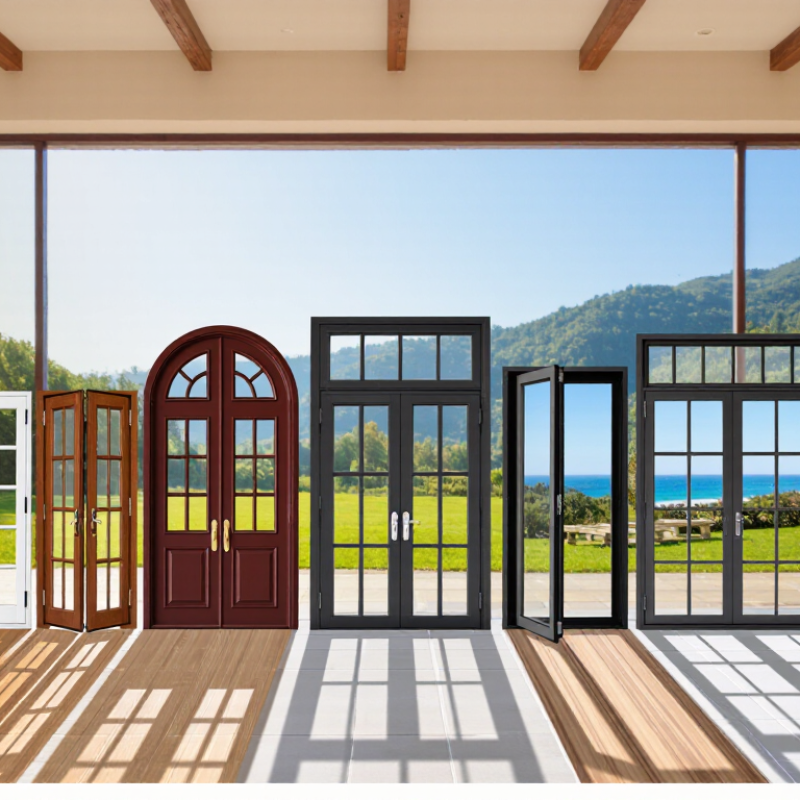
Patio doors with windows are exterior doors that combine a usable doorway with one or more glass panels. They connect indoor rooms with patios, balconies, or gardens. Common designs include sliding doors, hinged French doors, and folding systems. Each style offers different movement, ventilation, and space requirements.
The glass brings daylight deep into a room and makes small spaces feel more open. However, a larger window is not automatically better. Double glazing can improve insulation, while low-emissivity glass may reduce heat gain in sunny climates. Tempered glass helps resist impact, and laminated glass can provide extra security. A careful installer should also check the threshold, frame drainage, locking points, and wall condition. Small measurement errors become expensive quickly. Local weather matters too. Coastal air, strong wind, heavy rain, and intense sunlight can affect material performance.
Tips: Measure the opening in three places. Check the floor for level before ordering. Choose a door swing that will not block furniture. Ask for documented thermal and safety ratings. In cold regions, inspect the seals closely. In humid areas, review drainage details. I would also request installation guidance in writing, because product labels alone may not explain every limitation. A door can look excellent in a showroom and still perform poorly after careless fitting.
Which Types of Windowed Patio Doors Are Available?
Top 10 Patio Doors With Windows for Global Buyers
Which Types of Windowed Patio Doors Are Available?
Windowed patio doors come in several practical designs. Sliding doors move along a track and suit narrow balconies or compact rooms. French patio doors swing inward or outward, creating a wider, traditional opening. Folding doors use multiple panels that stack beside the wall. Lift-and-slide doors need a slight handle turn before moving, reducing friction on heavy glass panels. Hinged single doors fit smaller openings, but they provide less ventilation than wider systems.
Glass choice matters as much as door style. Low-E double glazing can improve comfort near sunny seating areas. Triple glazing may suit cold climates, although its weight and cost can complicate installation. The U.S. Department of Energy reports that windows can represent 25–30% of household heating and cooling energy use. The IEA’s 2023 Global Status Report also identifies buildings as responsible for about 30% of global final energy demand. These figures make frame insulation and airtight seals worth checking. No door wins every climate.
Tips: Ask for U-value, solar heat gain coefficient, air leakage, and water resistance data. Confirm opening direction and threshold height before ordering. A coastal home may need corrosion-resistant hardware. I would not choose a large glass door from appearance alone; drainage, local wind exposure, and installer skill can change the result. Even excellent glazing performs poorly when the frame is badly fitted.
How to Compare the Top 10 Patio Door Options
Top 10 Patio Doors With Windows for Global Buyers
How to Compare the Top 10 Patio Door Options
Comparing ten patio doors requires more than checking glass size and appearance. I use a simple scorecard covering thermal performance, air leakage, water resistance, security, maintenance, and installation quality. The U.S. Department of Energy reports that windows can represent 25–30% of household heating and cooling energy use. Glazed patio doors deserve similar attention.
Start with tested performance values. Lower U-factor generally means better insulation, while SHGC shows how much solar heat enters the room. The National Fenestration Rating Council recommends comparing certified ratings, not sales claims. For coastal or storm-prone regions, check wind-load and water-penetration testing. ISO 10077-1 can also support thermal calculations across international projects. Ask for complete test documents.
Then inspect the practical details. A multi-panel door may provide a wider opening, but its center joints can increase air leakage. Track drainage matters after heavy rain. Hardware should feel firm, not merely attractive. Low-maintenance frames help in humid climates, though poor installation can defeat excellent materials.
My early comparison mistake was ranking glass area too highly. Large panes looked impressive but created glare and heat gain. I now check shading, orientation, and local climate first. Still, the method is not perfect. Independent installation reviews remain limited in some markets, so buyers should request references, warranty terms, and repair timelines before choosing among the top ten options.
Top 10 Patio Doors With Windows for Global Buyers
Comparison of common patio door configurations by typical whole-door U-factor. Lower values indicate better insulation performance.
The figures are representative benchmarks for widely used frame and glazing combinations. Actual performance depends on door size, glass coating, spacer technology, installation quality, and regional testing standards. Buyers should verify certified product data before selecting a door.
What Features Matter for Global Buyers?
Top 10 Patio Doors With Windows for Global Buyers
What Features Matter for Global Buyers?
Choosing a patio door with windows requires more than attractive glass and smooth operation. Climate, building design, and local installation practices can change the right choice.
I have inspected sliding and hinged patio doors in humid, windy, and cold environments. Low-emissivity glass can reduce heat transfer, while double or triple glazing improves indoor comfort. In storm-prone areas, buyers should ask for tested impact resistance and certified frame strength. In colder regions, compare U-values carefully.
A low threshold helps wheelchair users and reduces tripping risks, but poor drainage may allow water inside. That detail is often overlooked.
Tips: Check the glass specification, frame material, drainage design, and replacement-part availability. Choose corrosion-resistant hardware near coasts. Confirm the opening size before ordering. A beautiful door is useless if local installers cannot adjust it correctly.
Look for multi-point locks, reinforced meeting rails, and strong hinges. Clear sightlines improve daylight, but large glass areas can create privacy concerns. Internal blinds or textured glazing may help.
Energy labels are useful, yet testing methods differ between countries, so compare equivalent standards. I once trusted a supplier’s “high insulation” claim without checking the test conditions. That was a mistake.
Ask for written performance data, installation guidance, warranty terms, and maintenance requirements before paying. Each market has different expectations, and one universal specification rarely works well.
How to Choose, Install, and Maintain the Right Patio Door
Top 10 Patio Doors With Windows for Global Buyers
How to Choose, Install, and Maintain the Right Patio Door
Choosing a patio door starts with climate, not appearance. In hot regions, low solar heat gain reduces indoor overheating. In cold areas, a lower U-factor helps limit heat loss. The U.S. Department of Energy reports that windows can cause 25–30% of residential heating and cooling energy use. That figure includes glazed patio doors. Check the National Fenestration Rating Council label for U-factor, solar heat gain coefficient, visible transmittance, and air leakage. Consider laminated glass near busy streets or storm-prone locations. Tempered glass is essential where safety standards require it.
Installation decides whether good specifications perform well. The opening must be square, level, and properly supported. Installers should use a sill pan, compatible flashing, and low-expansion foam around the frame. Exterior drainage paths must remain open. Test the rollers before sealing interior trim. A door that slides smoothly today may bind after seasonal movement. Local wind, rain, fire, and accessibility requirements also vary, so buyers should confirm compliance with qualified professionals. Do not rely only on product brochures.
Maintenance is simple, but often neglected. Vacuum tracks monthly, then wipe them with a damp cloth. Keep weep holes clear with a soft brush. Inspect weather seals, locks, rollers, and perimeter caulking twice yearly. Replace cracked seals early. The International Code Council emphasizes maintaining drainage and weather-resistant construction details, yet homeowners often paint over them. That shortcut deserves reconsideration. A beautiful door can still leak.
| No. | Patio Door Type | Typical Configuration | Window and Glazing Options | Typical Thermal Performance | Best Applications | Installation Considerations | Maintenance Requirements | Main Advantages | Key Limitations |
|---|---|---|---|---|---|---|---|---|---|
| 1 | Two- or Three-Panel Sliding Door | One or more operating panels slide horizontally behind or beside fixed glass panels. Common opening width: approximately 1.8–3.6 m (6–12 ft). | Double glazing is common; low-emissivity coatings, argon filling, laminated safety glass, and solar-control glass can be specified. | Double glazing typically provides better insulation than single glazing. Performance depends on the frame, spacer, glass coating, and air leakage. Select a tested U-factor and air-leakage rating appropriate to the local climate. | Apartments, balconies, compact terraces, and rooms where a swinging door would use valuable floor space. | The sill must be level and fully supported. Confirm drainage, waterproof flashing, panel clearance, and the direction of operation before ordering. | Vacuum the track regularly, wash weep holes, inspect weather seals, and clean or adjust rollers when movement becomes difficult. | Space-efficient, widely available, and suitable for large glazed openings. | The opening is usually only partly clear, and the track can collect dirt or water. |
| 2 | French Hinged Patio Door | Two independently hinged leaves meet at the center and open inward or outward. Typical clear opening: approximately 1.2–1.8 m (4–6 ft). | Insulated glass units with low-emissivity coatings are common. Decorative divided-light grilles and laminated glass are available. | Usually offers good compression sealing when correctly installed and adjusted. The meeting stile and threshold can affect air and water performance. | Traditional homes, gardens, dining areas, and locations requiring a broad walk-through opening. | Provide adequate swing clearance. The frame must be plumb and square, and the sill should be properly flashed to prevent water intrusion. | Lubricate hinges and multipoint locks, check alignment, clean drainage paths, and replace compressed weatherstripping when necessary. | Wide opening, strong ventilation potential, and a familiar door operation. | Requires clear floor space and may be affected by wind if opened outward. |
| 3 | Single Hinged Patio Door with Side Window | One operating door leaf is combined with a fixed narrow sidelight or wider side window. Typical door leaf width: approximately 0.8–1.0 m (2 ft 8 in–3 ft 4 in). | Low-emissivity double glazing, privacy glass, laminated glass, and fixed sidelights can increase daylight without increasing door weight. | A smaller operating leaf can reduce hardware stress and improve sealing consistency. The sidelight must have compatible glazing performance. | Narrow exterior walls, kitchens, utility areas, and smaller patios where a double door is unnecessary. | Verify the handing, threshold height, sidelight position, and local requirements for safety glazing near the floor. | Inspect hinges, latch alignment, seals, and the sill drainage route. Clean the fixed window and door glazing with non-abrasive products. | Lower space and hardware requirements than a double hinged door, with useful additional daylight. | Provides a narrower passage and less flexible furniture access than wider systems. |
| 4 | Bifold or Folding Patio Door | Two or more hinged panels fold and stack to one or both sides of the opening. Common systems contain 3–8 panels, depending on structural design. | Double glazing is typical; low-emissivity, solar-control, laminated, and acoustic glass options may be available. | Performance varies significantly with the number of panel joints and seals. More moving joints generally require careful adjustment to maintain airtightness. | Indoor-outdoor entertaining areas, wide garden openings, restaurants, and warm climates with shaded outdoor living spaces. | The head, sill, and jambs must be structurally supported. Check the manufacturer’s maximum panel weight, stacking space, threshold drainage, and wind-load requirements. | Keep hinges, tracks, and rollers clean; check panel alignment; inspect seals; and avoid forcing panels that are obstructed. | Creates a very wide opening and can provide excellent views when closed. | More hardware, higher installation precision, and potentially greater maintenance than simpler doors. |
| 5 | Multi-Slide Patio Door | Several large glazed panels slide on parallel tracks, often stacking in a pocket or along a wall. Suitable for openings wider than many standard sliding doors. | Large insulated glass panels may use low-emissivity coatings, solar-control coatings, laminated glass, or enhanced acoustic glass. | Can deliver strong thermal performance with thermally broken frames and high-quality insulated glazing, but large glass areas increase solar heat gain risk. | Large residences, hospitality spaces, commercial terraces, and projects prioritizing uninterrupted views. | Requires precise structural engineering, a rigid level sill, adequate wall support, and careful coordination of waterproofing and pocket drainage. | Clean the full track length, keep drainage outlets open, inspect rollers and seals, and arrange periodic professional adjustment for large panels. | Excellent views, broad openings, and flexible panel arrangements. | Higher cost and greater sensitivity to settlement, track contamination, and installation errors. |
| 6 | Lift-and-Slide Patio Door | Turning the handle lifts the operating panel slightly from the seals, allowing a large panel to roll smoothly; closing lowers it onto the seals. Often used for large, heavy panels. | High-performance insulated glazing is commonly used, including low-emissivity and solar-control glass. Laminated glass may improve safety and acoustics. | The lowered panel can provide effective compression sealing. Confirm tested air, water, and wind performance for the selected size and climate. | Premium residential projects, exposed coastal locations, high-wind regions, and wide openings requiring smooth operation. | The supporting structure and sill must accommodate substantial weight. A specialist installer should verify tolerances, drainage, and panel adjustment. | Keep tracks clean, do not drag the handle, inspect seals, and have rollers or locking hardware serviced if operation changes. | Smooth operation for large panels with potentially strong weather sealing. | Usually more expensive and technically demanding than standard sliding doors. |
| 7 | Center-Pivot Patio Door | A glazed door rotates around vertical pivot hardware positioned near the center or offset from the center. Typically selected for architectural entrances and wide single leaves. | Insulated safety glass, laminated glass, low-emissivity coatings, and solar-control glazing may be specified. | Performance depends heavily on the pivot design, perimeter seals, threshold, and panel size. Larger leaves require careful wind-load assessment. | Contemporary homes, architectural terraces, and entrances where a distinctive opening movement is desired. | Confirm the structural capacity of the head and sill, door swing arc, pivot offset, clearances, and local safety requirements. | Inspect pivot hardware, keep the threshold clear, lubricate only as directed, and check seals for even contact. | Distinctive appearance and the ability to accommodate a broad, visually simple glazed leaf. | Uses swing space and may have more specialized hardware and adjustment requirements. |
| 8 | Pocket Sliding Patio Door | One or more panels slide completely into a concealed wall pocket when open. The pocket must be designed before construction or major renovation. | Insulated low-emissivity glazing is common. Safety glass is generally required where glazing is near walking surfaces, subject to local code. | Can perform well when the pocket, frame, seals, and drainage are correctly detailed. Hidden components can make later repairs more difficult. | Minimalist interiors, new construction, accessible routes, and projects seeking a fully unobstructed opening. | Requires sufficient wall depth, structural headers, corrosion-resistant drainage components, and access provisions for future hardware service. | Clean the exposed and pocket-side track where accessible; inspect drainage and seals; do not store debris inside the wall pocket. | Leaves the opening almost completely clear and preserves usable floor area. | More complex construction and potentially difficult maintenance if service access is inadequate. |
| 9 | Outswing Patio Door with Low Threshold | A hinged glazed door opens toward the exterior and uses a reduced-height or flush threshold where permitted. Drainage and weather protection are especially important. | Double insulated glazing, laminated safety glass, low-emissivity coatings, and solar-control glass are common options. | Can provide good compression sealing when closed, but the threshold and exterior swing side must be designed for wind-driven rain. | Accessible terraces, mild climates, compact interiors, and locations where interior swing space is limited. | Use a properly drained sill, sill pan or equivalent flashing, wind-rated hardware, and adequate exterior landing space. Confirm accessibility rules locally. | Keep the exterior sill and drainage channels clean, inspect hinges and seals, and check that wind cannot overextend the door. | Preserves interior floor space and can support a low-threshold transition. | Exposed hardware and seals may face severe weather; wind can make operation difficult. |
| 10 | Inswing Patio Door with Transom Window | A hinged glazed door is combined with a fixed horizontal window above the frame. Useful where additional daylight is needed without widening the door. | The transom and door can use matching insulated glazing, low-emissivity coatings, laminated glass, or privacy glass. | A fixed transom can be thermally efficient, while the operating door relies on continuous seals and correct hardware adjustment. | Tall rooms, traditional façades, narrow exterior walls, and renovations requiring more daylight above a standard door. | Confirm total assembly height, lintel or header support, structural load transfer, flashing continuity, and safe cleaning access. | Maintain hinges, locks, seals, and sill drainage. Clean the transom from a safe position without leaning unsecured ladders against the glass. | Adds daylight and visual height without increasing the door’s clear width. | Requires adequate headroom and may increase installation complexity and overall assembly height. |

| Selection note: The figures and descriptions above are typical design ranges rather than guarantees. Before purchase, compare certified thermal, air, water, wind-load, impact, accessibility, and safety-glazing requirements for the destination country. Final performance depends on the complete door assembly, glass specification, frame material, installation quality, drainage, and local climate. | |||||||||
Related Posts
-
Why You Should Choose the Best Patio Doors and Windows for Your Home
-
Top 10 Tips for Choosing the Best Front Windows for Your Home?
-
2026 Best Premium Doors and Windows: Top Choices for Your Home
-
How to Clean Front Windows for a Crystal Clear View?
-
2026 Top Trends in Better Doors and Windows for Your Home?
-
Top 10 West Windows Styles for Global Buyers to Consider?