Blog.

Blog2024-04-08T12:48:33+02:00

Top Polish Windows Suppliers for Global Buyers?

Global buyers often view Polish windows as a strong balance of engineering, design, and price. The country has developed a mature fenestration industry. Its manufacturers supply PVC, timber, aluminium, and hybrid systems for demanding residential and commercial projects.

Andrzej Wiśniowski, founder of the Polish manufacturer WIŚNIOWSKI, is often associated with a practical industry principle: “Quality is built into every detail.” That idea matters when comparing Polish windows. A buyer should examine more than a catalogue photograph. Frame reinforcement, glazing specifications, drainage paths, hardware durability, and installation guidance can determine real performance. Small details matter.

Poland’s leading suppliers commonly serve export markets across Europe, North America, and other regions. Many offer low-energy glazing, slim aluminium profiles, custom colours, acoustic packages, and large sliding doors. Some also provide technical drawings, sample corners, and project support for distributors. These services can reduce mistakes during procurement.

Still, a famous brand is not automatically the best choice. This is where buyers must think carefully. Product quality may vary between factories, product lines, and local installers. Delivery promises can also look better on paper than in practice. Asking for test reports, warranty terms, packing photographs, and references from comparable projects is sensible.

This guide examines top Polish windows suppliers for global buyers. It considers manufacturing capability, certifications, product range, export experience, and communication standards. The assessment is not perfect. Market data changes, and supplier performance can differ by project. That uncertainty deserves honest attention.
Top Polish Windows Suppliers for Global Buyers?

Poland’s Windows Industry: Market Scope and Product Categories

Poland’s windows industry serves domestic construction, renovation, and export markets. Eurostat Comext trade data consistently place Poland among Europe’s leading exporters of windows and doors. The strongest demand comes from Germany, France, the United Kingdom, and Scandinavian markets. Statistics Poland also reports steady construction activity, although housing permits and completions can change sharply with interest rates.

Product choice is broad. PVC windows remain practical for apartments and replacement projects. Timber windows suit heritage buildings and premium residential work. Aluminium systems support large glazed areas, offices, retail units, and modern homes. Wood-aluminium products combine a warm interior surface with stronger exterior protection.

Roof windows, lift-and-slide doors, acoustic units, and low-energy glazing serve more specialised projects. EU Construction Products Regulation requirements and national energy rules make documented performance essential. Uw values, air permeability, water tightness, and solar control deserve careful comparison. They are not small details.

Tips: Ask suppliers for tested declarations, installation drawings, warranty terms, and recent export references. Check whether quoted performance applies to the complete window, not only the glass. EN 14351-1 is a useful reference for external windows and doors. A catalogue may look complete but still hide lead-time risks. Polish suppliers are often competitive, yet logistics, colour availability, and after-sales support need honest checking. Euroconstruct reports show that European residential construction remains uneven, so buyers should avoid assuming every segment will grow together.

Key Criteria for Evaluating Polish Window Suppliers

Top Polish Windows Suppliers for Global Buyers?

Key Criteria for Evaluating Polish Window Suppliers

A reliable Polish window supplier should provide clear technical data, not vague sales promises. Check U-values, air permeability, water resistance, wind-load ratings, and acoustic performance. Ask whether testing followed recognized European standards. Certification documents should match the exact profile, glass package, and hardware used in production. Numbers matter.

Factory experience is easier to judge through evidence. Request recent project references, production photographs, and a live video inspection. Examine welding quality, drainage holes, corner cleaning, and frame reinforcement. A polished website can still hide weak production control. Sample units should open smoothly and arrive without warped frames or damaged edges.

Export capability also deserves close attention. Confirm packaging methods, pallet dimensions, labeling, customs documents, and replacement procedures. Clarify lead times in writing, including approval periods and holiday closures. A dependable supplier explains warranty limits and responds consistently across technical and commercial questions. Slow replies are a warning sign. However, fast replies do not prove quality.

Buyers should compare at least three quotations using the same specifications. Low prices may exclude installation accessories, upgraded glass, or protective packaging. Review payment stages carefully and avoid relying on verbal assurances. Some suppliers may offer strong products but weak after-sales support; that mismatch is easy to overlook. The evaluation process should remain practical, documented, and slightly skeptical.

Leading Types of Polish Window Manufacturers for Global Buyers

Polish window manufacturers serve global buyers through several specialized production models. PVC window factories focus on cost efficiency, stable insulation, and high-volume export orders. Their products often suit apartments, schools, and standard residential projects. Timber manufacturers offer natural oak, pine, or laminated wood frames. These windows bring warmth, but they need careful moisture protection and maintenance planning.

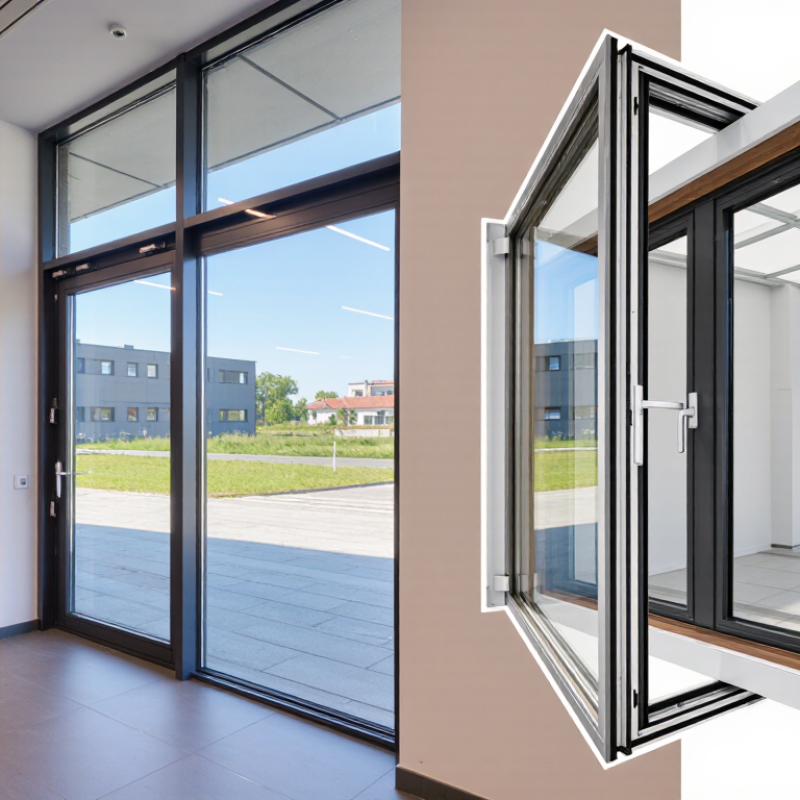
Aluminum manufacturers target large openings, slim sightlines, and commercial buildings. Their systems perform well in demanding façades, although thermal-break quality deserves close inspection. Hybrid manufacturers combine timber interiors with aluminum exteriors. This design can improve durability while preserving a residential appearance. Some Polish factories also build passive-house windows, lift-and-slide doors, and custom shapes. These suppliers usually require detailed drawings, performance targets, and realistic production schedules.

Tips: Request test reports, section drawings, and sample corners before ordering. Check Uw values, air-tightness results, glazing specifications, and hardware options. Confirm packaging details for long-distance shipping. A factory visit can reveal more than polished photographs. Still, no supplier is perfect. I would compare installation guidance, warranty handling, and replacement-part access, not only the quoted price. Small communication gaps can become expensive after delivery. Ask who checks measurements, who approves revisions, and who supports the installer locally. Export experience helps, but it does not replace project-specific verification.

Top Polish Windows Suppliers for Global Buyers — Leading Types of Polish Window Manufacturers for Global Buyers
Manufacturer Type Main Frame Material Common Product Configurations Typical Thermal Performance Key Product Strengths Common Export Applications Relevant European Standards and Documentation Best Fit for Global Buyers
PVC Window Manufacturers Multi-chamber uPVC profiles with steel or composite reinforcement Tilt-and-turn Fixed glazing French doors Sliding systems Modern double- and triple-glazed units commonly achieve a whole-window Uw value of approximately 0.75–1.3 W/m²K, depending on size, profile, spacer and glazing specification. Competitive pricing, low maintenance, good airtightness, broad color and foil-finish options, and high production scalability. Residential developments, replacement projects, apartment buildings and standard commercial construction across Europe. EN 14351-1 for windows and external pedestrian doorsets; EN 12608 for PVC-U profile performance; CE marking where applicable under the Construction Products Regulation. Buyers seeking large volumes, standardized specifications, reliable logistics and attractive cost-to-performance ratios.
Aluminum Window Manufacturers Powder-coated or anodized aluminum profiles, usually with thermal breaks Large fixed panes Lift-and-slide doors Curtain walling Commercial doors Thermally broken systems commonly provide Uw values of approximately 0.8–1.8 W/m²K; non-thermally broken systems are generally intended for internal or low-thermal-demand applications. High structural strength, slim sightlines, durability, extensive opening sizes and strong design flexibility. Office buildings, hotels, retail spaces, high-rise façades, contemporary homes and projects requiring oversized glazing. EN 14351-1 for windows and doors; EN 13830 for curtain walling; EN 14024 for thermally broken metal profiles; powder-coating specifications may reference EN 12206-1. Projects prioritizing façade design, large glazed areas, long service life and resistance to demanding weather conditions.
Timber Window Manufacturers Engineered softwood or hardwood, factory-finished with protective coatings Traditional casements Tilt-and-turn Heritage profiles Wooden doors High-quality double- and triple-glazed timber windows commonly reach Uw values of approximately 0.8–1.4 W/m²K, depending on timber species, frame depth and glazing. Natural appearance, repairability, strong acoustic potential and suitability for conservation-sensitive architecture. Premium housing, historical renovations, boutique hospitality projects and buildings where natural materials are required. EN 14351-1; EN 942 for timber quality in joinery; EN 13307-1 for timber products used in windows and doors; CE documentation where applicable. Buyers requiring authentic appearance, sustainable material options, bespoke dimensions and high-end architectural detailing.
Timber-Aluminum Window Manufacturers Interior engineered timber frame protected externally by an aluminum cladding system Triple glazing Tilt-and-turn Lift-and-slide Bespoke units Premium systems commonly achieve Uw values of approximately 0.7–1.0 W/m²K when combined with suitable triple glazing and warm-edge spacers. Interior warmth of timber combined with improved external weather protection and reduced routine coating maintenance. Luxury residential developments, energy-efficient villas, premium hotels and architect-designed projects. EN 14351-1, applicable timber and aluminum profile standards, CE performance documentation and project-specific thermal calculations. Global buyers looking for premium performance, refined interiors and long-term protection against rain, ultraviolet exposure and temperature changes.
Energy-Efficient and Passive-House Window Manufacturers High-insulation PVC, timber, timber-aluminum or thermally optimized aluminum systems Triple glazing Warm-edge spacers Low-air-leakage frames Insulated installation accessories Products are often designed around Uw values of 0.80 W/m²K or lower; certified passive-house components may require additional limits for frame, glazing, airtightness and installation performance. Reduced heat loss, improved interior comfort, lower condensation risk and strong support for low-energy building targets. Passive-house projects, low-energy housing, cold-climate construction, green-certified buildings and deep renovation projects. EN 14351-1; EN ISO 10077 for thermal transmittance calculations; EN 12207 for air permeability; project-specific passive-house or national energy-performance documentation. Buyers needing documented energy performance and products suitable for stringent building-energy requirements.
Sound-Insulation Window Manufacturers PVC, timber or aluminum frames paired with acoustic glazing and optimized seals Laminated acoustic glass Asymmetric glazing Enhanced seals Secondary glazing Acoustic performance is specified by tested Rw values; commonly supplied solutions may range from approximately 35 to above 45 dB, depending on the full window assembly. Improved protection from traffic, rail, aviation, industrial and urban noise when correctly specified and installed. Urban apartments, hotels, hospitals, schools, offices and properties located near transport infrastructure. EN 14351-1; EN ISO 10140 and EN ISO 717-1 for laboratory sound-insulation testing and rating; project-specific acoustic test reports. Buyers who require verified acoustic performance rather than relying only on glass thickness or marketing descriptions.
Roof Window and Skylight Manufacturers Timber, polyurethane-coated timber or PVC-based frames with weatherproof external components Centre-pivot roof windows Top-hung units Roof balconies Flat-roof skylights Triple-glazed roof-window assemblies commonly target Uw values of approximately 0.8–1.4 W/m²K, subject to size, roof pitch and installation flashing. Daylight and ventilation for pitched roofs, compatibility with roof coverings and integrated water-management accessories. Attic conversions, residential roof renovations, extensions, hotels and daylighting projects. EN 14351-1 for windows and external doors; EN 1873 for rooflights where applicable; manufacturer installation instructions are critical to weather performance. Buyers supplying residential and commercial roofing projects that require complete window, flashing and installation solutions.
Custom and Project-Based Window Manufacturers Mixed materials selected according to structural, thermal, acoustic and architectural requirements Non-standard sizes Arched units Special colors Complex façades Thermal performance varies by system; project documentation should confirm calculated Uw, solar factor, air permeability, water tightness and wind-load resistance. Engineering support, tailored detailing, complex geometry, coordinated shop drawings and suitability for unusual building conditions. Heritage buildings, luxury developments, public buildings, international façade projects and technically complex renovations. EN 14351-1 and other system-specific standards; performance declarations, structural calculations, acoustic reports and installation details may be required. Global buyers that need technical consultation, project coordination and made-to-order production rather than catalogue-only products.
Buyer note: Performance figures are typical market ranges for product categories commonly manufactured in Poland, not guarantees for every supplier or model. Final selection should be based on verified test reports, Declaration of Performance documentation, thermal calculations, acoustic ratings, installation details, warranty terms, export packaging and compliance requirements in the destination country.

Export Standards, Certifications, and Quality Control

Top Polish Windows Suppliers for Global Buyers

Polish window suppliers serving global buyers should provide clear export documentation. This usually includes a Declaration of Performance, CE marking where applicable, and test reports under EN 14351-1. Destination rules still matter. A document accepted in Europe may not satisfy requirements elsewhere. Ask for current evidence covering thermal transmittance, air permeability, watertightness, and wind resistance. ISO 9001 can support process control, but it does not prove every window is flawless.

Quality control should begin with approved drawings and verified measurements. Inspectors can check frame dimensions, corner welds, glass markings, hardware operation, and surface finishes before shipment. Factory records should connect each batch with production dates and material specifications. Packaging deserves attention too. Poor protection can damage corners during a long sea journey. Independent pre-shipment inspection adds confidence, although it cannot replace a reliable factory system. A certificate alone is never enough.

Tips:

Request three recent test reports, not one old sample. Confirm whether testing covers the exact profile, glass unit, and hardware combination. Ask for a small trial order before committing to volume. Photograph inspection points. Keep written approval records. Some buyers overlook installation conditions, and that can distort real performance. Even strong products may fail when openings are measured poorly. That detail deserves more attention.

Ordering, Shipping, and After-Sales Support from Poland

Top Polish Windows Suppliers for Global Buyers?

For global buyers, ordering windows from Poland works best when specifications are fixed before the first quotation. Ask for profile material, glazing type, dimensions, opening direction, color code, and required certificates. A clear schedule prevents expensive revisions. In my experience, a measured opening drawing is more useful than a long email. It should show wall thickness, sill height, and tolerances. Do not rely on “standard size.” It rarely fits every project.

Request a pro forma invoice listing unit prices, packaging, lead time, Incoterms, and payment stages. Confirm whether prices include export documents and delivery to your site. Polish suppliers commonly use road freight across Europe, while longer routes may involve consolidated loads or sea connections. Ask for crate dimensions and gross weight before booking transport. A damaged corner can delay installation for days. Photograph the packaging at collection and inspect the shipment immediately after arrival. Small details matter. Still, buyers sometimes overlook customs classification or local import taxes, creating avoidable costs.

After-sales support should be agreed in writing, not promised casually. Confirm response times, spare hardware availability, warranty limits, and the process for reporting defects. Send photos, batch numbers, installation records, and a short description of the problem. Keep one sample of damaged packaging. It may help identify transport damage. Remote guidance is useful, but it cannot replace a trained installer for alignment or sealing issues. I would also request a trial order before a large contract. It exposes communication gaps early, although it adds time and freight expense. That trade-off is easy to underestimate.

Polish Windows for Global Buyers: Ordering, Shipping and After-Sales Planning

This indicative B2B planning chart shows common time ranges for purchasing windows from Poland. Actual timing depends on product customization, order volume, production capacity, destination, transport mode and warranty-case complexity. EU deliveries generally avoid customs clearance, while shipments to non-EU markets require export documentation and import procedures.