Top 10 Types of Residential Windows for Global Buyers
Choosing residential windows is not just a matter of appearance. The right style can bring daylight into a room, frame a garden view, and help manage heat, drafts, and outside noise. Yet a window that performs well in a mild coastal home may be less suitable for a cold, windy site. Climate, orientation, frame material, glazing, ventilation needs, and installation quality all matter.
Building scientist Joseph Lstiburek is known for explaining how moisture and heat move through buildings. In paraphrase, his building-science perspective points to a useful rule: a window must work as part of the whole building enclosure, not as an isolated product. That distinction is easy to miss. A high-performance unit can still disappoint if it is poorly sized, installed, or sealed.
This guide compares ten common residential windows, including casement, sliding, awning, double-hung, and picture styles. Each type has practical trade-offs. A casement window can open wide for ventilation; a picture window offers an unobstructed view but does not open. No single style fits every room.
Global buyers should also check local climate conditions, product ratings, available service, and installation guidance before comparing prices. Specifications and rating systems vary by market, so confirm what each figure measures. Look closely at frame construction, glass options, hardware, and warranty terms. Small details matter: consider a west-facing bedroom that gets strong afternoon sun, or a kitchen where easy ventilation is useful. The sections ahead explain how each window type works, where it may fit, and what to assess before purchase.
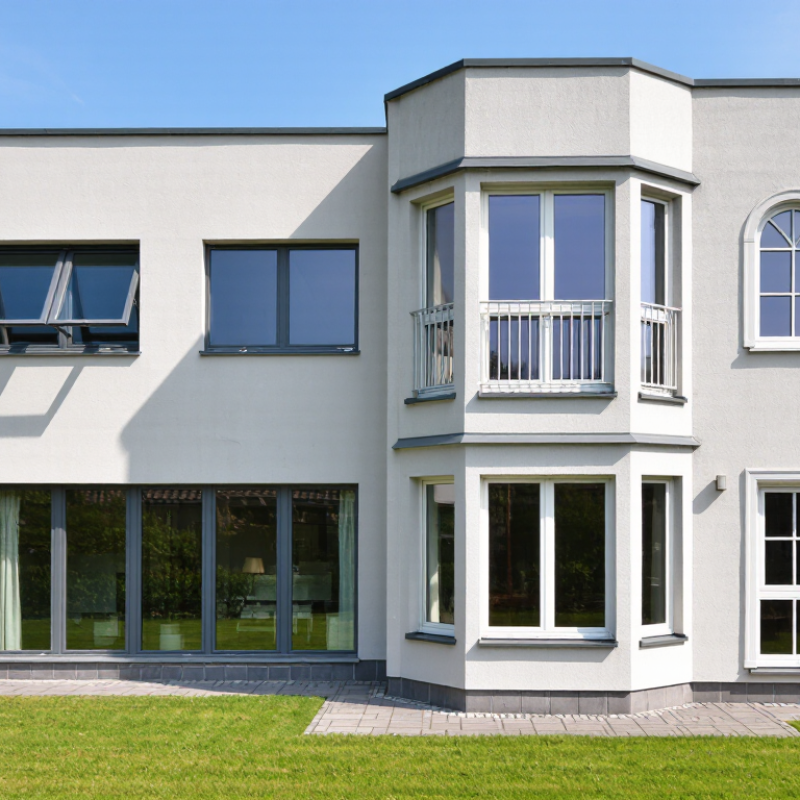
How Residential Windows Are Classified by Design and Operation
Residential windows are best classified by how they open, move, and manage airflow. Fixed windows do not open, but they provide clear views and strong daylight. Single-hung and double-hung windows use vertical sashes. Double-hung models allow both sections to move. Sliding windows move horizontally and suit wide wall openings. Casement windows open outward with side hinges. They often direct breezes into rooms. Awning windows hinge at the top and remain useful during light rain. Hopper windows hinge at the bottom and support compact, high-level ventilation.
Tilt-and-turn windows offer two operations in one frame. They tilt inward for ventilation and turn inward for cleaning. Bay and bow windows project outward, creating extra interior space. Louvered windows use angled blades, while skylights bring light through the roof. This list is practical, not universal. Local construction customs can change the ranking.
The U.S. Department of Energy reports that windows may cause 25–30% of residential heating and cooling energy use. The International Energy Agency’s 2023 buildings report places building operations at about 30% of global final energy consumption.
Operation therefore matters as much as appearance. Buyers should compare opening direction, air leakage, solar heat gain, visible transmittance, and frame material. Independent performance labels and laboratory test values improve reliability. A beautiful window can still perform poorly. I learned this after prioritizing style over maintenance access on a humid project. Check emergency escape rules, cleaning reach, wind exposure, and replacement hardware before selecting a design.
Ten Common Types of Residential Windows Explained
Top 10 Types of Residential Windows for Global Buyers
Ten common window types suit different rooms, climates, and ventilation needs.
Single-hung windows open at the bottom; double-hung windows let both sashes move. Casement windows swing outward on side hinges, while awning windows hinge at the top and shed light rain.
Sliding windows move horizontally along a track. Fixed windows do not open, but can frame a view with fewer moving parts. Bay windows project outward in angled sections; bow windows create a gentler curve with several panels.
Hopper windows tilt inward from the bottom. Tilt-turn windows offer two opening positions. Simple, but useful.
U.S. Department of Energy guidance estimates that window heat gain and loss account for 25–30% of residential heating and cooling energy use in the United States. That figure is not a universal estimate; climate and building conditions matter.
Tips: Match the opening style to the room. Casements can catch breezes, while fixed units suit spaces needing daylight without ventilation. Check frame depth, glazing, and hardware against local weather and maintenance needs. Measure the opening carefully. A technically efficient window may still feel wrong if it blocks a favorite view or is awkward to clean.
Key Materials, Glazing Options, and Performance Features
Top 10 Types of Residential Windows for Global Buyers
Residential windows vary by operation, material, and climate response. Common types include single-hung, double-hung, casement, awning, sliding, picture, bay, bow, hopper, and skylight windows. Each design affects ventilation, daylight, cleaning, and weather resistance. Casement windows often seal tightly, while sliding windows offer simple movement but may provide weaker air control.
Material selection deserves careful attention. Vinyl frames resist moisture and need little maintenance. Wood offers warmth and strong insulation, but it needs protective finishes in humid regions. Aluminum is slim and durable, yet it can transfer heat unless it includes a thermal break. Fiberglass and composite frames balance stability with insulation. No material wins everywhere. Local temperature swings, salt exposure, and installation skills can change the result.
Glazing controls much of a window’s performance. Double glazing suits many moderate climates, while triple glazing can improve comfort in colder zones. Low-emissivity coatings reduce heat transfer and protect interiors from excessive solar gain. Argon-filled cavities may improve insulation, but poor seals reduce that benefit over time. Tempered glass improves safety, while laminated glass can reduce noise and hold together after impact. Buyers should compare U-factor, solar heat gain coefficient, visible transmittance, and air leakage ratings. Lower numbers are not always better. A dark, shaded room may need higher daylight transmission. Condensation also depends on indoor humidity and ventilation, not glass alone. In actual projects, installation gaps sometimes undermine expensive glazing, which is an easy detail to underestimate.
Top 10 Types of Residential Windows for Global Buyers - Key Materials, Glazing Options, and Performance Features
| Window Type | How It Opens | Common Frame Materials | Typical Glazing Options | Performance Features | Best Suited To | Key Considerations |
|---|---|---|---|---|---|---|
| 1. Single-Hung | Bottom sash slides vertically; top sash is fixed. | Vinyl, timber, aluminum, or fiberglass. | Double glazing; optional low-emissivity coating and gas fill. | Simple construction can provide good air sealing when properly fitted and maintained. | Bedrooms and living spaces where straightforward operation is preferred. | Only one sash opens, so ventilation is more limited than with double-hung units. |
| 2. Double-Hung | Both sashes slide vertically; many models tilt inward for cleaning. | Vinyl, timber, aluminum-clad timber, or fiberglass. | Double or triple glazing; low-E coatings and inert-gas fills are available. | Opening both sashes can support ventilation at different heights; performance depends on seals and frame design. | Traditional-style homes and rooms where flexible ventilation is useful. | Sliding seals may allow more air leakage than well-sealed compression-style windows. |
| 3. Casement | Hinged at the side and cranked outward or inward, depending on design. | Vinyl, timber, aluminum, or fiberglass. | Double or triple glazing; low-E coatings and laminated glass can be specified. | Compression seals can help limit air leakage when the sash is closed; the open sash can catch breezes. | Rooms needing strong ventilation or an unobstructed view. | Check that the opening direction clears walkways, shutters, and exterior features. |
| 4. Awning | Hinged at the top and opens outward from the bottom. | Vinyl, timber, aluminum, or fiberglass. | Double glazing; low-E glass or laminated glass may be selected for project needs. | The projecting sash can help shield the opening from light rain; closed-sash sealing varies by product. | Bathrooms, kitchens, and higher wall locations where ventilation is desired. | The outward-opening sash needs clearance and may be unsuitable in exposed high-wind locations unless designed for them. |
| 5. Horizontal Sliding | One or more sashes slide sideways along tracks. | Vinyl, aluminum, timber, or fiberglass. | Double glazing; low-E coatings and solar-control glass are common options. | Does not project into indoor or outdoor space; track condition and weather seals affect operation and air tightness. | Wide openings, patios, and areas with limited clearance for projecting sashes. | Typically only part of the frame opens; tracks need periodic cleaning to drain and slide properly. |
| 6. Fixed / Picture | Does not open. | Vinyl, timber, aluminum, fiberglass, or composite frames. | Double or triple glazing; low-E, laminated, or solar-control glass options. | A fixed sash has no opening joints, which can support low air leakage; glass specification strongly influences heat and solar performance. | Views, daylight, and locations where separate ventilation is provided. | Does not provide ventilation or an emergency exit; large units may require structural planning. |
| 7. Tilt-and-Turn | Tilts inward at the top for limited ventilation or swings inward from the side for a wider opening. | uPVC, timber, aluminum, or aluminum-clad timber. | Double or triple glazing; low-E coatings and gas fills are available. | Multiple perimeter locking points and compression seals can support weather tightness when correctly installed. | Homes seeking flexible ventilation and inward access for cleaning. | Requires indoor clearance for the sash to swing fully open; hardware adjustment and installation matter. |
| 8. Hopper | Hinged at the bottom and opens inward from the top. | Vinyl, timber, or aluminum. | Double glazing; privacy or obscured glass can be used where needed. | Compact design can provide controllable ventilation; performance depends on sash seals and frame construction. | Basements and small utility spaces with suitable inward clearance. | Check local requirements for ventilation, egress, moisture exposure, and opening clearance. |
| 9. Bay / Bow | Projects outward from the wall; may combine fixed center panels with operable side units. | Vinyl, timber, aluminum-clad timber, or fiberglass. | Double glazing; low-E or solar-control glass can be selected for the orientation and climate. | Can increase daylight and interior space; energy performance depends on the combined glazing, frames, seals, and installation. | Living areas and facades where a projecting architectural feature is desired. | Needs suitable structural support, weather detailing, and consideration of added solar exposure. |
| 10. Roof Window / Skylight | Installed in a roof; may be fixed or operable, with manual or powered controls. | Timber, polyurethane-finished timber, or aluminum-clad frames are common. | Insulating double or triple glazing; laminated inner panes and solar-control coatings may be specified. | Brings daylight into roof spaces; weather performance relies on correct flashing, roof integration, and product selection. | Attics, loft conversions, and interior rooms with limited wall-window access. | Roof pitch, climate, drainage, heat gain, and installation quality should be assessed before selection. |
Note: Thermal and solar performance varies by complete window assembly, glass coating, frame, spacer, size, installation, and local climate. Compare certified whole-window ratings using the applicable regional standard; lower U-factor generally indicates better insulation, while solar heat gain requirements depend on climate and orientation.
How Window Styles Suit Different Climates and Building Needs
Window choice is not just a style decision. Climate, wall construction, and daily use all affect how a window performs. In windy or cold regions, casement windows can press firmly against their seals when closed. Awning windows allow ventilation during light rain, while sliding windows suit wide openings where swing space is limited. Their tracks do need regular cleaning, especially in dusty areas.
Hot, sunny climates often benefit from exterior shading and glazing selected to limit unwanted heat gain. In colder locations, insulated glass and carefully sealed frames help reduce drafts, but installation quality matters just as much. Humid or coastal conditions call for durable hardware and good drainage around the frame. No window type solves every problem. Small details count.
Building layout matters, too. Fixed windows bring daylight to stairwells or living rooms, though they cannot provide ventilation. Double-hung styles can be useful where inward-opening sashes would obstruct furniture. Tilt-and-turn windows offer flexible ventilation, but their operation and hardware should suit the occupants. A common design miss is choosing a window by appearance alone. Check opening size, cleaning access, wind exposure, and local building requirements before deciding. Even careful plans can overlook how people actually use a room.
Factors Global Buyers Should Compare Before Choosing Windows
Before comparing window styles, match performance to the building’s climate. A sunny coastal home may benefit from solar-control glazing, while a cold region often needs stronger insulation. Check published U-factor and solar heat gain data, and confirm which testing method was used. Numbers can look similar but rely on different standards.
Look closely at air leakage, water resistance, and wind-load ratings, especially for exposed façades. Ask how the frame material handles heat, moisture, and routine maintenance. A timber frame may need periodic coating; some metal frames conduct heat unless thermally broken. Small details matter. Compare glass thickness, safety glazing needs, opening direction, and insect-screen options against the actual room layout. Also confirm local building requirements and whether test certificates apply to the chosen size and configuration. Shipping dimensions, replacement-part availability, and installer experience can affect the real cost. A low purchase price is not always the better value. I would still treat catalogue ratings cautiously: installation quality and site conditions can change results considerably.
Related Posts
-
Ultimate Guide to Choosing UPVC Tilt and Turn Windows for Your Home in 2025
-
Why Choose the Best Doors and Windows for Your Home?
-

What Are the Benefits of Choosing Green Windows for Your Home?
-
Top 10 Benefits of Arizona Windows for Your Home Upgrade?
-
Why Choose German Windows for Your Home Renovation Needs
-
Why Choosing West Windows Can Improve Your Home Energy Efficiency