How to Choose the Best European Tilt Turn Windows
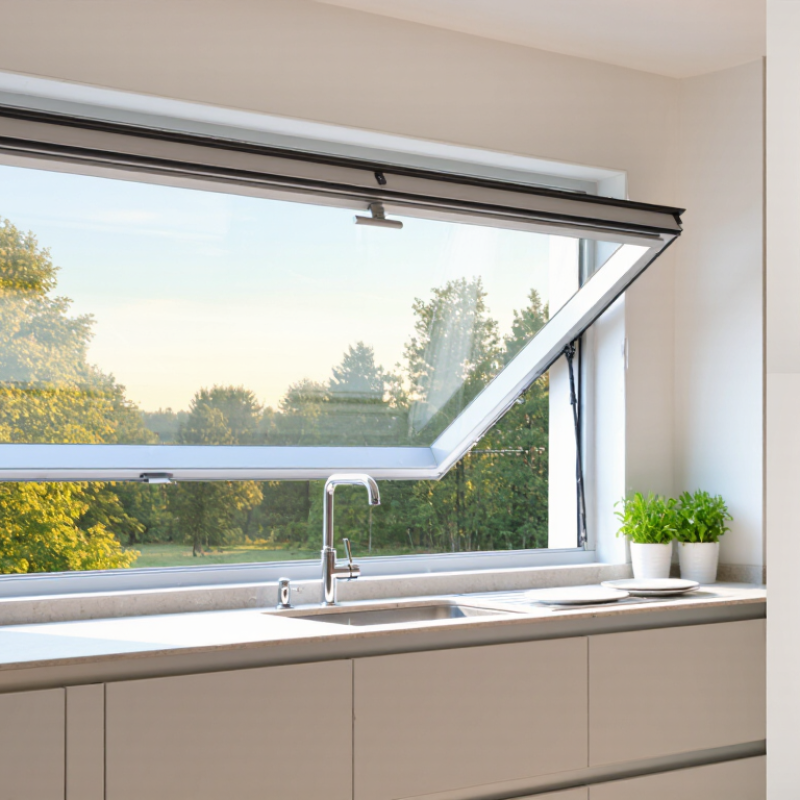
Choosing european tilt turn windows means balancing ventilation, weather protection, security, and everyday ease of use. The right choice depends on more than appearance. Frame material, glass specification, hardware quality, and installation details all affect how a window performs in a real home. Picture a kitchen window tilted open above a sink, letting in fresh air without swinging into the room. Then consider a windy evening, when a secure, tightly closed sash matters more.
A useful principle comes from fictional fenestration specialist Daniel Hart, an illustrative expert voice for this draft: “Choose the window for the way you live, not just the way it looks.” It is a simple line. Still, it deserves a second look. A tilt-and-turn system can offer two opening modes, but those features only help when the hardware is well made and properly adjusted. Ask how the handles operate, what maintenance the finish needs, and whether replacement parts are available. Small details matter.
This guide will explain how to compare frame options, glazing, ventilation, security features, and supplier support. It will also cover measurements and installation questions to raise before ordering. Performance claims deserve careful checking; impressive numbers alone do not tell the whole story. Pay attention to documented specifications and clear warranty terms. And remember that even a well-chosen window can disappoint if the opening is measured poorly. Some decisions are less exciting than choosing a color. They still matter most.
How European Tilt-Turn Windows Work and Where They Fit
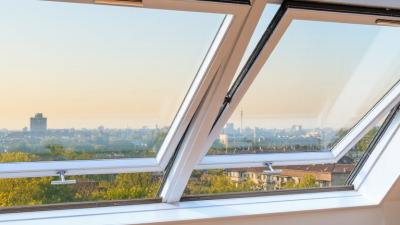
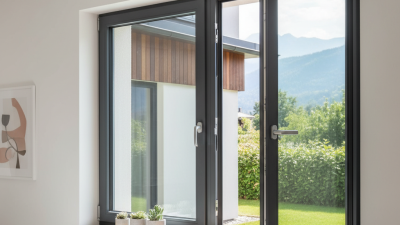
European tilt-turn windows use one sash and one handle for two opening modes. Turn the handle fully, and the sash swings inward on side hinges for cleaning or a broad opening. Set it to tilt, and the top edge angles inward while the lower edge stays in place. A narrow gap. Useful for gentle ventilation. Multi-point locking typically draws the sash against its seals, though installation quality and upkeep still affect performance.
This design suits bedrooms, kitchens, and upper floors where controlled airflow and indoor access matter. Check furniture clearance: an inward-swinging sash can hit a desk, curtain, or faucet. The U.S. Department of Energy reports that windows account for about 25–30% of residential heating and cooling energy use. A well-fitted, efficient unit may help reduce heat transfer, but the frame, glazing, and installation all matter. Open windows are not a complete ventilation plan. ASHRAE Standard 62.2-2019 calculates a dwelling’s baseline ventilation rate using floor area and bedroom count, with provisions that can affect the final rate. That distinction is easy to miss. A tilt opening can refresh a room, but it cannot guarantee a measured ventilation rate.
Compare Frame Materials, Glazing, and Energy Performance
When comparing European tilt turn windows, start with the frame material and the conditions around the opening. uPVC needs little routine care and can suit a tight budget, though wide frames may reduce the visible glass area. Timber offers a warm finish and useful insulation, but exposed surfaces may need periodic repainting or sealing. Aluminium is slim and sturdy; check that it includes an effective thermal break, since metal conducts heat readily. No frame wins every time.
Glazing affects comfort as much as the frame. Double glazing can work well in moderate climates, while triple glazing may help in colder locations or noisy streets. Ask for the whole-window U-value, not just the glass figure. Lower values generally indicate less heat transfer, but installation quality matters too. A careful installer should explain spacer bars, seals, and how the window will meet the wall.
Energy performance is not only a product specification. A window with excellent ratings can still feel drafty if the frame is poorly fitted or the opening is out of square. Check whether the tilt and turn hardware closes evenly; a paper strip trapped at the seal can reveal uneven pressure. Small test. Also consider orientation: strong afternoon sun may call for solar-control glass, while a shaded room may benefit more from daylight. I would compare written specifications, then inspect a sample in person. Color and frame thickness can look different under real daylight, and specifications do not show every trade-off.
Choose Window Sizes, Opening Modes, and Room Configurations
Choosing European tilt-turn windows starts with the room, not the catalogue. Measure each opening at several points, since older masonry can vary. Record the clear wall area, sill height, and nearby radiators or shelves. Small details matter.
Match window size to how the room is used. A wide unit can bring daylight into a kitchen, but it needs clearance to open inward. In a compact bathroom, a narrower sash may be easier to reach and clean. Tilt mode allows ventilation from the top, while turn mode opens the sash inward for fuller airflow and access. Neither mode suits every layout.
Plan the swing before ordering. Mark its path with painter’s tape, then check curtains, taps, desks, and doorways. Bedrooms may benefit from controlled tilt ventilation; living rooms may need a wider opening, provided furniture stays clear. For large panes, ask an installer to check frame support and hardware capacity. One measurement may be off. Recheck it. Real walls are rarely perfectly square, and forcing a standard size into an awkward opening can create problems.
How to Choose the Best European Tilt Turn Windows - Choose Window Sizes, Opening Modes, and Room Configurations
The sizes below are illustrative frame dimensions in millimeters, not fixed standards. Confirm the finished opening, ventilation needs, hardware limits, and local building requirements with a qualified installer.
| Room or use |
Example frame size (W × H) |
Suggested configuration |
Useful opening mode |
Planning considerations |
| Living room |
1200 × 1400 |
Single sash or a fixed pane paired with an operable sash |
Tilt for routine ventilation; turn for a wider opening |
Check that the inward-swinging sash clears furniture, curtains, and nearby walkways. |
| Bedroom |
900 × 1200 |
One operable sash, sized to suit the wall and furniture layout |
Tilt for controlled airflow; turn when a larger opening is needed |
If the window is intended for emergency escape, verify clear opening dimensions and local egress rules. |
| Kitchen |
800 × 1000 |
Single sash above or beside the worktop, where layout permits |
Tilt for everyday ventilation; turn for cleaning access if safely reachable |
Keep the handle accessible and allow the sash to clear taps, cabinets, and countertop items. |
| Bathroom |
600 × 900 |
Compact single sash with privacy glazing where appropriate |
Tilt for ventilation while maintaining more privacy than a wide opening |
Use glazing suited to the required privacy and safety level; provide mechanical extraction if required. |
| Home office |
1000 × 1200 |
Single operable sash or a fixed-and-operable combination |
Tilt for gentle airflow with limited intrusion into the room |
Consider screen placement, glare, desk position, and the location of electrical equipment. |
| Stairwell or landing |
600 × 1200 |
Narrow single sash; select handle position for safe reach |
Tilt for routine ventilation |
Check safe access for operation and cleaning; avoid placing an inward-swinging sash over a stair route. |
| Wide exterior wall |
1800 × 1400 overall |
Two-part layout: one operable sash plus one fixed pane, or two operable sashes if needed |
Tilt for regular ventilation; turn selected sash for a wider opening |
Dividing a wide opening can help manage sash weight and operation; confirm structural support and hardware capacity. |
Opening-mode guide: In tilt mode, the top of the sash tilts inward for ventilation. In turn mode, the sash swings inward from the side for a larger opening and interior access to the glass. Both modes require enough clear space inside the room.
Assess Hardware, Security Features, and Product Certifications
When comparing European tilt-turn windows, test the hardware, not just the handle. Ask whether the sash uses multipoint locking, reinforced keeps, and corrosion-resistant hinges. Open and tilt the sample; movement should feel smooth, with no loose handle or uneven gaps. For security claims, request test evidence for the complete window assembly, including frame, glazing, and locks. EN 1627 classifies resistance to burglary attempts, while EN 13126 covers window and door hardware performance. A strong lock alone proves little. Installation matters, too.
Check documentation before buying. Under the European construction-products framework, EN 14351-1 supports window performance declarations; look for declared air permeability, water tightness, and wind resistance. Compare the figures with your site’s exposure, not only the sales brochure. The U.S. Department of Energy’s Energy Saver guidance estimates that windows account for 25–30% of residential heating and cooling energy use. That makes verified thermal ratings worth checking alongside security. Look for an independent energy label, such as an applicable NFRC rating, and confirm it matches the exact configuration. Certifications are useful, but they are not magic. A report for another size or glass option may not describe the unit you receive. I would still ask one more question: who checked the finished window?
How to Choose the Best European Tilt Turn Windows
Assess hardware, security features, and product certifications.
How to read the chart: EN 1627 resistance classes RC2–RC6 correspond to minimum resistance times of 3, 5, 10, 15, and 20 minutes respectively during the specified manual attack test. These are test resistance times, not guaranteed real-world break-in times.
When comparing tilt-turn windows, check that the complete window configuration—not just its locking hardware—has the claimed resistance class. Review the Declaration of Performance and CE marking where applicable under EN 14351-1, and confirm that the tested specification matches the hardware, glazing, and frame being offered.