10 Best Tilt Turn Windows for Energy Efficiency?
Choosing among the 10 best tilt turn windows for energy efficiency requires more than comparing glossy brochures. These versatile units open inward in two ways: a top tilt for ventilation and a side turn for cleaning or rapid airflow. Their tight seals can reduce drafts around a cold frame. Yet performance depends on glass, frame material, spacer design, and installation quality. A premium window can underperform when the sill is poorly insulated.
This guide evaluates the features that matter in real homes, including U-values, solar heat-gain control, air leakage, condensation resistance, and certified test results. We will compare low-emissivity glazing, thermally improved frames, multi-point locks, and weather seals. Manufacturer claims deserve verification. Look for independent laboratory ratings, regional energy standards, and clearly stated test conditions. A window’s best specification may not suit every climate, orientation, or heating system. North-facing rooms often need a different balance than sunlit living spaces.
Practical experience also matters. Notice how smoothly the handle moves, whether the sash feels stable, and how easily the gasket can be replaced. Small details matter. During winter, a warm interior pane and a dry frame reveal more than marketing language. Still, no ranking can predict every installation. Survey measurements, wall depth, drainage, and local workmanship may change the result. We will point out those uncertainties rather than promise effortless savings. The goal is a dependable shortlist that helps homeowners ask better questions, avoid costly assumptions, and choose tilt turn windows with measurable, long-term value.
What Are Tilt-Turn Windows and How Do They Improve Energy Efficiency?
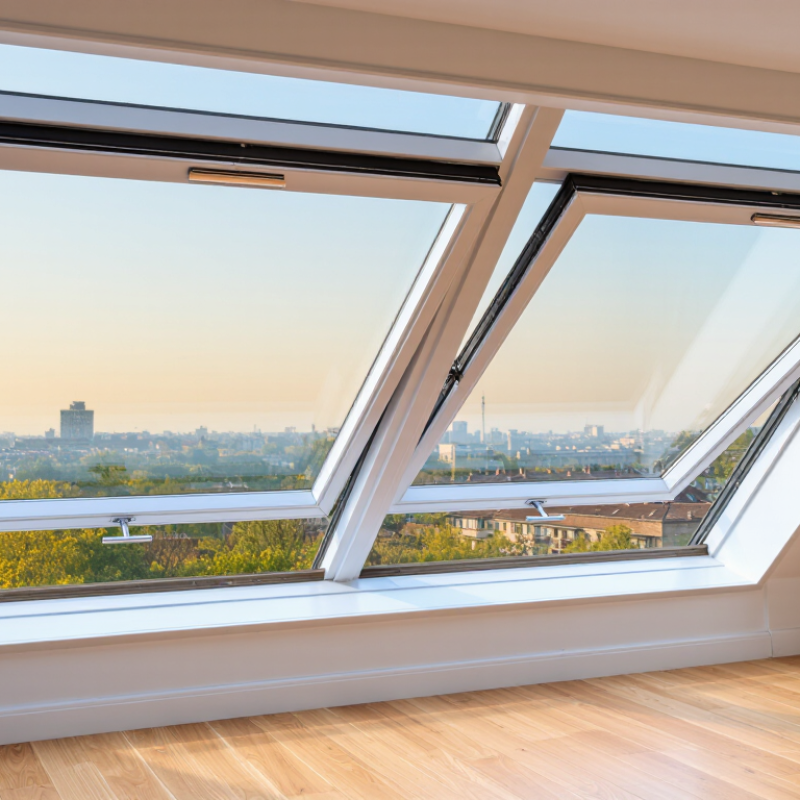
Tilt-turn windows combine two opening actions in one sash. A handle position lets the top edge tilt inward for controlled ventilation. Another position swings the entire sash inward like a door. This design can reduce the need for wide openings during mild weather. Fresh air enters near the ceiling, while rain exposure remains relatively limited. When fully opened, the window also allows easier cleaning from inside. That detail matters.
Energy efficiency depends on more than the opening style. A tightly compressed gasket limits drafts around the sash. Small gaps matter. During a careful installation check, I would inspect frame joints, corner seals, drainage paths, and the connection between window and wall. Low-emissivity glazing can reduce heat transfer, while insulated cavities help stabilize indoor temperatures. However, advanced glass cannot correct poor fitting or an uneven opening. Thermal bridges may still appear around anchors and surrounding masonry. Warm-edge spacers can reduce condensation near the glass perimeter. Frame material also affects performance, especially in cold climates. Tilt-turn hardware may cost more and requires accurate adjustment. It can feel heavy when large sashes are opened. My own assessment would include seasonal use, not only laboratory ratings, because frequent ventilation habits often differ from the original plan.
Key Features That Determine a Window’s Thermal Performance
10 Best Tilt Turn Windows for Energy Efficiency?
Key Features That Determine a Window’s Thermal Performance
Tilt-turn windows can improve comfort, but the hardware alone does not guarantee efficiency. The U.S. Department of Energy estimates that windows account for about 25–30% of residential heating and cooling energy use. A lower whole-window U-factor means better insulation. Look for certified test results, not marketing language. The National Fenestration Rating Council explains that U-factor includes the frame, glass, and spacers. This matters because an excellent pane can perform poorly inside a weak frame.
Glass design deserves close attention. Low-emissivity coatings reduce radiant heat transfer, while double glazing creates an insulating air or gas space. In cold climates, a moderate or higher solar heat gain coefficient can bring useful winter warmth. In hot climates, a lower SHGC can reduce afternoon heat near south- or west-facing glass. The U.S. Department of Energy also identifies air leakage as a major comfort concern. A tight compression seal helps, but installation quality remains critical. I have seen expensive windows underperform because the surrounding opening was poorly sealed. The label is not the whole story.
Tips: Compare U-factor, SHGC, visible transmittance, and air-leakage ratings together. Check the spacer material and frame insulation. Ask for installation details. A small gap around the frame can defeat careful glass selection. Also, do not assume triple glazing always wins; its added weight, cost, and climate suitability require honest evaluation.
How to Compare the 10 Best Tilt-Turn Windows for Energy Savings
Comparing the 10 best tilt-turn windows for energy savings requires more than judging frame material or opening style. The U.S. Department of Energy reports that windows can account for 25% to 30% of residential heating and cooling energy use. Therefore, compare whole-window U-factors, solar heat gain coefficients, air-leakage ratings, and installation details. Lower U-factor usually means better insulation, while SHGC depends on climate, orientation, and shading.
Use NFRC-certified labels rather than sales claims. The label shows tested performance for the complete window, including glass, frame, and spacers. ENERGY STAR guidance also emphasizes climate-specific requirements, so a high-performing window in a cold region may not suit a hot, sunny home. For each of the 10 options, record the same measurements in a simple table. Keep the comparison fair.
Tilt-turn operation adds practical value. The inward tilt can support controlled ventilation, while the turn position may improve cleaning access. However, the hardware alone does not guarantee energy savings. A poorly fitted sash can still leak air around the seal. DOE installation guidance repeatedly stresses air sealing and correct flashing. Small gaps matter. I would also inspect condensation resistance, gasket compression, glass coating, and installer credentials. A neat ranking can still mislead when prices, wall conditions, and window sizes differ. That is the uncomfortable part. A laboratory score is useful, but the installed result deserves equal attention.
10 Best Tilt-Turn Windows for Energy Efficiency? How to Compare the 10 Best Tilt-Turn Windows for Energy Savings
This comparison uses representative anonymous performance profiles within commonly published NFRC-rated ranges. Lower U-factor indicates better insulation, while lower air leakage indicates a tighter window.
U-factor is shown in Btu/h·ft²·°F. Air leakage is shown in cubic feet per minute per square foot at 1.57 psf. When comparing actual products, also check the NFRC label, glazing type, frame material, solar heat gain coefficient, visible transmittance, and installation quality.
Frame, Glass, Hardware, and Installation Factors to Evaluate
When comparing the 10 best tilt turn windows for energy efficiency, inspect the frame before admiring the glass. A thermally broken frame reduces conductive heat loss, especially around the edge of the opening. Multi-chamber profiles can improve insulation, but only when their seals remain flexible. Check the published U-factor, air leakage, and water-resistance results. Numbers matter more than attractive finish.
Glass selection deserves equal attention. Double glazing may suit mild climates, while triple glazing can reduce indoor temperature swings in colder regions. Low-emissivity coatings help control radiant heat, but the solar heat gain coefficient should match local sunlight. Warm-edge spacers limit condensation near the glass perimeter.
Hardware also matters. Strong locking points should pull the sash evenly against the gasket. I have seen excellent glass perform poorly because one corner was not compressing properly.
Tips: Ask for certified performance data, not broad efficiency claims. Test the handle in both opening positions. It should move smoothly, without scraping or forcing. During installation, keep the frame square and level; a few millimeters of distortion can weaken the seal. Use expanding tape or sealant suited to the wall system, and inspect the sill for drainage paths. Recheck the window after seasonal movement. Installation is often the weak link. Even careful estimates can miss site conditions, so leave room for professional inspection.
Selecting the Right Tilt-Turn Window for Your Climate and Building Type
Selecting the best tilt-turn window depends on climate, wall design, and daily use. The U.S. Department of Energy estimates that windows cause 25–30% of residential heating and cooling energy use. A tilt-turn unit can reduce uncontrolled airflow through compression seals, but installation quality remains critical. The National Fenestration Rating Council recommends comparing U-factor and solar heat gain coefficient, not relying on glass descriptions alone.
Climate changes everything. Cold regions usually benefit from a low U-factor, triple glazing, warm-edge spacers, and insulated frames. Hot climates need a lower solar heat gain coefficient, especially on west-facing elevations. Exterior shading can outperform expensive glass upgrades in harsh afternoon sun. Mixed climates require balance, because very low solar gain may increase winter heating demand. Details matter.
Building type changes the decision too. In apartments, inward opening sashes need clearance from furniture, curtains, and balcony screens. In schools or offices, frequent ventilation may justify durable hardware and restrictor controls. Renovation projects should verify rough openings, sill condition, and drainage paths before ordering. New construction allows better integration with continuous insulation and flashing. I would not treat published performance values as guaranteed savings; occupant behavior, air leakage, and shading can alter results. A small installation error can undermine a technically excellent window.
10 Best Tilt-Turn Windows for Energy Efficiency? Selecting the Right Tilt-Turn Window for Your Climate and Building Type
The options below are performance-oriented tilt-turn window configurations rather than brand-specific products. Actual results depend on frame size, glazing, spacer, hardware, installation quality, and verified certification. Lower U-factor generally indicates better insulation, while SHGC should be selected according to climate, orientation, shading, and heating or cooling requirements.
| No. | Recommended Configuration | Typical Frame Material | Suggested Glazing | Indicative U-Factor BTU/h·ft²·°F |
Suggested SHGC | Best Climate | Best Building Type | Energy-Efficiency Strengths | Important Selection Considerations |
|---|---|---|---|---|---|---|---|---|---|
| 1 | Triple-glazed warm-edge tilt-turn | Thermally improved uPVC or insulated composite | Three low-e panes, argon fill, warm-edge spacer | 0.14–0.20 | 0.35–0.50 | Cold and very cold climates | High-performance homes and passive-house-style projects | Very low heat transfer; strong interior surface temperatures; good condensation resistance | Higher weight and cost; verify frame reinforcement, sash dimensions, and certified whole-window performance |
| 2 | Triple-glazed thermally broken aluminum tilt-turn | Thermally broken aluminum | Three low-e panes with argon or krypton fill | 0.18–0.28 | 0.25–0.45 | Cold, mixed-humid, and windy climates | Mid-rise apartments and contemporary custom homes | Durable narrow frames, good air sealing, and strong resistance to weather exposure | Thermal-break quality is critical; unbroken aluminum frames are poor choices for energy efficiency |
| 3 | Double-glazed low-e tilt-turn with insulated frame | uPVC, fiberglass, or insulated composite | Two low-e panes with argon fill and warm-edge spacer | 0.24–0.32 | 0.30–0.55 | Mixed climates | Standard residential renovations and townhouses | Balanced insulation, solar control, weight, and purchase cost | A practical choice where triple glazing is unnecessary; specify low air leakage and quality perimeter gaskets |
| 4 | Low-solar-gain triple-glazed tilt-turn | Insulated composite or thermally improved uPVC | Triple glazing with solar-control low-e coatings | 0.16–0.23 | 0.20–0.35 | Hot-humid and hot-dry climates | Air-conditioned homes and offices with large glazed areas | Reduces unwanted solar heat gain while maintaining strong insulating performance | Low SHGC can reduce useful winter sun; use carefully on south-facing elevations in heating climates |
| 5 | High-SHGC double-glazed tilt-turn | uPVC, fiberglass, or insulated wood-composite | Clear or moderate-solar-gain low-e glazing with argon fill | 0.25–0.34 | 0.45–0.60 | Cold climates with useful winter sunlight | Passive-solar homes and well-oriented residential buildings | Allows beneficial winter solar gains while providing substantially better insulation than single glazing | Requires exterior shading or careful orientation to limit summer overheating |
| 6 | Fiberglass-frame tilt-turn with double glazing | Fiberglass or pultruded composite | Dual-pane low-e insulating glass with argon fill | 0.23–0.31 | 0.30–0.50 | Mixed-humid, marine, and cold climates | Long-life residential construction and exposed elevations | Low frame expansion and contraction; durable frame; good dimensional stability | Confirm the operating hardware is rated for sash size and that the installation includes a continuous air seal |
| 7 | Wood-interior, exterior-clad tilt-turn | Wood interior with aluminum or composite exterior cladding | Double or triple low-e insulating glass | 0.20–0.32 | 0.30–0.55 | Cold, mixed, and marine climates | Character homes, premium renovations, and architect-designed residences | Good frame insulation with a warm interior finish; exterior cladding improves weather protection | Exterior drainage, coating maintenance, and moisture management must be specified correctly |
| 8 | Narrow-frame tilt-turn with high-performance glazing | Thermally broken aluminum or reinforced composite | Double or triple low-e glazing selected for the orientation | 0.20–0.30 | 0.25–0.50 | Mixed climates and urban locations | Modern apartments, compact homes, and daylight-focused designs | Greater glass area can improve daylight and views while maintaining a relatively slim appearance | A smaller frame does not automatically mean better efficiency; compare whole-window U-factor and air leakage |
| 9 | Acoustic tilt-turn with insulating glazing | Insulated uPVC, composite, or thermally broken aluminum | Asymmetric double glazing or laminated insulating glass | 0.24–0.36 | 0.25–0.50 | Urban, transportation-adjacent, and windy sites | City apartments, offices, and buildings near traffic corridors | Combines improved sound reduction with air sealing and insulating glass performance | Acoustic glass may increase sash weight; verify hinges, hardware capacity, ventilation needs, and tested sound ratings |
| 10 | Hurricane- or high-wind-rated tilt-turn | Reinforced uPVC, fiberglass, or thermally broken aluminum | Laminated insulating glass with low-e coating where available | 0.25–0.38 | 0.25–0.50 | Coastal, storm-prone, and high-wind climates | Coastal homes, multifamily buildings, and exposed commercial projects | Enhanced sash retention, impact resistance, weather resistance, and controlled air leakage | Confirm local impact, wind-load, water-infiltration, and pressure-cycle requirements; energy performance can vary by reinforcement level |
Performance note: The U-factor ranges are indicative whole-window targets commonly used for comparing efficient insulating windows, not guaranteed product ratings. Request independently certified values for the exact size and configuration. In the United States, compare NFRC-rated U-factor, SHGC, visible transmittance, and air leakage; in other regions, use the applicable local testing and energy-code system. Always coordinate glazing selection with building orientation, exterior shading, HVAC design, and local climate conditions.
Related Posts
-
Why Choose the Best Doors and Windows for Your Home?
-
How to Choose Euro Doors and Windows?
-
How to Choose UPVC Modern Windows for Your Home?
-
How to Choose the Best Doors and Windows for Your Home?
-
Best Front Doors and Windows for Home Buyers in 2026?
-

How to Properly Maintain and Operate Tilt Windows in 2025: A Complete Guide