Blog.

Blog2024-04-08T12:48:33+02:00

What Are the Top 2026 Types of Front Doors With Windows?

Choosing among the top 2026 types of front doors with windows now involves more than appearance. Homeowners are comparing daylight, privacy, insulation, security, and maintenance. A clear glass panel can brighten a narrow hallway. However, it may also expose evening activity from the street.

The U.S. Department of Energy estimates that windows can account for 25–30% of residential heating and cooling energy use. Doors with glazing deserve similar attention, especially around the frame, sill, and weatherstripping. ENERGY STAR and the National Fenestration Rating Council recommend checking U-factor, solar heat gain coefficient, visible transmittance, and air-leakage information. These figures make comparisons more reliable than showroom lighting. The 2024 Houzz & Home Study also reflects continued homeowner investment in exterior upgrades, although design preferences vary sharply by region and budget.

Building scientist Joseph Lstiburek offers a practical warning: “If you don’t control water, you don’t control the building.” That principle matters for sidelites, transoms, decorative glass, and full-view entry doors. Poor flashing can leave a beautiful door with a swollen sill after one wet season. No single style wins everywhere.

This guide examines fiberglass, steel, wood, frosted, textured, and smart-glass options for 2026. It considers climate, orientation, privacy, and installation quality. Some recommendations remain imperfect, because manufacturer ratings do not fully predict workmanship. A carefully installed mid-range door may outperform an expensive model fitted carelessly. Expect trade-offs, not magic.
What Are the Top 2026 Types of Front Doors With Windows?

How Front Doors With Windows Are Classified in 2026

In 2026, front doors with windows are classified by their construction, glass design, opening method, and performance. The first category concerns materials: solid wood, insulated steel, fiberglass, and mixed-material doors. Each behaves differently. Wood offers a warm, natural texture, but it needs careful sealing in wet climates. Steel provides strong resistance, although damaged coatings may require prompt repair. Fiberglass often imitates wood grain with less seasonal movement.

Glazing
Glazing creates another practical classification. Doors may contain a narrow vertical lite, a half-glass panel, or a full-height glass section. Glass can be clear, frosted, textured, tinted, or decorative. Low-emissivity glazing helps reduce heat transfer, while laminated glass holds together after impact. However, more glass does not automatically mean better daylight or security. Frame strength, installation quality, and locking hardware also matter. That detail is often overlooked.

The opening system adds a third layer. Hinged entry doors remain common, while pivot doors create a wider visual opening. Double doors suit broad entrances but need accurate alignment. Some units include sidelites or a transom, expanding the window area without changing the main door. Experienced installers also classify these doors by energy performance, weather sealing, accessibility, and privacy control. A site facing strong afternoon sun may need shaded or textured glass. A busy street may demand better sound reduction. The categories overlap, and no single label explains every door. That is the part worth reconsidering.

Popular 2026 Front Door Styles With Windows

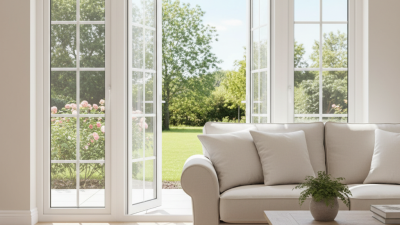
In 2026, popular front door styles with windows balance daylight, privacy, and energy performance. Homeowners are choosing full-view doors for bright entryways and stronger visual connections with gardens. Low-emissivity glass can reduce unwanted heat transfer during seasonal temperature changes. However, large glass panels may expose more of the hallway than expected.

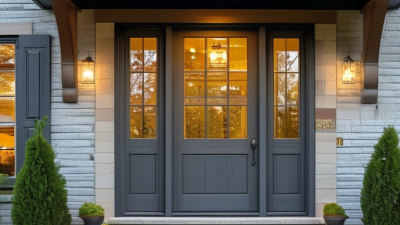
Craftsman doors remain popular because their small upper windows feel warm and practical. Rectangular panes, dark hardware, and textured wood create a familiar, welcoming entrance. Privacy glass works well beside busy sidewalks. It softens visibility without making the doorway feel closed. Keep curtains simple. Too many layers can hide the door’s best feature.

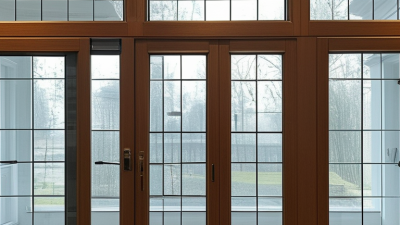
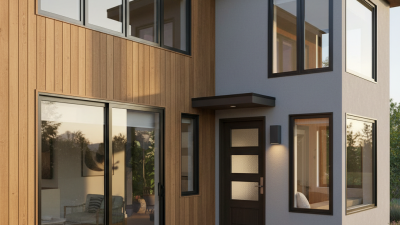
Modern pivot doors with narrow vertical windows suit clean, architectural homes. Slim sidelights can make a compact entrance appear wider, while a transom window brings daylight from above. From installation experience, alignment matters greatly; uneven gaps quickly weaken an otherwise refined design. Laminated or tempered glass may improve safety, but the correct choice depends on the door system and local requirements. I have also seen attractive glass doors become uncomfortable in direct afternoon sun. Exterior shading can help, though it may change the planned appearance. A qualified installer should check weather sealing, drainage, frame strength, and the door’s energy rating before fitting.

Window Glass Options for Front Door Design and Privacy

Front doors with windows are becoming more flexible in 2026. Full-lite doors provide strong daylight and a clean, modern appearance. Half-lite doors offer a better balance between brightness and privacy. Doors with narrow vertical glass suit compact entrances, while sidelights and transoms make wider openings feel more welcoming.

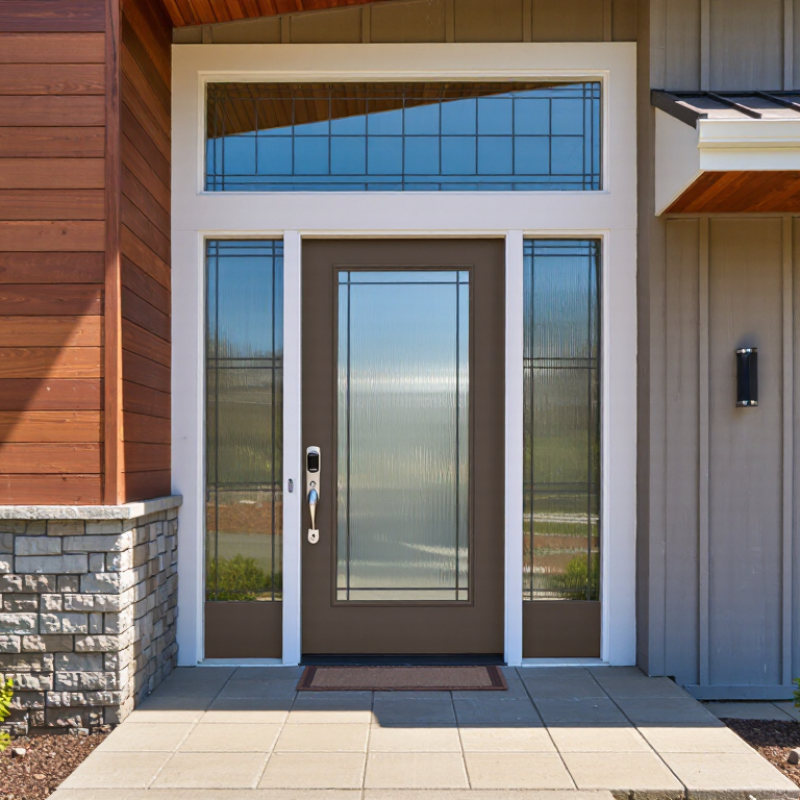
Window glass affects comfort as much as appearance. Frosted or acid-etched glass softens views without blocking daylight. Reeded glass adds texture and makes faces difficult to recognize from outside. Tinted glass can reduce glare, but its privacy changes after sunset. At night, indoor lights may turn reflective glass into a clear display. Laminated glass improves impact resistance and helps hold fragments together if breakage occurs. Low-emissivity glass may also reduce heat transfer, especially when the entrance receives strong afternoon sun.

Tips: Stand outside your door at daytime and nighttime before choosing the glass. Check what can be seen from the sidewalk, not only from inside. A small sample can mislead because full-size panels reflect more light. Keep door hardware, seals, and drainage in mind; beautiful glass cannot correct poor installation. I have found that privacy is often judged too quickly. Textured glass feels private, yet moving shadows may still be visible. For busy homes, combine partial glazing with a curtain or adjustable screen. Reconsider the design after observing seasonal light.

What Are the Top 2026 Types of Front Doors With Windows? - Window Glass Options for Front Door Design and Privacy

Front Door Type Common Window Glass Option Privacy Level Natural Light Security Considerations Best Design Use Typical Maintenance
Full-View Glass Front Door Clear, low-emissivity, or laminated insulated glass Low unless paired with blinds, curtains, or privacy film Excellent Use tempered or laminated safety glass and a multipoint lock; visibility from outside can be a concern Modern homes, entryways that need maximum daylight, and sheltered porches Frequent glass cleaning; inspect seals and hardware periodically
Half-Glass Front Door Double-pane clear, frosted, or textured glass Medium to high, depending on glass texture Very good A solid lower panel improves impact resistance and reduces direct visibility Traditional, transitional, and family entryways Clean glass and check glazing putty, gaskets, or sealant for wear
Narrow Vertical Sidelite Door Obscured, rain-textured, acid-etched, or frosted insulated glass High Good to very good A narrow glazed area limits viewing; laminated glass can help resist forced impact Narrow halls, compact façades, and contemporary entrances Clean vertical glass and keep perimeter seals free from moisture buildup
Door With Full-Height Sidelites Textured, frosted, or low-emissivity insulated glass Medium to high with obscured glass Excellent Use safety-rated glazing and secure, fixed sidelites; avoid clear glass where privacy is important Wide entrances, formal façades, and homes needing balanced daylight More glass surface means more cleaning; inspect multiple frame joints
Transom Window Door Clear, frosted, or decorative insulated glass above the door High at eye level; variable above the door Good Keeps most glazing above direct sightlines; use fixed safety glass and secure framing Classic, craftsman, cottage, and historically inspired designs Requires occasional high-level cleaning and seal inspection
Small Decorative Lite Door Leaded-look, patterned, beveled, or privacy glass Medium to high Moderate Small glazing areas reduce visibility; verify that decorative glass is safety-rated Traditional, cottage, and character-focused entrances Clean textured surfaces carefully; replacement can be more specialized
Steel Door With Insulated Glass Double-pane low-emissivity glass or laminated glass Medium to high with privacy glazing Good Strong door construction; protect exposed steel from scratches, rust, and water intrusion Security-focused, industrial, and modern designs Check paint, weatherstripping, hinges, and glass seals at least annually
Fiberglass Door With Glass Insert Low-emissivity, frosted, textured, or decorative insulated glass Medium to high Good to excellent Resists moisture and warping; choose certified safety glass and properly fitted hardware Low-maintenance homes and energy-conscious renovations Usually low maintenance; clean glass and renew weather seals as needed
Wood Door With Glass Panels Insulated textured, stained glass-style, or laminated glass Medium to high with patterned glass Moderate to very good Wood needs protection from moisture; use reinforced panels, safety glazing, and quality locks Warm, natural, craftsman, and custom architectural styles Regularly inspect finish, bottom rail, joints, weatherstripping, and glass seals
Pivot Door With Glazing Large laminated, tempered, low-emissivity, or frosted insulated glass Low to high, depending on glazing position and opacity Excellent Requires correctly engineered pivot hardware, heavy-duty safety glass, and careful weather sealing Large contemporary entrances and statement façades Clean large glass areas and service pivot hardware according to installation requirements

Note: Privacy ratings depend on glass opacity, lighting conditions, window size, and the use of curtains or blinds. For front-door glazing, safety-rated tempered or laminated glass is generally preferred, and local building requirements should be checked before installation.

Materials, Security Features, and Energy Efficiency

What Are the Top 2026 Types of Front Doors With Windows?

Materials, Security Features, and Energy Efficiency

In 2026, full-lite and half-lite doors remain popular because they bring daylight into dark entryways. Fiberglass frames resist moisture, dents, and seasonal movement. Steel doors offer strong impact resistance, but exposed edges can eventually rust. Wood doors provide natural warmth, although they need careful sealing and regular inspection. Composite frames are practical for homes facing heavy rain or sharp temperature changes.

Security should not depend on glass alone. Choose laminated glass, which tends to hold together after cracking. Narrow sidelights reduce exposed glass near the lock area. A reinforced frame, a multipoint lock, and long anchoring screws can improve resistance to forced entry. Privacy glass also limits views into the hallway. A door viewer remains useful, even with electronic monitoring.

Energy performance needs equal attention. Low-emissivity double glazing is a sensible baseline, while triple glazing suits colder climates. Look for insulated cores, thermal breaks, and continuous weatherstripping around the frame. A poor installation can waste the benefits of expensive glass. That detail is often missed. I would also check the door’s U-factor and air-leakage rating before choosing a style. A beautiful full-glass door may still feel cold beside an uninsulated wall. My own preference can change after seeing the entrance in winter. Door orientation, shade, and local weather should influence the final decision.

What Are the Top 2026 Types of Front Doors With Windows?

Materials, security features, and energy-efficiency benchmarks

Lower U-factor values indicate better insulation. Fiberglass and insulated steel doors generally provide strong thermal performance, while wood offers natural insulation and repairability. Thermally broken aluminum is durable and slim but typically requires high-performance glazing and insulation to achieve comparable efficiency. For security, prioritize multi-point locks, reinforced strike plates, laminated or tempered glass, and a door assembly tested as a complete unit. Values shown are representative industry benchmarks for insulated door systems with energy-efficient glazing; actual performance varies by design, climate, frame, and installation.

How to Choose the Right Front Door With Windows

Choosing the right front door with windows starts with your entryway, not a catalog. Popular 2026 options include full-lite doors, half-lite doors, sidelites, and transoms. Measure the opening, wall depth, swing clearance, and nearby steps before comparing styles. Measure twice.

A full-lite door brings generous daylight, while a half-lite design offers more privacy and wall space. Sidelites widen a narrow entrance, but they also increase glass exposure and installation cost. A transom can brighten a shaded porch without making the door feel oversized.

Glass selection deserves equal attention. Clear glass suits a private yard, while frosted or textured glass softens views from the street. For bedrooms or close sidewalks, choose glazing that obscures faces and indoor movement.

Confirm the door’s energy rating, weather seals, and frame material with a qualified installer. In cold or hot regions, low-emissivity glazing can reduce heat transfer, but performance depends on installation. Ask for documented specifications, not only attractive sample photos.

Security should guide the design. Laminated or reinforced glass may suit entrances facing public walkways. Check that the locks, hinges, and frame work as one system. A beautiful panel is not enough.

I once focused too much on appearance and overlooked afternoon glare; the room became uncomfortable. That mistake changed my process. Now I view samples outside, in morning and evening light, before deciding. Then I compare maintenance needs, privacy, climate, and budget in writing. Some doors look perfect indoors. They may feel wrong from the curb.