What Are the Best Residential Windows in 2026?
Choosing the best residential windows in 2026 means balancing energy performance, comfort, durability, and price. A striking frame matters, but so does what happens on a cold, windy evening. Look at the glass, frame material, seals, hardware, and installation—not just the advertised efficiency rating. Small details count.
This guide compares common options, including vinyl, fiberglass, wood, and composite frames, alongside double- and triple-pane glass. It explains how climate, room orientation, and exposure to noise can change the right choice. A sunny south-facing room may need different glass from a shaded bedroom. In the United States, the NFRC label offers standardized information about measures such as U-factor and solar heat gain coefficient. Those figures help with comparisons, but they cannot predict every home’s comfort or energy bill.
Installation deserves equal attention. Even a high-performing window can disappoint if gaps let air or water through. Ask contractors how they handle flashing, sealing, and disposal, and check that product warranties clearly distinguish glass, frame, and labor coverage. Local building requirements and available rebates may also affect the final cost, so confirm current details before ordering. There is no single winner. The practical choice depends on your home, budget, and maintenance preferences—and those trade-offs are easy to underestimate. An imperfect but carefully measured decision may serve you better than buying the most expensive model.
How Residential Windows Work and What Defines Quality in 2026
Residential windows do more than admit daylight. They manage heat, air, moisture, and sound through glass, spacers, frames, seals, and hardware. In winter, warm indoor air can cool near the glass; in summer, sunlight may add unwanted heat. Low-emissivity coatings limit radiant heat transfer, while insulated glass units trap air or gas between panes. Frames matter too. Weak seals can undermine efficient glazing. No single specification makes a window best for every home.
In 2026, judge quality against local climate, room orientation, and installation conditions. Compare whole-window U-factor, which indicates heat loss, and solar heat-gain coefficient, which measures incoming solar heat. Lower values are not automatically better in every room. Check air-leakage ratings, condensation resistance, hardware durability, and warranty details. A north-facing bedroom may need different glazing from a sunny living room. Even well-rated glass can perform poorly if the opening is uneven or flashing directs rain behind the frame. It is easy to focus too much on glass alone.
Tips: Ask for whole-window ratings, not center-of-glass figures. Inspect seals and operating locks. Confirm who handles flashing and interior air sealing before ordering. Ratings help, but they cannot predict every home’s comfort.
Which Frame Materials and Window Styles Are Available?
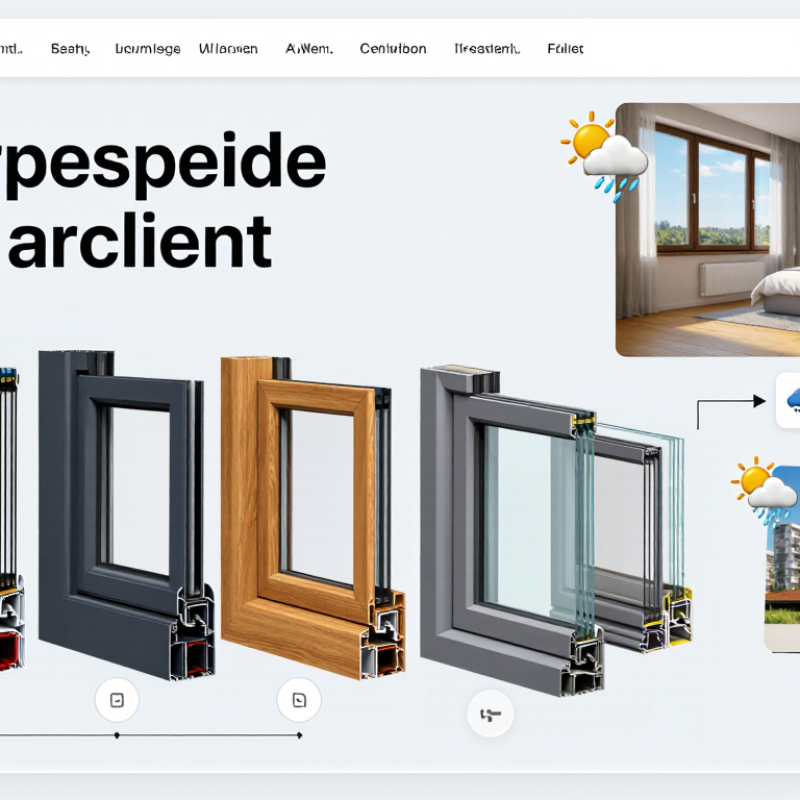
Residential windows come in several frame materials, each with practical trade-offs. Vinyl frames need little upkeep and resist moisture, but dark colors can absorb heat. Fiberglass is stable through temperature swings and can hold a crisp finish. It often costs more. Wood offers warmth and can be repainted, though exposed edges need regular care. Aluminum frames look slim and modern, but may transfer heat unless they include a thermal break. Composite frames combine materials; their performance varies by construction, so check the specifications rather than relying on the label.
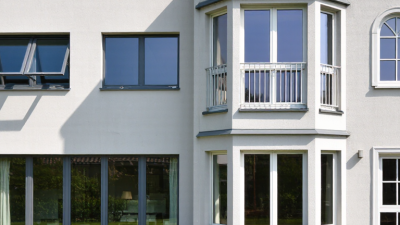
Window style affects ventilation, cleaning, and the view. Double-hung windows open at the top or bottom and suit many traditional rooms. Casement windows crank outward, catching breezes well, but nearby shrubs can get in the way. Sliding windows are simple to operate and need room along the sill. Awning windows hinge at the top, allowing some ventilation during light rain. Picture windows do not open, yet they bring in broad, uninterrupted daylight. Bay windows add space and a deeper sill, but require careful support and installation. Small details matter. A beautiful frame can still feel wrong if the sash is hard to reach or clean. I’d measure the opening and consider the room’s daily use before choosing.
What Are the Best Residential Windows in 2026? - Which Frame Materials and Window Styles Are Available?
The best residential window depends on climate, budget, maintenance preferences, energy-efficiency goals, and the needs of each room. Compare common frame materials and window styles below.
Common Residential Window Frame Materials
| Frame Material | Typical Strengths | Maintenance | Thermal Performance | Relative Cost | Best Suited To |
|---|---|---|---|---|---|
| Vinyl (uPVC) | Resists moisture and does not need painting; widely available in many configurations. | Low; occasional cleaning is generally sufficient. | Generally good because the material conducts less heat than standard aluminum; performance also depends on frame design and glazing. | Often among the more budget-friendly options. | Homeowners seeking low maintenance and a practical balance of cost and insulation. |
| Fiberglass | Dimensionally stable and resistant to swelling, shrinking, and warping under changing temperatures. | Low; painted finishes may require upkeep over time. | Generally good; insulated frame designs can further limit heat transfer. | Typically mid-range to high, depending on construction and finish. | Projects prioritizing stability, durability, and energy performance. |
| Wood | Natural appearance; can be painted or stained and can suit traditional architectural styles. | Higher; exposed surfaces may need periodic painting, staining, or sealing. | Wood is a natural insulator, though whole-window performance depends on the complete assembly. | Often mid-range to high, with variation by wood species and construction. | Homes where interior appearance, finish flexibility, or traditional character is important. |
| Aluminum | Strong and relatively lightweight, allowing slim frame profiles and larger glass areas. | Low to moderate; finish and hardware should be kept clean and inspected. | Metal conducts heat readily; thermally broken frames reduce, but do not eliminate, heat transfer. | Varies widely; high-performance thermally broken systems can cost more. | Contemporary designs, large openings, and locations where frame strength is a priority. |
| Wood with an exterior cladding | Wood interior paired with a protective exterior layer, commonly aluminum or vinyl. | Usually lower exterior upkeep than exposed wood; interior wood may still need care. | Depends on the wood frame, cladding design, glazing, and installation. | Typically higher than basic vinyl options. | Homeowners who want a wood interior and added exterior weather protection. |
| Composite | Made from combined materials; properties vary by formulation and frame design. | Generally low, but finish and care requirements differ by product. | Varies; check the tested whole-window rating rather than assuming performance from the material name. | Varies from mid-range to high. | Projects comparing material-specific benefits such as stability, finish options, or reduced upkeep. |
Common Residential Window Styles
| Window Style | How It Opens | Ventilation | Practical Considerations | Common Uses |
|---|---|---|---|---|
| Single-hung | The lower sash moves vertically; the upper sash is fixed. | Moderate; opening area is usually limited to the lower sash. | Simple operating design; cleaning the outside of upper glass can be difficult from indoors. | Bedrooms, living areas, and traditional home designs. |
| Double-hung | Both upper and lower sashes move vertically; many models tilt inward for cleaning. | Flexible; air can enter or leave through either opening. | Check the sash operation and cleaning features when choosing a model. | Traditional homes and rooms where flexible airflow is useful. |
| Casement | Hinged at the side and opened outward with a crank or handle. | High when open; the sash can catch breezes. | Requires exterior clearance and should be positioned away from walkways or obstructions. | Kitchens, bedrooms, and locations where an unobstructed view is desired. |
| Awning | Hinged at the top and opens outward from the bottom. | Moderate; can allow ventilation while offering some protection from light rain. | Not a substitute for weather protection in severe wind or heavy rain; outward clearance is needed. | Bathrooms, basements, and use above or below other windows. |
| Horizontal sliding | One or more sashes slide horizontally along a track. | Moderate; typically only part of the frame opens. | Does not project outward; tracks need periodic cleaning for smooth operation. | Wide openings, patios, and areas with limited exterior clearance. |
| Fixed (picture) | Does not open. | None through the window itself. | Can provide a broad, unobstructed glass area; pair with operable windows when ventilation is needed. | Views, daylight, and locations where ventilation is not required. |
| Bay or bow | A projecting assembly made from multiple window units; some side units may open. | Depends on which units in the assembly are operable. | Projects beyond the wall; requires suitable structural support and careful installation. | Living areas where added daylight, a wider view, or an interior nook is desired. |
Selection note: These are general comparisons, not guarantees for every product. Whole-window energy ratings, glass type, air leakage, installation quality, local climate, and applicable building requirements all affect real-world performance. Confirm specific ratings and operating details before purchase.
How Glass, Energy Ratings, and Climate Affect Window Performance
Residential windows perform best when their glass and ratings match the home’s climate. Double-pane glass suits many homes, while triple-pane units can reduce heat loss in colder regions. Low-emissivity coatings help limit unwanted heat transfer; the right coating depends on whether a home needs more winter warmth or less summer heat. Gas between panes can improve insulation, but seals and installation matter too. A poor fit can undermine good glass.
Read ratings as a pair, not in isolation. U-factor indicates how readily heat escapes; a lower number generally means better insulation. Solar heat gain coefficient, or SHGC, describes how much solar heat enters. In cold, sunny areas, some solar gain may be useful. In hot climates, a lower SHGC can help reduce cooling demand. Check ratings for the specific window configuration, since glass, frame, and size affect performance. Small print matters.
Climate is only part of the decision. A drafty frame, shaded window, or strong afternoon sun can change what works in a particular room. Compare tested ratings, then consider orientation and local weather patterns. I’d be cautious about choosing the “highest” rating across the board; a very insulating window may not be the best fit everywhere. And ratings cannot fix careless installation. The details are imperfect, but they’re worth checking.
How to Compare Residential Windows by Cost, Durability, and Maintenance
What Are the Best Residential Windows in 2026?
Price is only the entry point. Compare installed quotes, not glass-only prices, and include frame, flashing, labor, and disposal. Then estimate maintenance and energy costs over the window’s expected service life. The U.S. Department of Energy’s Energy Saver guidance says windows account for about 25–30% of residential heating and cooling energy use. That figure describes national energy use, not guaranteed savings from replacement. Still, it shows why poor seals and outdated glazing deserve attention.
Use the National Fenestration Rating Council label to compare U-factor and solar heat gain coefficient across products. Lower U-factor generally means less heat transfer; the right solar gain depends on climate, orientation, and shading. A low price can lose its appeal if the unit performs poorly in a sunny west-facing room. Check the details.
Frame materials change the maintenance equation. Vinyl usually needs little surface upkeep; wood may need periodic paint or sealing, especially where rain hits. Fiberglass resists expansion and contraction, while metal frames need thermal breaks to reduce heat transfer. None is maintenance-free. Before choosing, inspect warranties, drainage paths, corner joints, and installer workmanship. I would be cautious about treating any single rating as a complete answer: installation quality and local exposure can matter as much as the product label.
What Are the Best Residential Windows in 2026?
Compare common window-frame materials by typical installed cost, expected service life, and maintenance needs. No single material is best for every home: climate, installation quality, glazing, and upkeep all affect performance.
| Frame material | Typical service-life estimate | Maintenance considerations |
|---|---|---|
| Vinyl | About 20–40 years | Generally low maintenance; clean periodically and inspect seals and hardware. |
| Wood | About 15–30 years | Requires regular inspection and repainting or refinishing to help protect against moisture and decay. |
| Fiberglass | About 30–50 years | Generally low maintenance; clean periodically and check seals and hardware. |
| Aluminum | About 20–30 years | Low routine upkeep, but inspect finishes, seals, and hardware; thermal performance depends on frame design. |
Cost ranges are approximate U.S. installed prices per replacement window, in USD, and vary with window size, style, glazing, location, and labor. Service-life figures are planning estimates, not guarantees. Compare whole-window energy performance and installation quality as well as upfront cost.
How to Choose Windows for a Home’s Needs and Local Building Codes
The best residential windows in 2026 are the ones that fit your home’s climate, rooms, and local requirements. A west-facing bedroom may need glass that limits afternoon heat, while a shaded north room may benefit from more daylight. Open and close sample windows if possible; a heavy sash can be difficult for some household members to operate. Small details matter.
Check local building codes before ordering. Requirements can differ by city, climate zone, and building type. Ask your local building department or a qualified professional about energy ratings, wind-load standards, and permits. Bedroom escape openings may need to meet minimum size and access rules. Safety glazing may be required near doors, stairs, or tubs, depending on local code.
Match the frame and glass to maintenance needs, too. Wood can suit a home’s appearance but may need regular sealing; other materials have different upkeep and performance trade-offs. Measure the existing opening carefully, and confirm whether installation changes affect permits or inspection. Codes vary. It is easy to focus on a quoted price and overlook air sealing around the frame. Yet poor installation can lead to drafts, condensation, or water damage, even when the window itself meets its specifications.
Related Posts
-
Top 10 Types of Residential Windows for Global Buyers
-

What Is the Best Glass for Large Glass Windows?
-
Best Front Doors with Windows to Enhance Your Home Appeal?
-
7 Tips for Choosing the Best York Windows
-
How to Choose the Best Doors and Windows in 2026?
-
Why Choose Okna Windows for Your Home Improvement Needs?