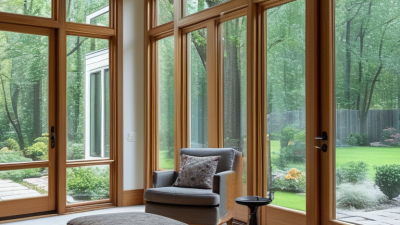
What Are the Best Ready Made Windows in 2026?
What are the best ready made windows in 2026? The answer depends on your home, climate, budget, and the size of each opening. A well-chosen window should fit properly, operate smoothly, and suit the room’s needs. A low price alone is not enough.
Ready made windows can offer a practical route when standard sizes match your openings. Compare frame materials, glazing options, energy ratings, security features, and warranty terms before choosing. Check the manufacturer’s specifications, since performance can vary between models and regions. Measure each opening carefully, and confirm whether the stated dimensions describe the frame or the rough opening. Small differences matter. A sash that sticks or a visible gap around the frame can undermine comfort and performance.
Installation matters too. Even a quality product may perform poorly if it is fitted incorrectly, so check the installer’s experience and ask what the quote includes. Look for clear product documentation and support, rather than relying only on broad claims such as “energy efficient.” Local climate and building requirements may affect the right choice. This guide compares common window types and practical features to help narrow the options. There may not be one best window for every home. That is worth remembering.

What Ready-Made Windows Are and How They Differ from Custom Units
Ready-made windows are factory-produced in common dimensions and configurations, rather than built for a home’s exact opening. They are often stocked or made on a shorter schedule, which can help when replacing a standard-sized unit. The trade-off is fit. A small gap may require careful shimming, flashing, and insulation; a large mismatch could mean reframing or choosing another size.
Measure twice.
Nominal dimensions may differ from the actual frame, so check the manufacturer’s specifications before ordering.
Custom windows can be sized for unusual openings, architectural details, or specific performance goals, such as a particular glass package. They may preserve a sloped sill or match an uncommon shape, but often require more measuring, lead time, and expense. Ready-made options may suit straightforward openings, though glazing, frame materials, and colors can be limited.
I would not assume “standard” means simple.
An old opening may be out of square, and a stock unit cannot correct it by itself. Compare the rough opening, frame depth, drainage details, and installation method—not just the listed width and height.
Which Window Styles and Materials Are Available in 2026?
In 2026, ready-made windows commonly come in double-hung, casement, sliding, awning, and fixed styles. Double-hung sashes suit traditional rooms and tilt inward for cleaning. Casement windows open outward, helping catch breezes over a kitchen sink. Sliding units work well where an outward-opening sash would hit a walkway. Fixed windows bring daylight but do not ventilate. Small rooms matter. Measure the opening carefully; standard sizes vary by supplier, and an “almost fits” window can mean extra installation work.
Common frame materials include vinyl, wood, aluminum, fiberglass, and composite. Vinyl is low-maintenance, while wood offers a warm interior finish but needs periodic care. Aluminum is slim and sturdy, though its thermal performance depends on the frame design. Fiberglass and composite frames can offer dimensional stability, but costs and availability vary. The U.S. Department of Energy estimates that heat gain and loss through windows account for about 25–30% of residential heating and cooling energy use. That makes frame quality and glazing more than cosmetic choices. Compare NFRC-rated U-factor and solar heat gain coefficient (SHGC) labels for the local climate, rather than choosing by appearance alone.
Tips: Check the rough opening, wall depth, and operation clearance before ordering. Ask for the NFRC label and confirm whether the quoted size is frame or glass size. A low price can look convincing. Installation details still matter, and ready-made may not suit an unusual opening.
What Are the Best Ready Made Windows in 2026? - Which Window Styles and Materials Are Available in 2026?
There is no single best window for every home. The right choice depends on the opening, ventilation needs, climate, maintenance preferences, budget, and local building requirements. These window styles and frame materials are commonly available as ready-made options, although selection and standard sizes vary by market.
Common Ready-Made Window Styles
| Window style | How it opens | Typical advantages | Things to consider | Often suitable for |
|---|---|---|---|---|
| Single-hung | Lower sash slides vertically; upper sash is fixed. | Simple design with a compact exterior profile. | Only one sash opens, so ventilation is more limited than with a double-hung window. | Bedrooms and living areas where a straightforward, space-saving option is wanted. |
| Double-hung | Both upper and lower sashes slide vertically; many models tilt inward for cleaning. | Flexible ventilation and, on tilt-in models, access to both sides of the glass from indoors. | Moving parts and sash tracks need to be kept in good condition. | Traditional homes and rooms where vertical sliding windows are preferred. |
| Casement | Hinged at the side and opened outward with a crank or handle. | Opens widely and can direct breezes into a room; the sash presses against the frame when closed. | Needs exterior clearance to open and may not suit locations exposed to obstructions. | Rooms where strong ventilation or an unobstructed view is a priority. |
| Awning | Hinged at the top and opens outward from the bottom. | Can provide ventilation while helping shield the opening from light rain, depending on conditions. | Projects outward and may need to be closed during severe weather. | Bathrooms, kitchens, and high wall openings. |
| Horizontal slider | One sash slides sideways past another sash. | Does not project inward or outward, making it useful where clearance is limited. | Usually only part of the window opening can be open at one time; tracks need cleaning. | Wide openings, patios, and areas near walkways or furnishings. |
| Fixed (picture) | Does not open. | Provides daylight and an unobstructed view; has no opening hardware. | Does not provide ventilation and can be harder to clean from the outside. | View-focused spaces or use alongside opening windows. |
| Hopper | Hinged at the bottom and opens inward from the top. | Compact opening style that can work in smaller spaces. | Projects into the room when open and may be less convenient above counters or fixtures. | Basements and small utility or bathroom openings. |
| Bay or bow | A projecting assembly made from multiple window units; the units may be fixed or operable. | Extends the view outward and can add usable interior space at the window. | Needs adequate structural support and space; installation is more involved than for a single window. | Exterior walls where a projecting feature and wider view are desired. |
| Tilt-and-turn | Typically tilts inward at the top for ventilation or swings inward from the side for a wider opening. | Offers two opening modes and allows access to the exterior glass from indoors. | Hardware and operation differ from common sliding or hung styles; verify local availability. | Homes where flexible ventilation and inward access are useful. |
Common Ready-Made Window Frame Materials
| Frame material | Typical characteristics | Maintenance considerations | Useful checks when comparing options |
|---|---|---|---|
| uPVC (vinyl) | Commonly chosen for low routine maintenance and resistance to moisture. Frame construction and insulating performance vary by product. | Usually needs cleaning rather than painting; inspect seals and hardware over time. | Check frame reinforcement, glazing specification, drainage, warranty terms, and suitability for local conditions. |
| Wood | Offers a natural appearance and can be painted or stained. Performance depends on the wood, construction, finish, and glazing. | Exterior finishes may need periodic inspection and upkeep, especially in exposed or damp locations. | Ask about the wood species, protective finish, maintenance guidance, and whether the exterior is clad. |
| Aluminum | Allows relatively slim frame profiles and is commonly used for modern designs. Thermal performance depends on frame design and whether a thermal break is included. | Generally requires little finish maintenance; inspect coatings, drainage, and hardware. | Compare thermal-break design, glazing, finish, corrosion suitability, and local energy-rating information. |
| Fiberglass or glass-fiber composite | Designed for dimensional stability and can be offered in different finishes. Availability and specifications vary by market. | Often needs limited routine maintenance; follow the supplier's guidance for cleaning and finish care. | Check the frame construction, finish options, glazing performance, repair guidance, and availability of replacement parts. |
| Composite or clad wood | Combines materials, often with a wood interior and a protective exterior layer. The exact construction differs between products. | Interior and exterior care requirements may differ; inspect joints, cladding, and finish over time. | Confirm which materials are used on each face, how the assembly is sealed, and what maintenance the finish requires. |
Before buying: Measure the existing opening carefully and confirm whether the product is intended for replacement or new construction. Check the unit dimensions, glazing and energy ratings relevant to your region, safety-glazing requirements, installation method, and local building codes. Ready-made sizes, styles, and material options vary by supplier and location.
How to Compare Ready-Made Windows for Quality, Efficiency, and Price
What Are the Best Ready Made Windows in 2026?
Compare the label before comparing the price. The U.S. Department of Energy’s Energy Saver guidance estimates that heat gain and loss through windows accounts for 25–30% of residential heating and cooling energy use. Check each unit’s National Fenestration Rating Council label for U-factor and solar heat gain coefficient. Lower U-factor generally means less heat transfer; the right solar gain depends on your climate and window direction. Small gaps matter. Ask whether the listed performance applies to the exact size and glazing you plan to buy.
Price needs context. ENERGY STAR reports that replacing single-pane windows with certified models can save an average of 12% on household energy bills; actual savings vary with climate, home, and installation. Compare complete quotes, including delivery, removal, flashing, trim, and labor—not just the shelf price. Look closely at frame joints, glazing seals, drainage paths, and warranty exclusions. A slightly imperfect finish may be acceptable; a poor fit is not. Measure each opening in several places, since older walls are rarely perfectly square. Then compare expected service life and repair options against the upfront cost.
Which Ready-Made Window Brands and Models Stand Out in 2026?
Ready-made windows stand out in 2026 when their format suits the opening, climate, and daily routine. For many standard rooms, vinyl double-hung units are practical. Both sashes can tilt inward for cleaning. Check sash locks, drainage slots, and frame depth before ordering. Small details matter.
Fiberglass casement models can suit windy exposures because the crank-operated sash presses against a compression seal. That advantage depends on accurate installation, not just frame material. Composite sliders work well in wider openings, though debris can make their tracks feel rough. That is easy to overlook.
For a fixed view, stock picture windows often provide more glass for the cost, but no ventilation. Wood-clad options offer a warmer interior finish; inspect exterior coating requirements and warranty terms. These are formats, not universal winners. Compare air-leakage and water-resistance ratings where available, and verify the unit’s full size—not just the rough opening.
Bring a tape measure. Check width and height at several points; older openings are rarely perfectly square. I might be giving ratings too much weight here: installation quality matters just as much. Stocked sizes can limit choices for unusual walls, and trimming is no substitute for proper sizing. Ask an experienced installer to check flashing, sill support, and climate suitability before purchase.
How to Measure, Select, and Install the Right Ready-Made Window
What Are the Best Ready Made Windows in 2026?
Choosing a ready-made window starts with the opening, not the catalog.
For an existing-frame replacement, measure width at the top, middle, and bottom; measure height at both sides and center. Record the smallest measurements, then confirm the supplier’s sizing method before ordering. New-construction windows may be sized differently. Do not guess. A second measurement can feel fussy, but it’s cheaper than forcing a frame.
Selection affects comfort as well as fit. U.S. Department of Energy guidance estimates that heat gain and loss through windows account for 25–30% of residential heating and cooling energy use.
Compare the NFRC label’s U-factor and solar heat gain coefficient (SHGC) for your climate and room exposure. A lower U-factor generally means less heat transfer; SHGC describes how much solar heat enters.
Numbers matter.
A sunny south-facing room may need a different balance than a shaded north wall.
Before installation, inspect the opening for rot, moisture, and corners that are out of square. Follow the window manufacturer’s instructions and applicable local requirements for flashing, shimming, fastening, and sealing.
Keep drainage paths open; sealant alone is not a water-management plan.
NFRC ratings describe product performance, not installation quality. A slightly uneven opening can undermine a good rating, and that detail is easy to miss.
Related Posts
-
2026 How to Choose the Best Doors and Windows for Your Home?
-
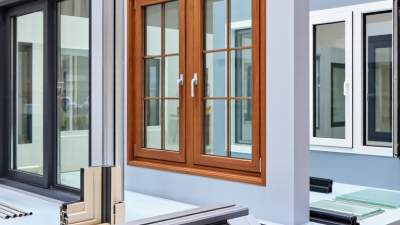
What Are China Top 10 Window Suppliers to Order From?
-
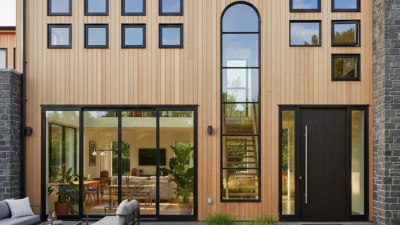
Why Choosing the Right Doors and Windows Matters for Your Home
-
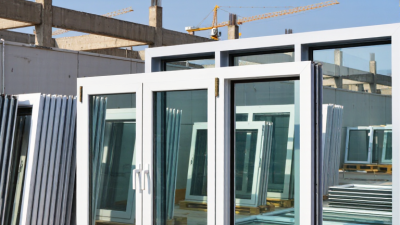
Why Choose Ready Made Windows for Your Global Project?
-
2026 Best Manufactured Windows for Global Buyers
-
2026 Best Manufactured Windows for Global Buyers?